Why is Zero Party Data is essential for e-commerce retailers?
The rise of zero-party data in eCommerce is driven by Customers' increasing concern about data privacy and the abuse of personal information. There is no sign of this anxiety easing. A recent privacy and consumer trust report from the IAPP found that 68% of consumers globally are either somewhat or very concerned about their privacy. This growing unease means brands must now connect with customers in innovative ways and move beyond transactional communication. The gradual depreciation of cookies also means brands will increasingly need to rely on zero and first-party data to provide personalized experiences.
In this blog, we will consider the difference between zero and first-party data; how eCommerce retailers collect zero-party data effectively, and why zero-party data is so essential to modern retailers.
4-minute read
Zero-Party and First-Party Data - Defined
Zero-party data and first-party data are both valuable for eCommerce businesses but are collected in different ways and have distinct characteristics:
Zero-Party Data:
- Definition: Zero-party data is data that a customer intentionally and proactively shares with a company. This could include preferences, purchase intentions, product feedback, personal context, and even how they wish to be recognized by the brand.
- Purpose: Customers provide this data to enhance their experience and provide feedback, ensuring that the services and offerings they receive are more aligned with their desires and needs.
- Examples: Preferences shared through surveys, feedback forms, quizzes, chatbots, and direct interactions where customers specify their likes, dislikes, and other personal details.
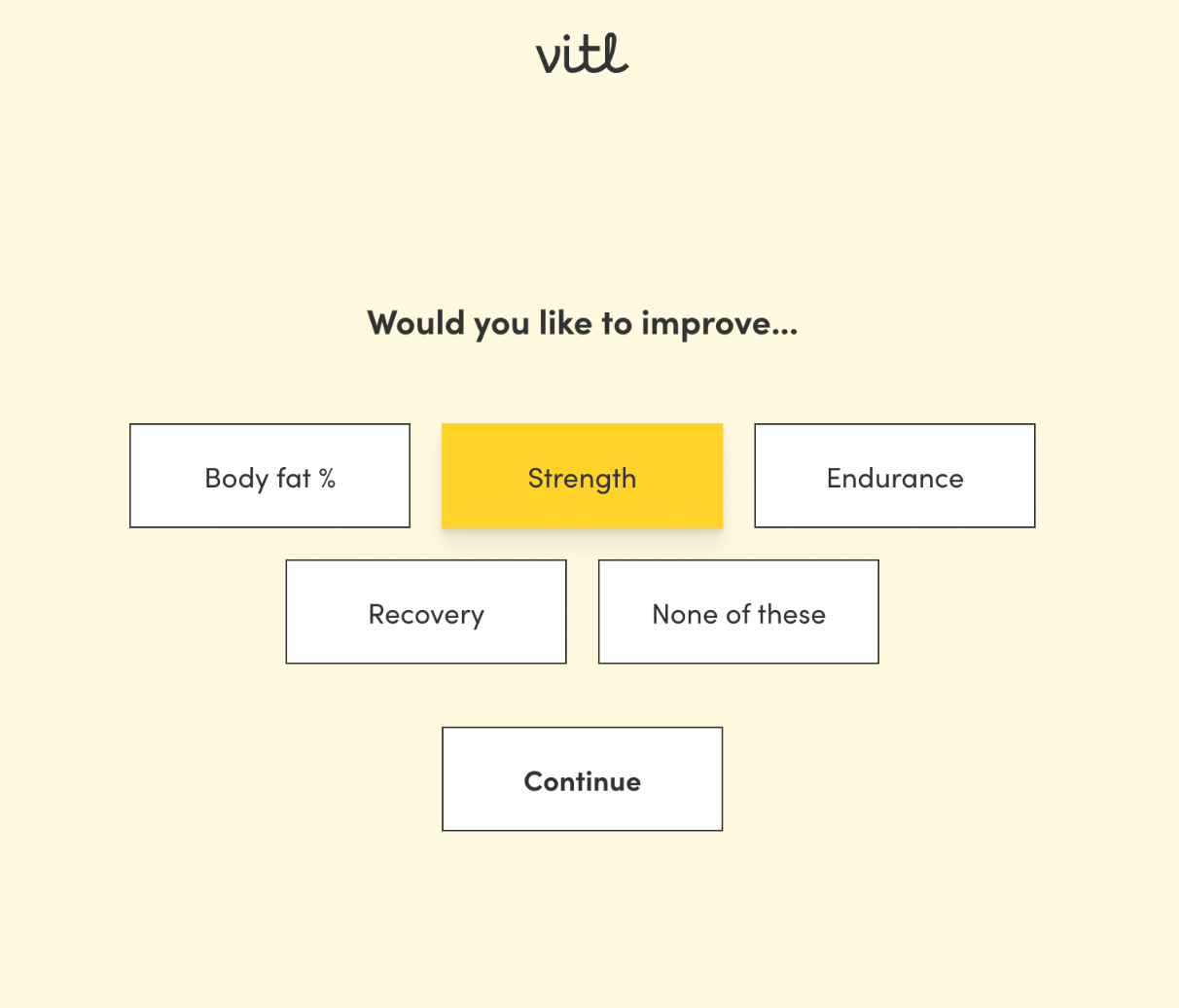 Zero-party data example captured from an online health quiz
First-Party Data:
- Definition: First-party data is collected directly from customer interactions with a business. This data is gathered through the customers' activities and behaviors while engaging with the brand’s website, app, or other digital properties.
- Purpose: It is used to observe and analyze behavior to improve business operations, marketing strategies, and customer experiences based on the actions customers take.
- Examples: Data from website analytics (such as page views, and clicks), transaction histories, and data from CRM systems.
Key Differences:
- Intentionality: Zero-party data is provided intentionally by customers for specific purposes, whereas first-party data is derived from customer behaviors and interactions.
- Control: Customers have more control over what information they share as zero-party data, whereas first-party data is collected automatically as customers interact with a business.
- Trust: Zero-party data often carries higher levels of trust and relevance because customers provide it knowing exactly how it will be used.
In summary, zero-party data is deliberately shared by customers to improve their direct interactions with a brand, while first-party data is collected by observing those interactions. Both types of data are crucial for businesses looking to enhance customer experiences and tailor their offerings effectively.
How can Retailers effectively collect Zero-Party data?
Retailers can effectively collect zero-party data by implementing strategies that encourage customers to willingly share their information. Here are some effective methods to do so:
- Customer Surveys and Feedback Forms: Deploy surveys or feedback forms at various customer interaction points, like after a purchase or service experience. Ask specific questions that gather insights into customer preferences, needs, and experiences.
- Preference Centers: Offer a preference center on your website where customers can manage how they want to interact with your brand. This can include communication preferences, interests, and product preferences.
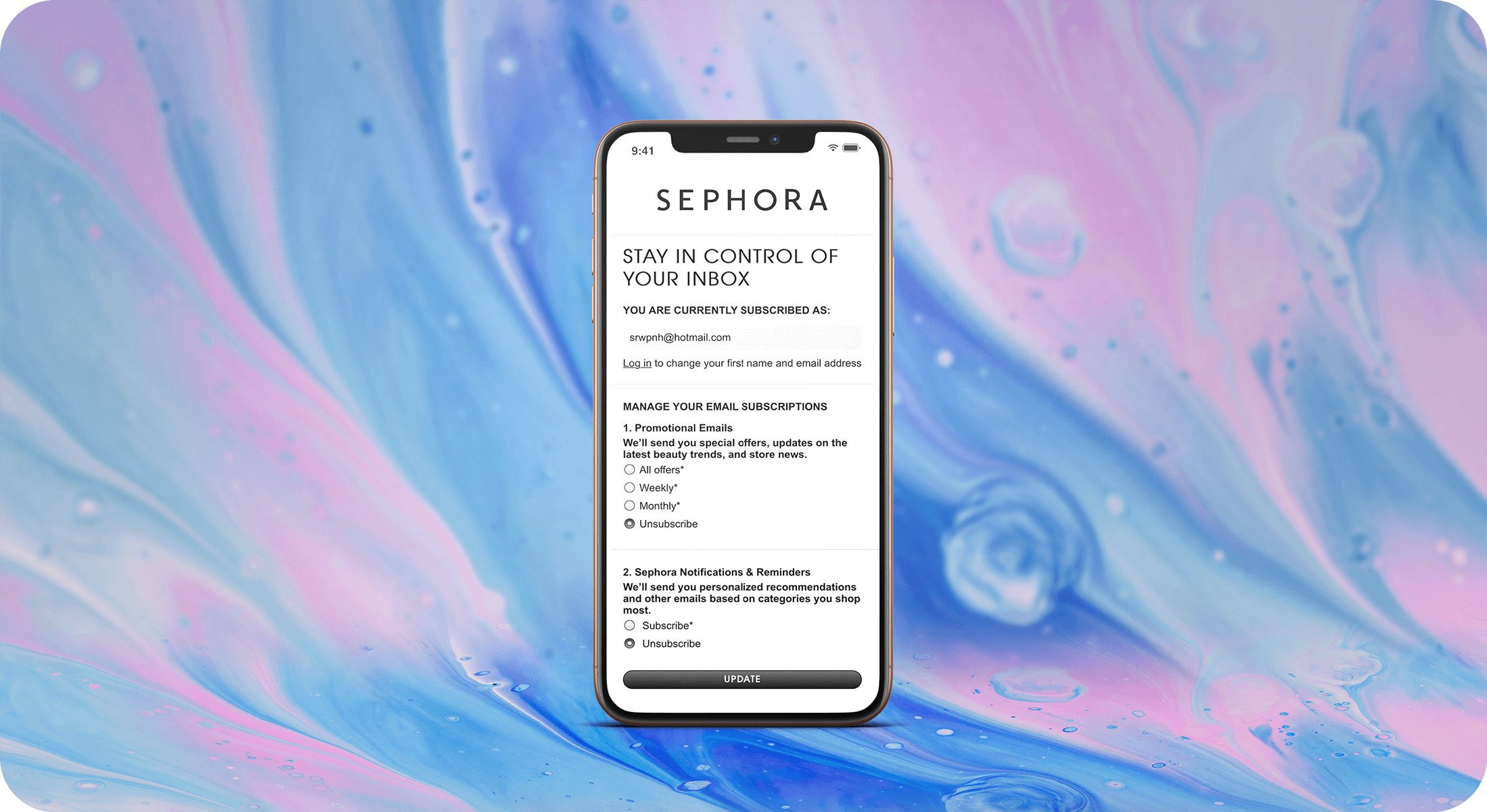 Sephora Preference Center
- Interactive Quizzes: Create fun and engaging quizzes that help customers choose products or services that best fit their needs. These can be about product preferences, lifestyle, or other aspects that help tailor your offerings.
- Profile Updates and Account Creation: Encourage customers to create a profile and update it regularly with their preferences, sizes, and other relevant details. This can be particularly useful in industries like fashion or health and wellness, where personalized recommendations are key.
- Direct Communication Channels: Utilize chatbots, email or customer service interactions to ask for direct feedback or preferences. Ensure that these channels are convenient and user-friendly to encourage participation.
- Incentives for Sharing Data: Offer incentives such as discounts, gift cards, loyalty points, or early access to new products in exchange for customers sharing their data. This not only rewards the customer but also emphasizes the value exchange in providing their information.
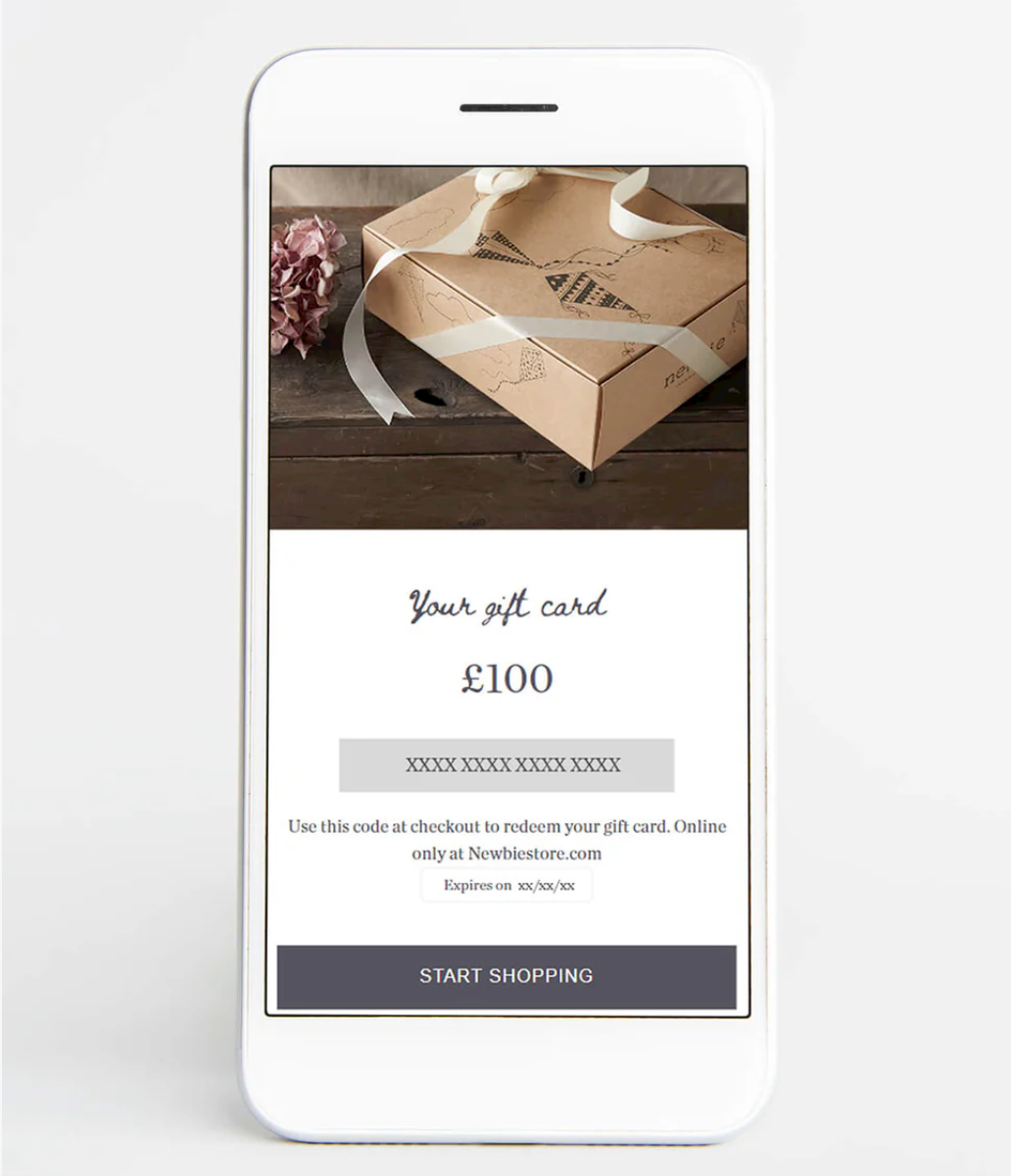 Online Gift Card Example
- Social Media Engagement: Use social media platforms to engage with customers through polls, questions, or direct messages to gather insights. This can be a less formal and highly interactive way to collect zero-party data.
- Event Registrations and Webinars: During registrations for live shopping events or webinars, ask participants to share details about their interests and preferences related to your products or industry.
- Product Registrations and Warranties: When customers register a product for warranty or additional services, use this opportunity to ask for their preferences and feedback.
- Subscription Sign-ups: When customers sign up for newsletters or other subscriptions, ask them to customize their content preferences. This helps tailor the information they receive, making it more relevant and engaging.
By employing these strategies, retailers can collect zero-party data effectively, providing valuable insights while building trust and engagement with their customers.
Why is zero-party data so essential to modern retailers?
Zero-party data is particularly valuable for businesses, especially in the e-commerce sector, for several compelling reasons:
- Enhanced Personalization: Zero-party data allows businesses to tailor their products, services, and marketing efforts more precisely to individual customer preferences and needs. This can lead to more effective personalization, as the data includes explicit insights into what customers want.
- Increased Customer Trust and Loyalty: By asking for and respecting how customers want their data to be used, businesses build trust. Customers feel more comfortable sharing their data when they know it’s being used to enhance their own shopping experience, leading to increased loyalty.
- Greater Accuracy and Relevance: Unlike other data types that are inferred or collected indirectly (like through browsing behavior), zero-party data is provided intentionally by customers, ensuring it is both accurate and highly relevant.
- Cost Efficiency in Marketing: Knowing exactly what a customer is interested in reduces the guesswork and waste associated, with broader marketing campaigns. This targeted approach can lead to higher returns on investment (ROI) and lower customer acquisition costs.
- Compliance with Privacy Regulations: Zero-party data is given with consent, helping businesses comply with strict data protection regulations such as GDPR in Europe and CCPA in California. This reduces the risk of penalties and enhances brand reputation.
- Reduced Reliance on Third Parties: As privacy concerns lead to the phasing out of third-party cookies, zero-party data provides a sustainable and compliant source of customer insights that doesn’t rely on external data providers.
- Future-Proofing the Business: Collecting zero-party data helps businesses adapt to a future where customer data privacy is paramount. It ensures they have the necessary insights to remain competitive as market dynamics shift towards greater data privacy.
- Better Planning: With knowledge of the products people are looking for, you can determine how to stock your store accurately and build future options that you are confident customers will love.
Overall, zero-party data is a cornerstone for businesses aiming to engage customers meaningfully while respecting their privacy and preferences. It provides a clear, direct, and compliant path to understanding and serving customers better.
UserLoop integrates a wide variety of surveys and feedback loops into your eCommerce store while providing personal branding options, insightful analytics, and easy-to-access data results. Make the most of the zero-party data opportunity and start building surveys on your website today.
Discover what UserLoop can do for you with a free 14-day trial 🌟. Kick off your first customer survey in just a few minutes and start unlocking valuable insights for your brand and customers!


The agentic growth toolkit for Shopify
Ask your customers anything
UserLoop talks to your customers at scale with surveys and contests that feed one AI-queryable dataset. AI does the setup and the analysis.
- SurveysFind out why customers buy: checkout, email, link & QR.
- ContestsGiveaways that grow your list and social following.
Free plans on both apps · live in minutes