Shopify Discount Code Strategies: Using Surveys to Make Discounts Work Harder
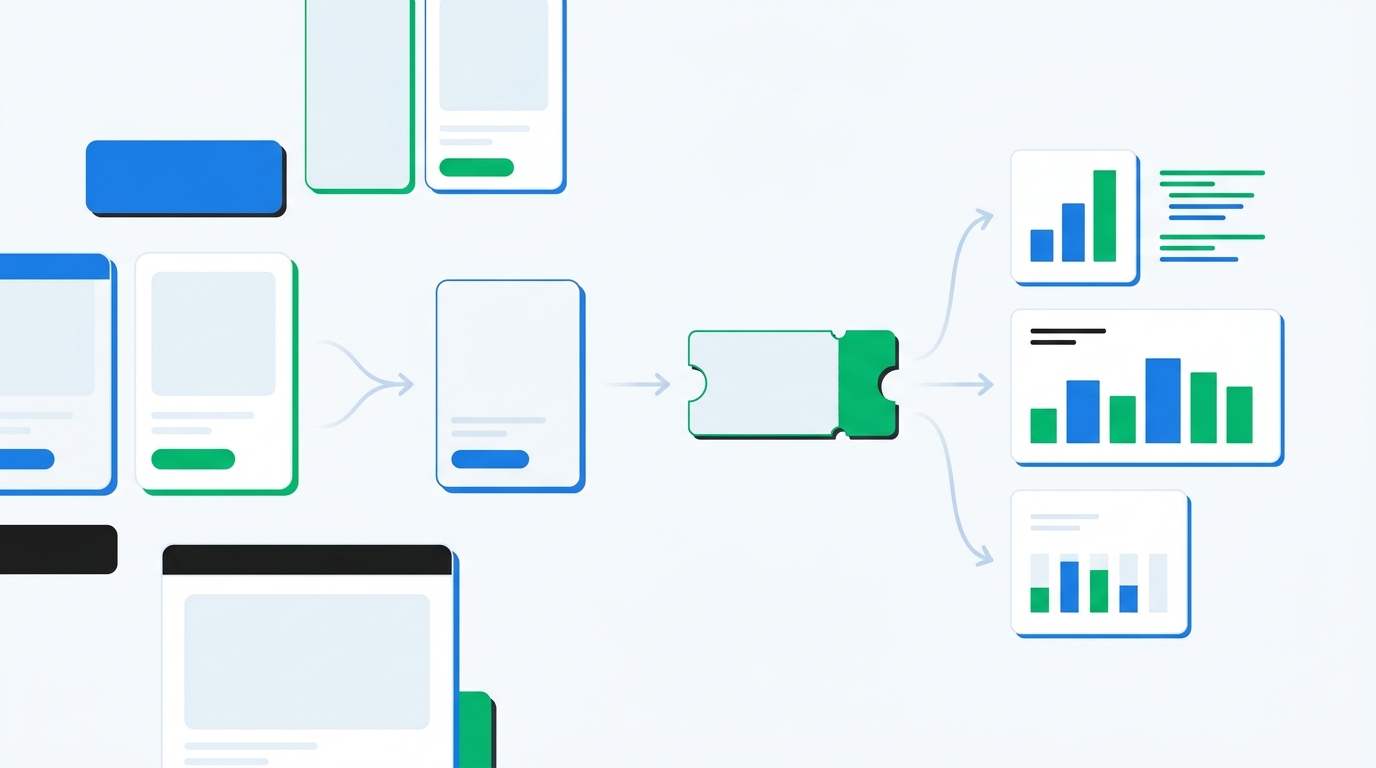
Most Shopify discount strategies are lazy.
A visitor lands on the store. A popup appears. "Get 10% off your first order." The visitor enters an email, receives a code, and maybe buys. The merchant celebrates a list signup and a conversion. Then the same code leaks to coupon sites, full-price buyers learn to wait for discounts, and the brand still knows almost nothing about what made the visitor hesitate.
Discounts can work. The problem is not the discount itself. The problem is giving away margin before you learn anything.
A better Shopify discount code strategy asks one useful question before showing the code. The customer still gets the incentive. You get context: why they came, what they want, what is stopping them, what channel influenced them, or which offer would actually move them.
That is the difference between a discount code as a blunt conversion tool and a discount code as a feedback engine.
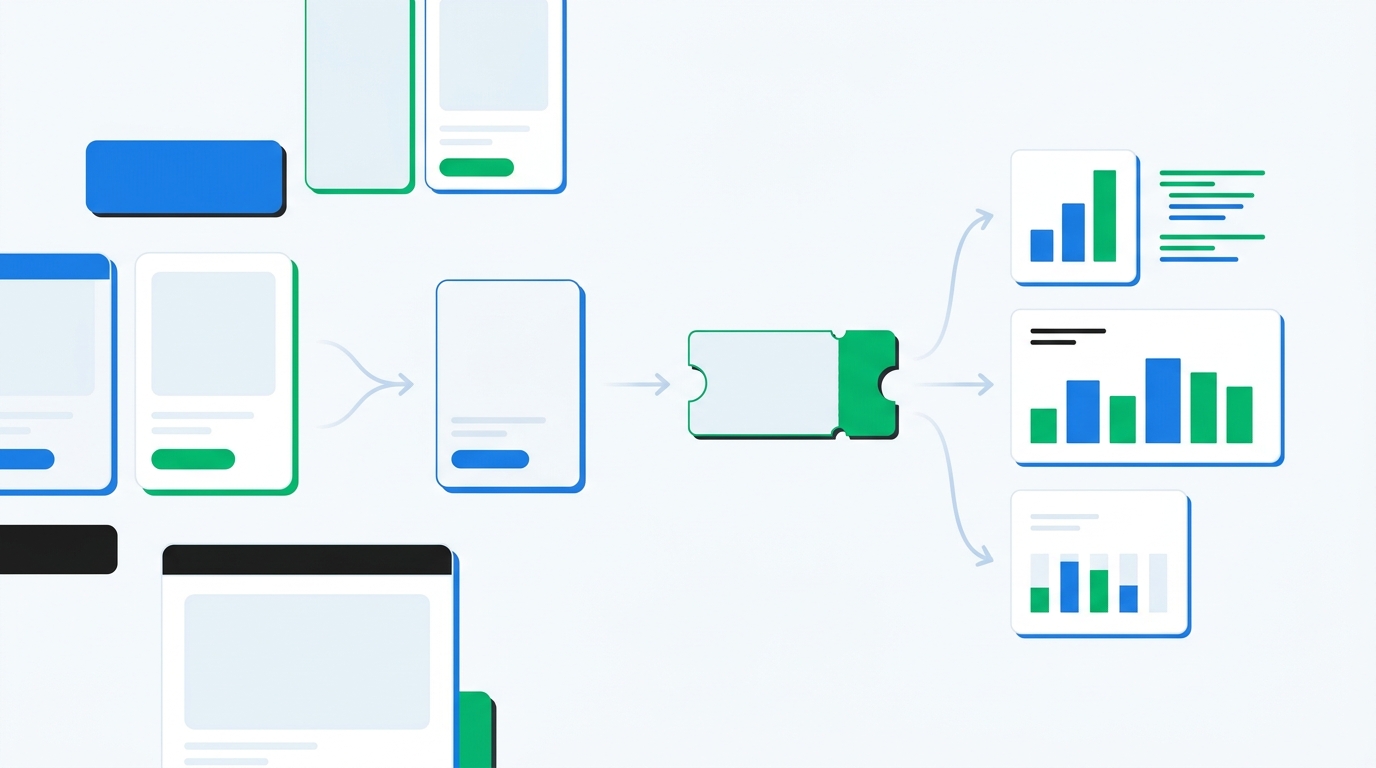
The problem with most Shopify discount codes
Shopify makes it easy to create discount codes. That is good operationally and dangerous strategically.
When discounts are too easy to launch, they become the default answer to every conversion problem:
- Cart abandonment is high? Offer 10% off.
- Email popup conversion is low? Increase to 15%.
- First purchase rate is weak? Add a welcome code.
- Black Friday is coming? Stack another offer.
That can create short-term revenue, but it also trains customers to pause before buying. If every visitor knows a popup is coming, your list grows with discount hunters and your margin takes the hit.
The bigger issue is that standard discount flows collect thin data. An email-for-discount popup usually tells you:
- The visitor's email address
- Whether they redeemed the code
- Which order used the code
That is useful, but incomplete. You still do not know why the customer wanted the product, why they needed a discount, which concern mattered most, or whether the discount changed behavior.
A discount without context is just margin spent in the dark.
What a survey-based discount strategy changes
A survey-based discount adds one step before the reward: a question.
Instead of:
Enter your email for 10% off
Use:
What brought you here today?
Or:
What is most important when choosing this product?
Or:
What is stopping you from checking out?
After the visitor answers, they receive a discount code. With UserLoop popup surveys, that code can be generated automatically inside Shopify and tied to the specific survey response.
That connection is the important part. You are no longer looking at generic code redemptions. You are looking at code redemptions by answer.
For example:
- Visitors who say "shipping cost" redeem at 28% after seeing a free shipping code.
- Visitors who say "not sure about sizing" barely respond to a percentage discount.
- Visitors who say "I saw you on TikTok" have lower AOV than visitors who say "friend recommended you."
- Visitors who say "price" buy only when the minimum purchase threshold is low.
Now the discount teaches you something.
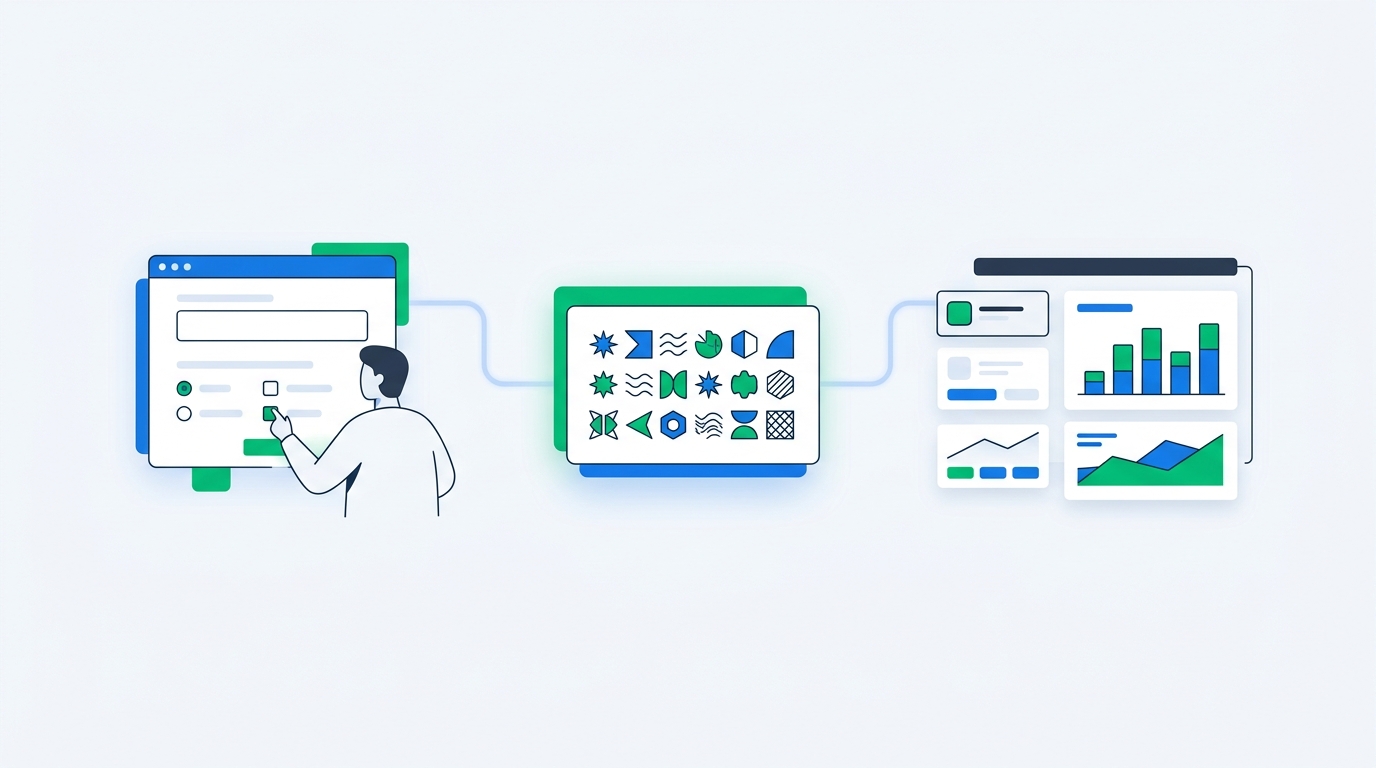
The four jobs of a better discount code strategy
A strong Shopify discount strategy should do more than reduce price. It should help you make a decision.
1. Identify the visitor's purchase barrier
Discounts are usually used to overcome friction, but most stores do not know which friction they are solving.
Price is only one possible barrier. Others include:
- Shipping cost
- Delivery timing
- Sizing uncertainty
- Ingredient or material concerns
- Weak reviews
- Trust concerns
- Product comparison confusion
- Return policy anxiety
- Subscription commitment
If the customer is worried about sizing, 10% off may not help. A size guide, fit quiz, review video, or exchange reassurance may do more than a discount.
Ask this before offering the code:
What is making you hesitate?
Use multiple choice if you want clean reporting. Use open text if you are still learning what the main blockers are. For higher-volume stores, AI survey analysis can group open responses into themes so you are not manually cleaning hundreds of variations of the same concern.
The goal is not only to save the sale. The goal is to find the friction that is costing you sales across the whole store.
2. Match the incentive to the concern
Most stores use one discount for everyone. That is simple, but blunt.
Survey answers let you test more precise incentives:
- If the concern is shipping cost, test free shipping instead of percentage off.
- If the concern is price, test a percentage discount with a minimum order value.
- If the concern is trust, test a guarantee message plus a smaller discount.
- If the concern is product fit, test guidance before offering a code.
- If the concern is delivery timing, test expedited shipping rather than 10% off.
This matters because different incentives have different margin costs. A 15% discount on every first order may be more expensive than a targeted free shipping offer shown only to visitors who mention shipping.
The mistake is assuming the highest discount wins. Sometimes the right reassurance beats a bigger discount.
3. Collect attribution data before the purchase
Discount popups can also ask attribution questions.
The classic version is:
How did you hear about us?
This question is usually associated with post-purchase surveys, and that is still the best place to ask buyers. But asking pre-purchase visitors can show you what is happening higher in the funnel, including people who never buy.
That is valuable because your buyers are only part of the audience. A product page visitor who leaves after saying "saw a creator review" still tells you something about creator-driven traffic. A visitor who says "Reddit" or "friend" may reveal channels your analytics cannot see.
Open text works best for this question because customers do not describe discovery in neat channel names. They write things like:
- "my sister sent it to me"
- "that creator with the morning routine video"
- "podcast ad, I think"
- "saw someone mention it in a Facebook group"
- "searched for alternatives to Brand X"
Manually grouping that data gets annoying fast. UserLoop's AI channel grouping turns messy answers into clean attribution buckets while preserving the raw response. That is the upgrade from collecting anecdotes to comparing channels.
If you want the full setup for this question, read "How Did You Hear About Us?" Survey: Setup Guide & AI Analysis.
4. Connect discount redemptions to revenue
A discount strategy should be judged by contribution, not code usage alone.
Redemption rate matters, but it is not enough. You also need to know:
- Which answers produce the highest AOV
- Which concerns need the biggest incentive
- Which channels redeem discounts but rarely buy again
- Which discount thresholds protect margin
- Which survey answers predict repeat purchase
This is where revenue-aware analytics matter. A response should connect to the order, the discount used, the product purchased, and the order value. Otherwise you are stuck with a spreadsheet of answers in one place and Shopify orders in another.
UserLoop's ecommerce survey tools link survey responses to Shopify order data, so you can analyze feedback with revenue context instead of treating every response as equally valuable.
A channel with fewer responses might matter more if those customers spend more. A concern that appears in only 8% of answers might deserve urgent attention if it shows up on high-value product pages.
Shopify discount code tactics that work better with surveys
You do not need a complicated research program. Start with one tactic tied to one business question.
Exit intent discount survey
Use this when visitors are about to leave a product page, collection page, or cart.
Question:
What stopped you from buying today?
Reward:
A targeted discount or free shipping code after the answer.
What you learn:
The main barriers that stop shoppers near the bottom of the funnel.
This works especially well on cart pages. If the top answer is shipping cost, a discount might recover the order. If the top answer is "I need to compare options," your recovery flow should include comparison content, reviews, and product education.
We covered this tactic in more detail in How to Turn Cart Abandoners Into Customers With One-Question Surveys.
First-visit intent survey with discount reward
Use this on the homepage or high-traffic landing pages after a short delay.
Question:
What are you shopping for today?
Reward:
A first-order discount after the visitor selects an answer.
What you learn:
Visitor intent before they browse deeply.
This helps merchandising and personalization. If many visitors say they are shopping for a product category buried in navigation, you have a merchandising problem. If visitors from one campaign select a different intent than expected, your ad or landing page is misaligned.
Product page concern survey
Use this on product pages where conversion is lower than expected.
Question:
What matters most when choosing this product?
Possible answers:
- Price
- Ingredients or materials
- Reviews
- Shipping speed
- Fit or sizing
- Return policy
Reward:
A discount code after selection, preferably with messaging that matches the answer.
What you learn:
The decision criteria customers use before buying.
This is useful for ad creative too. If reviews are the top concern, collect more video testimonials and feature them on the product page. If materials are the top concern, your ads should lead with material proof rather than lifestyle imagery.
Post-purchase discount follow-up
Not every discount belongs before purchase. Sometimes the smartest discount is a second-purchase incentive after you know more about the customer.
Ask a post-purchase survey:
What convinced you to buy today?
Then use the answer to shape the next offer.
A customer who bought because of a gift need might respond to gift reminders. A customer who bought because of ingredients might respond to education and bundle offers. A customer who bought because of a creator may respond to social proof and community content.
This beats sending the same generic "come back for 15% off" message to every customer.
How to set up survey-triggered discounts in Shopify
The setup is straightforward if your survey tool can generate Shopify discount codes automatically.
Step 1: Pick one decision
Do not launch with five questions. Pick one thing you need to decide.
Good starting decisions:
- Which purchase barrier should we fix first?
- Which visitor intent should we merchandise around?
- Which acquisition channels are we undercounting?
- Which discount type protects margin best?
If you do not know what decision the survey supports, you are probably collecting trivia.
Step 2: Choose the placement
Match placement to the moment.
- Homepage: attribution or shopping intent
- Product page: purchase criteria or product concern
- Cart: checkout blocker
- Exit intent: reason for leaving
- Order confirmation: attribution, purchase motivation, or follow-up segmentation
For a deeper comparison of placements, see App Block Surveys vs Popup Surveys.
Step 3: Keep the question short
The best discount survey is usually one question.
Bad:
Help us personalize your shopping experience by answering a few questions about your preferences, motivations, budget, category interests, and purchase timeline.
Better:
What brought you here today?
Better:
What is making you hesitate?
A customer should understand the question instantly. If they have to parse your internal marketing language, completion drops.
Step 4: Generate unique codes
Static codes are easy to share. Unique codes are cleaner.
A unique code can be limited by customer, expiration date, minimum purchase amount, product collection, or usage count. It also lets you connect the code to the survey response that triggered it.
With UserLoop's popup survey discount flow, the customer answers the survey and receives a unique Shopify discount code. The response, discount, and eventual order can be analyzed together.
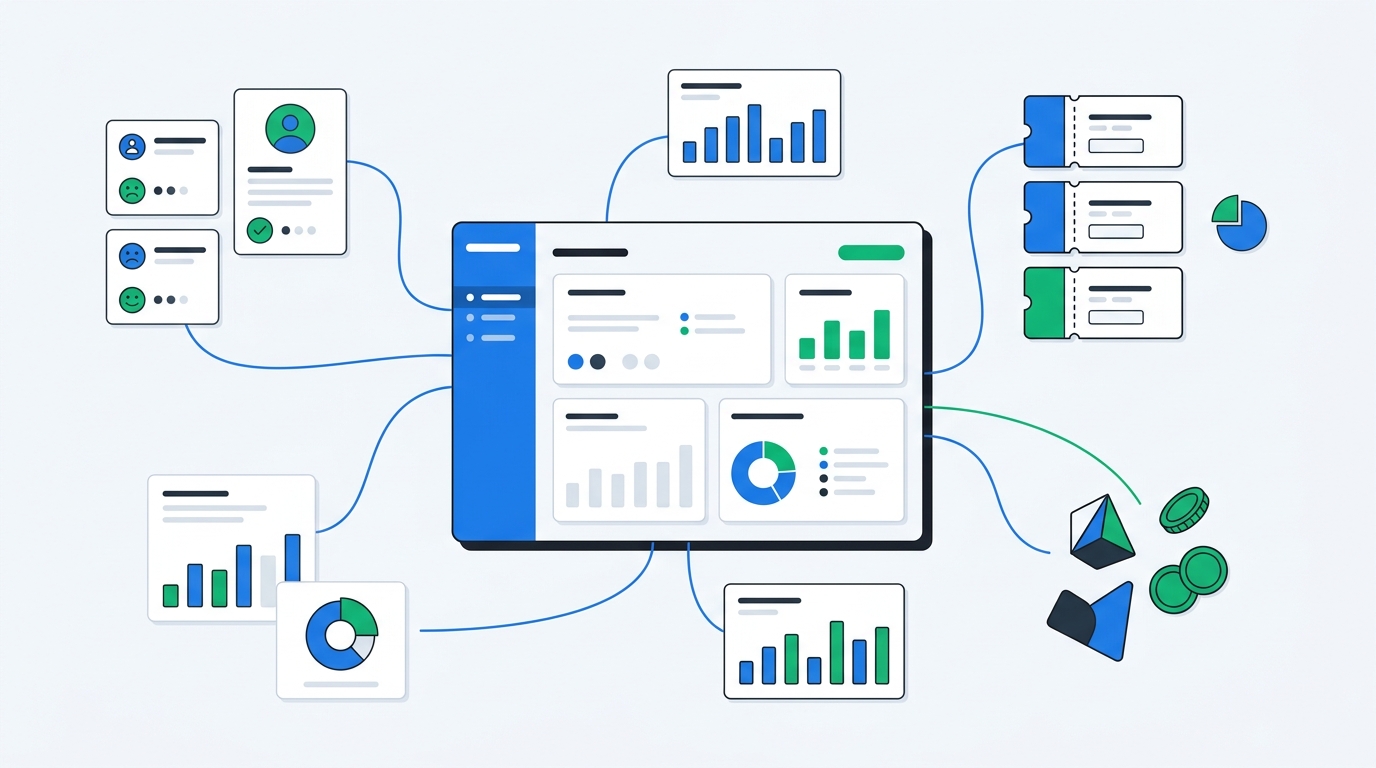
Step 5: Review answer segments, not just totals
Do not stop at "the popup converted at 8%."
Segment the results:
- Completion rate by page type
- Code redemption by answer
- AOV by answer
- Margin impact by discount type
- Conversion by traffic source
- Repeat purchase by answer segment
This is where survey-based discounting gets interesting. You may find that a smaller discount performs just as well for visitors worried about trust, while price-sensitive visitors need a higher threshold to protect margin. You may find that one channel redeems codes heavily but produces low AOV. You may find that visitors who mention a specific product concern convert after you change the product page, reducing the need for discounts at all.
Common mistakes
Giving the discount before the answer
If the code appears immediately, many visitors will take it and ignore the question. Ask first. Reward second.
Asking for too much data
A survey discount is not a customer interview. One good question beats five mediocre ones. Keep it fast, especially on mobile.
Using one code for every situation
A sitewide 10% code is simple, but it does not teach you which incentive actually solved the concern. Test percentage off, fixed amount off, free shipping, bundles, and thresholds against different answer segments.
Treating discount redemptions as success
A redeemed code can still be bad business if it cannibalized a full-price order or attracted low-value customers. Look at AOV, margin, repeat purchase, and customer intent.
Ignoring non-buyers
Post-purchase surveys are excellent, but they only capture buyers. Popup and exit intent surveys capture people who would otherwise disappear. That is where many conversion insights live.
A simple 14-day test plan
Run this test before changing your whole discount strategy.
Days 1 to 2: Pick one high-traffic placement, usually product page exit intent or cart exit intent. Choose one question: "What is making you hesitate?"
Days 3 to 4: Configure a unique discount code reward. Start with a modest offer, such as 10% off or free shipping above a threshold. Set frequency capping so you do not annoy repeat visitors.
Days 5 to 11: Let the survey run. Do not overreact after 20 responses. Watch completion rate, code redemption, AOV, and the answer mix.
Days 12 to 14: Review the results by answer segment. If shipping dominates, test shipping messaging or a shipping threshold. If sizing dominates, improve fit content. If price dominates, test bundles or a thresholded discount rather than raising the percentage for everyone.
Then repeat with a sharper question.
The bottom line
Discounts are not going away. They are too useful for conversion, list growth, and campaign testing.
But a discount should earn its margin cost. If you give every visitor 10% off and learn nothing, you have bought a conversion at the highest possible information cost.
Ask one question first. Tie the answer to a unique code. Connect the response to the order. Review the results by segment.
That is how a Shopify discount code strategy becomes more than a coupon machine.
If you want to run survey-triggered discounts on your store, start with UserLoop's popup survey tools. You can also install UserLoop from the Shopify App Store and launch a one-question survey with automatic Shopify discount codes instead of handing out static coupons and hoping they worked.


The agentic growth toolkit for Shopify
Ask your customers anything
UserLoop talks to your customers at scale with surveys and contests that feed one AI-queryable dataset. AI does the setup and the analysis.
- SurveysFind out why customers buy: checkout, email, link & QR.
- ContestsGiveaways that grow your list and social following.
Free plans on both apps · live in minutes