How to Monitor Voice of Customer (VoC) on Shopify
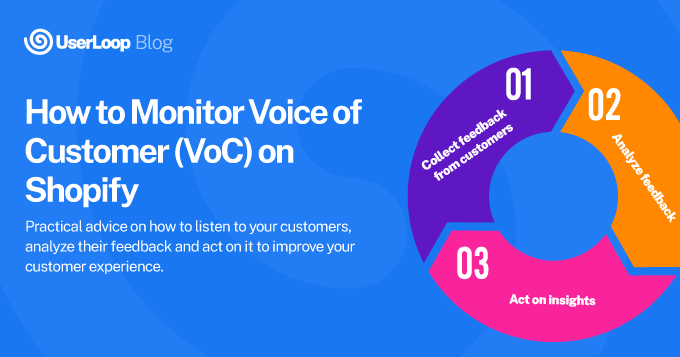
In the ever-evolving world of e-commerce, understanding your customers' needs, experiences, and feedback is more crucial than ever.
It's the cornerstone of improving your products, refining your marketing strategies, and, ultimately, driving your business growth. One powerful way to achieve this is by monitoring the Voice of Customer (VoC).
But what does this mean, and how can you implement it effectively on your Shopify store?
The Voice of Customer is essentially the collection of your customers' feedback and preferences. It is their expressed needs and wants, their pain points, their praise, and their criticism.
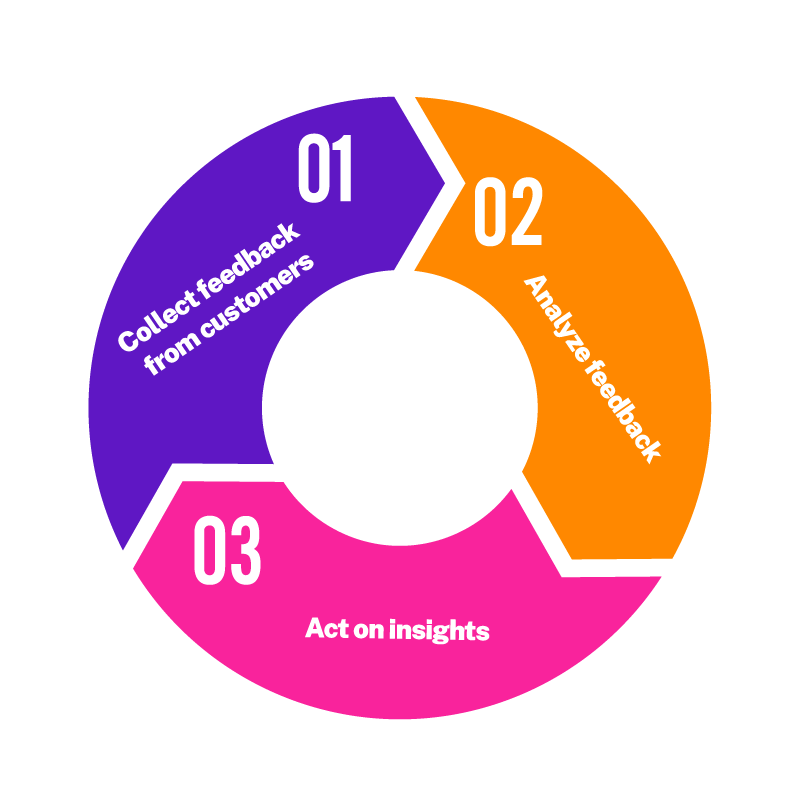
Understanding the VoC can provide powerful insights into improving your business model, your product offerings, and your overall customer experience.
In this post, we'll delve deep into the world of VoC, specifically focusing on Shopify merchants. We'll look at why VoC is vital for your online store, the common challenges merchants face when monitoring VoC, and the best ways to overcome these.
Furthermore, we'll review some of the best VoC monitoring apps available for Shopify, dissecting their features, pros, and cons. And of course, we will introduce you to UserLoop, our recommended solution for the best VoC monitoring on Shopify.
So whether you're a budding entrepreneur or a seasoned Shopify merchant, this guide will give you actionable advice to better understand your customers and grow your business. Let's dive in!
The Challenges of Monitoring VoC on Shopify
Monitoring the Voice of the Customer (VoC) on Shopify can seem like a daunting task, especially for new or small-scale merchants. The challenges can range from knowing where to start, to dealing with data overload, and interpreting the feedback correctly. Here are some of the most common challenges faced:
Identifying Relevant Data Sources
The first hurdle is knowing where to find your customers' voices. Customer feedback can be scattered across various platforms like social media, review sites, customer support emails, and in-person interactions. Finding and collecting this data can be time-consuming and complex.
For example, a small coffee brand selling through Shopify might receive customer feedback on their Instagram posts, direct messages, email replies, and product review sections. Collecting and centralizing this feedback requires a systematic approach and considerable effort.
If you’re building a brand that puts customers at the heart of everything you do, listening to what they’re saying is critical to refining your store's experience. So having the right tools in place is super important to ensuring no customer feedback is ignored.
Data Overload
Once you've gathered customer feedback, the next challenge is dealing with data overload. It can be overwhelming to sift through hundreds or thousands of comments, reviews, and messages.
Organising all that customer feedback, and linking it to an individual customer's profile is critical to understanding what specific segments of customers are saying.
Consider the case of a popular clothing brand on Shopify. During a summer sale, they might receive thousands of customer reviews and comments. Manually sifting through this massive amount of feedback to extract meaningful insights can be extremely challenging.
How do you segment feedback from your highest-spending customers, to identify their issues and challenges? Picking the right tool, that links customer feedback to their customer profile is important if you want to be able to do this kind of segmentation.
Interpreting Feedback
Customer feedback isn't always straightforward. Some customers might express their dissatisfaction indirectly or may not voice their issues at all, leading to unaddressed problems. Furthermore, understanding and prioritizing actionable feedback over mere opinions can be a tough call.
A real-world example for a high-tech electronics store on Shopify: some customers might complain about the products price being too high, while others praise the product's value-for-money aspect. Deciphering such contradictory feedback and identifying actionable insights can be a complex task.
Again - being able to segment customers based on their purchase profile helps you with identifying trends in feedback. If the highest-spending customers are satisfied - this might be the most important metric to track. We've written an entire blog post on segmenting customers, if you're interested in diving deeper.
Making Changes Based on Feedback
After collecting and analyzing all this feedback, the challenge really begins in implementing changes based on what your customers are saying. It requires strategic decision-making, as not all feedback can or should lead to changes in your business operations.
Suppose an online bookstore on Shopify receives feedback from a group of customers asking for a wider range of rare, antique books. The store must decide whether investing in this niche category is a viable business decision based on the potential return on investment and overall business strategy.
In the following sections, we will explore how to navigate these challenges effectively, featuring some of the best tools and methods available for Shopify merchants.
How to Measure VoC on Shopify
There are multiple ways to measure the Voice of Customer (VoC) on Shopify, each method providing valuable insights into different aspects of customer feedback. Below, we'll explore three of the most effective methods: customer feedback surveys, social media monitoring, and review analysis.
Customer Feedback Surveys
Surveys are a direct and targeted approach to gathering VoC data. They can be designed to gather specific information about your customers' experiences, needs, and expectations.
Best Practice: Craft your questions carefully, focusing on the areas you want insights on the most. Use a mix of open-ended and closed-ended questions to strike a balance between getting detailed responses and making the survey easy to complete.
For instance, a Shopify merchant selling handmade soaps could send post-purchase surveys to customers asking about their satisfaction with the product, packaging, delivery time, and overall shopping experience.
If you're looking for more best practice examples of post purchase surveys, check out this post.
Social Media Monitoring
Social media platforms are a gold mine for VoC data. Customers often voice their opinions, reviews, and experiences with products on these platforms. Monitoring your brand's mentions, comments, shares, and hashtags can provide a wealth of insights.
Best Practice: Regularly monitor and engage with your social media comments and mentions. Tools like Hootsuite or Sprout Social can help track mentions across platforms. For example, a fashion brand on Shopify can keep tabs on the feedback and discussions happening around their brand on Instagram using relevant hashtags or by monitoring comments on their posts.
Review Analysis
Product and store reviews are an excellent source of VoC data. Reviews can provide insights about product quality, customer service, shipping experience, and more.
Depending on which review platform you're using, it may have some VoC features to help you analyze trends in your customer reviews.
Best Practice
Regularly check and respond to reviews on your Shopify store and on other platforms where your products are reviewed. Consider using a tool that helps aggregate and analyze reviews. A home decor store on Shopify, for instance, could analyze reviews to identify common issues or trends - maybe a particular product line consistently gets complaints about color discrepancy, or maybe customers frequently praise the store's fast shipping.
Each of these methods has its strengths, and utilizing a combination can give you a well-rounded view of your VoC data. However, manually managing these can be time-consuming. In the next section, we'll explore how VoC monitoring apps can streamline and enhance this process for Shopify merchants.
Review of Best VoC Monitoring Apps for Shopify
Navigating the world of VoC monitoring can be made significantly simpler with the right tools. Here's an overview of some popular VoC monitoring apps that are compatible with Shopify, each with their unique strengths and weaknesses:
1. UserLoop
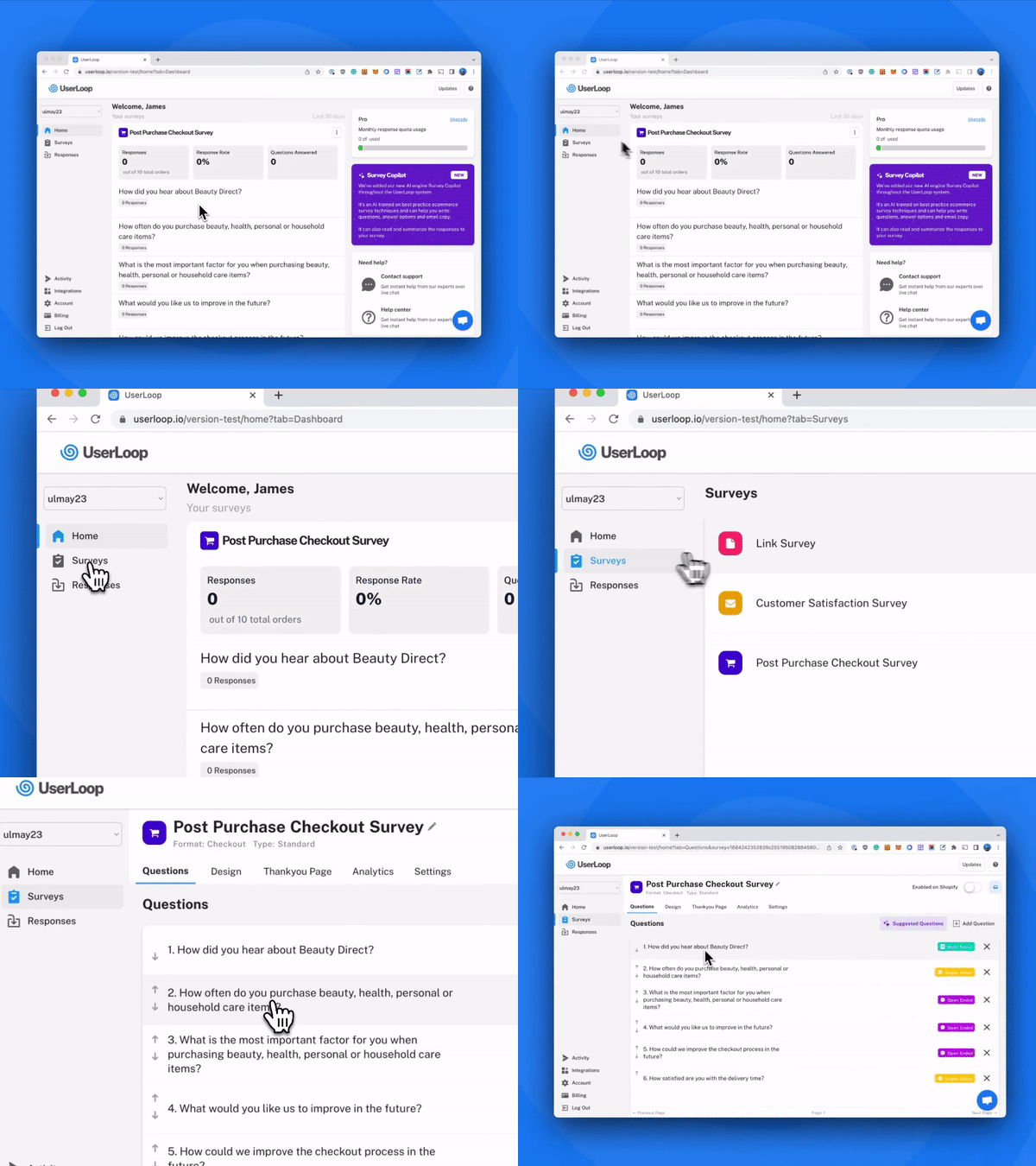
UserLoop provides a comprehensive VoC solution that captures and analyses customer feedback across multiple touchpoints. It has built in survey functionality and integrates with OpenAI GPT-4 to help analyze customer feedback at scale - giving you clear actionable insights on how to improve your customer experience in plain English.
Cost: ★★★★★
Reviews: ★★★★★
Features: ★★★★★
Pros: Rich features for collecting VoC data, ease of use, and robust analytics capabilities with built in AI analysis.
Cons: Primarily designed for Shopify stores
2. Medallia
Medallia is a powerful platform that offers a suite of customer experience tools, including VoC monitoring. It's one the largest players in the space - it's highly likely you've completed a Medallia survey yourself at some point in the past!
Cost: ★★☆☆☆
Reviews: ★★★★☆
Features: ★★★★★
Pros: Comprehensive VoC tools, robust data analysis, and integration with multiple platforms.
Cons: Might require a steeper learning curve due to its extensive capabilities, on the pricier side.
3. Qualtrics
Qualtrics offers a sophisticated VoC solution as part of their customer experience management platform.
Cost: ★★☆☆☆
Reviews: ★★★★☆
Features: ★★★★☆
Pros: Advanced data analysis features, customizable survey creation, and integration capabilities.
Cons: May be too complex for businesses looking for a simple, straightforward solution.
4. GetFeedback
GetFeedback, powered by SurveyMonkey, offers a straightforward and intuitive VoC solution.
Cost: ★★★★☆
Reviews: ★★★★☆
Features: ★★★☆☆
Pros: Easy to use, customizable surveys, and offers Salesforce integration.
Cons: Lacks some advanced analytics features present in other platforms.
CustomerGauge offers a VoC platform that revolves around the Net Promoter Score (NPS) system.
Cost: ★★★☆☆
Reviews: ★★★☆☆
Features: ★★★★☆
Pros: Focus on NPS allows for benchmarking, strong analytics features.
Cons: Less comprehensive in collecting other types of VoC data.
6. Forsta
Forsta provides a robust platform for customer insights, including VoC monitoring tools.
Cost: ★★☆☆☆
Reviews: ★★★☆☆
Features: ★★★★★
Pros: Wide range of tools for collecting and analyzing VoC data, customizable survey design.
Cons: Might be more suited for larger businesses due to its extensive capabilities.
While each of these apps brings something valuable to the table, in the next section, we'll detail why UserLoop is our recommended choice for VoC monitoring on Shopify.
Wrapping Up: Next Steps for Shopify VoC
In today's dynamic e-commerce landscape, understanding your customers' voice has never been more important. As we've explored in this guide, VoC provides invaluable insights into your customers' experiences, needs, and preferences, allowing you to continually refine and improve your Shopify store.
We've unpacked the common challenges that Shopify merchants face when monitoring VoC and provided practical tips and best practices for measuring it using different methods, including customer feedback surveys, social media monitoring, and review analysis.
Most importantly, we've delved into the world of VoC monitoring apps, discussing the pros, cons, cost, and features of some of the top contenders in the market, including UserLoop, Medallia, Qualtrics, GetFeedback, CustomerGuage, and Forsta.
Choosing the right VoC monitoring app depends on your unique needs, resources, and objectives. However, we recommend UserLoop as an optimal choice due to its robust features, ease of use, and affordability. With UserLoop, you can capture and analyze customer feedback across various touchpoints, all in one centralized, user-friendly platform. This can significantly simplify your VoC monitoring process and enable you to quickly and effectively act on customer feedback.
We encourage you to take the next step in your VoC journey. If you're interested in trying out UserLoop for your Shopify store, you can sign up for a free trial, or install the app directly from the Shopify app store, or get in touch with our team for more information.
Remember, the voice of your customer is a key driver for your business's growth and success. By harnessing it effectively, you can unlock new opportunities and take your Shopify store to the next level. Listen to your customers, and let them guide you to success!


The agentic growth toolkit for Shopify
Ask your customers anything
UserLoop talks to your customers at scale with surveys and contests that feed one AI-queryable dataset. AI does the setup and the analysis.
- SurveysFind out why customers buy: checkout, email, link & QR.
- ContestsGiveaways that grow your list and social following.
Free plans on both apps · live in minutes