Guide to Creating Sporting Goods Customer Surveys: Questions, Strategies, and Template
Navigating the diverse landscape of sporting goods presents its own set of challenges and opportunities. In an industry where the right equipment can significantly impact performance and satisfaction, the demand for personalized recommendations has never been higher. With many options available, making the right choice is paramount for consumers dedicated to their sport. Fortunately, the advent of sophisticated surveys and quizzes is revolutionizing how sporting goods retailers connect with their audience, offering unparalleled customization in customer service and satisfaction.
The era of one-size-fits-all is decidedly over in the realm of sporting goods. Today, consumers seek equipment that complements their unique playing style, fitness level, and personal preferences. Surveys and quizzes have emerged as pivotal tools for retailers, enabling them to collect detailed insights into each customer's specific needs and preferences. By delving into sporting aspects and preferences retailers can craft recommendations that are as precise and individual as the sports enthusiasts themselves.
The beauty of quizzes and surveys lies in their capacity to uncover detailed nuances about customers' needs and aspirations, which might not be immediately apparent. For instance, a cyclist might be on the lookout for a bike that suits their endurance riding aspirations but may not know the specifics of what to look for. Similarly, a tennis player could be unaware of how racket weight and string tension could affect their play. Through thoughtfully designed questions, retailers can identify these hidden needs and guide customers toward the best choices.
Moreover, the interactive nature of quizzes and surveys makes the online shopping experience more engaging and personalized, significantly enhancing customer satisfaction. Instead of sifting through an overwhelming array of options, customers feel actively involved in a guided discovery process, deepening their connection with the brand and increasing the likelihood of loyalty and repeat engagements.
For retailers, the insights gleaned from quizzes and surveys aren't just about making immediate sales. They provide a wealth of data that can inform product development, marketing strategies, and even customer service enhancements. By understanding the evolving preferences and performance needs of their market, retailers can stay ahead of trends and position themselves as go-to experts in the cycling and tennis communities.
In the competitive landscape of sporting goods, quizzes and surveys offer a dual advantage: they empower consumers to make informed decisions tailored to their specific sporting journey while providing retailers with invaluable data to refine and personalize their offerings. As this trend continues to grow, the connection between sporting goods retailers and their customers will become ever more nuanced and meaningful, paving the way for a new era of personalized sports retailing.
Where to Start
When guiding a customer toward the right sporting equipment, especially in areas like cycling and tennis, retailers can greatly benefit from understanding their customers' unique needs, preferences, and goals. Just as a vitamin brand might inquire about a customer's health and lifestyle to tailor supplement recommendations, sporting goods retailers can ask targeted questions to ensure they recommend the most suitable equipment.
Here are some questions they might consider:
Demographic Information
- What is your age?
- What is your gender?
- What is your location?
- What is your height, and weight?…. And, any other factors important to sporting good fit.
Sporting Goals
- Are you aiming to improve your performance in a specific area (e.g., speed, endurance, strength)?
- Do you have any specific goals or milestones you're working towards in your sport (e.g., completing a cycling race, or participating in a tennis tournament)?
Equipment History
- What equipment are you currently using, and what do you like or dislike about it?
- Have you experienced any injuries or discomfort from your current or past equipment?
- Are you looking for equipment that addresses a specific concern or need (e.g., a lighter tennis racket, or a bicycle with better suspension)?
Lifestyle and Activity
- How often do you train or participate in your sport?
- What is the intensity level of your training or participation?
- Do you cross-train or engage in other physical activities?
- What are the typical conditions in which you train or compete (e.g., weather, terrain)?
General Health
- How would you describe your overall health and fitness level?
- Do you have any physical limitations or health conditions that might influence your choice of equipment?
Lifestyle - Exercise
- What is your level of experience (beginner, intermediate, advanced)?
- Are you part of a team or club or do you prefer individual participation?
- Have there been any recent changes in your activity level or training routines?
- What aspect of your game are you looking to improve?
Additional Considerations
- Are there specific brands or technologies you're interested in?
- What is your budget for new equipment?
- Is there any other information you think would be important for us to recommend the right equipment for you?
By gathering this information, sporting goods retailers can offer personalized equipment recommendations, ensuring their customers are equipped with the best possible gear for their individual needs and goals. This approach not only enhances customer satisfaction but also fosters loyalty by demonstrating a retailer's commitment to their customers' success and well-being in their chosen sports.
Real-life Examples from Sporting Goods Brands
Here we look at some interesting examples from leading sporting goods brands Head Tennis Rackets, Brooklyn Cycles, Juliana Bikes, and Simms fishing equipment.
The Initial Hook
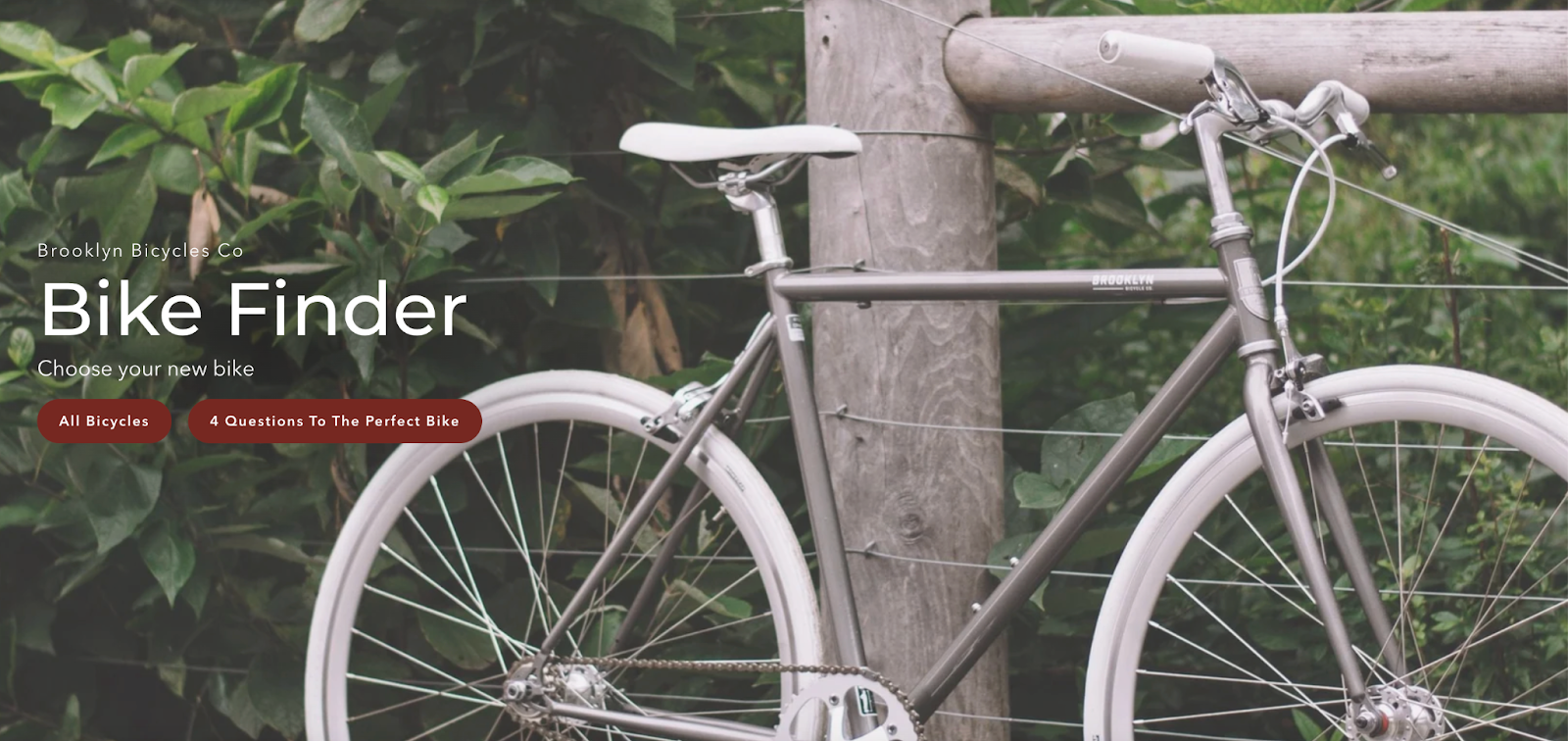
The first step is enticing people to take the quiz and engage with the brand. Brooklyn Bikes has the quiz front and center on the home page immediately inviting people to engage and suggesting that with just four questions you can get the perfect bike.
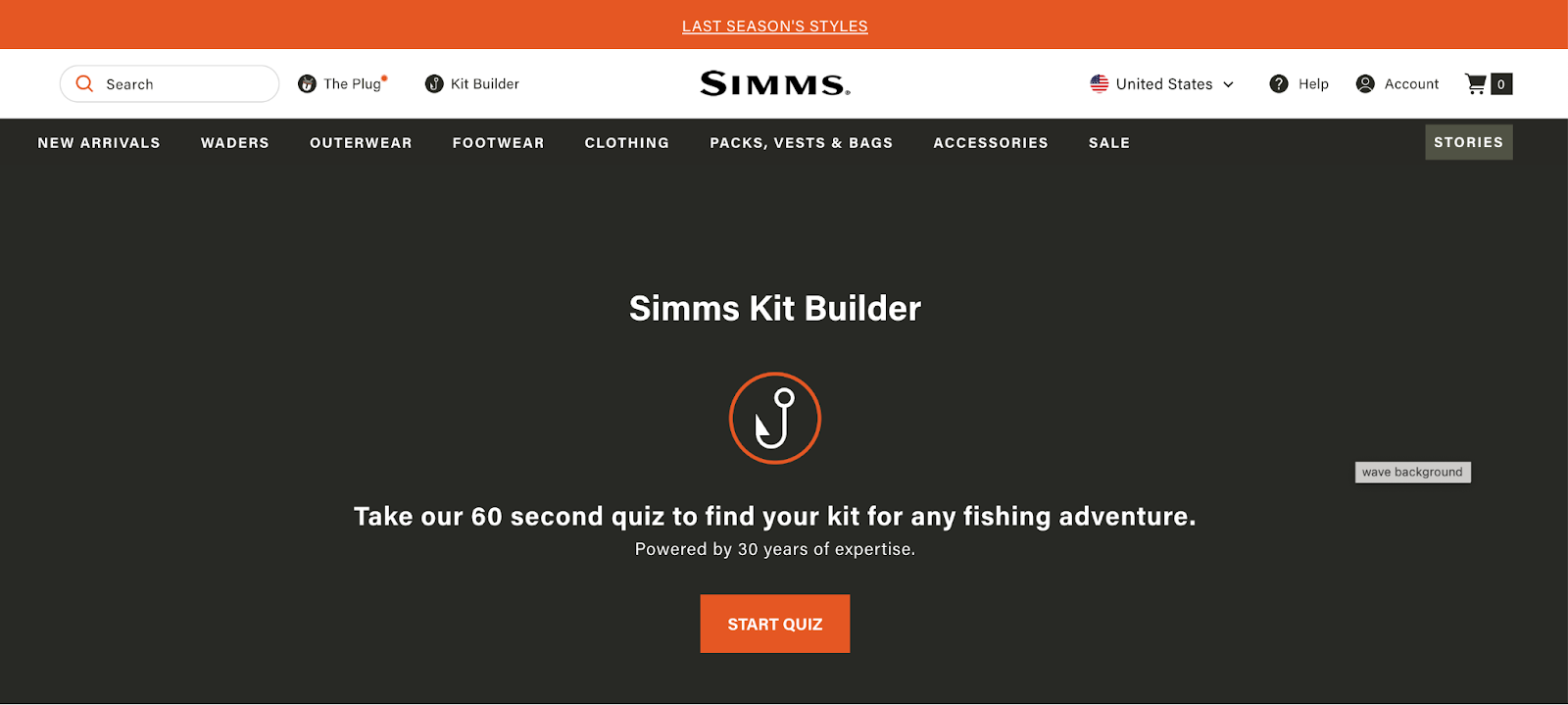
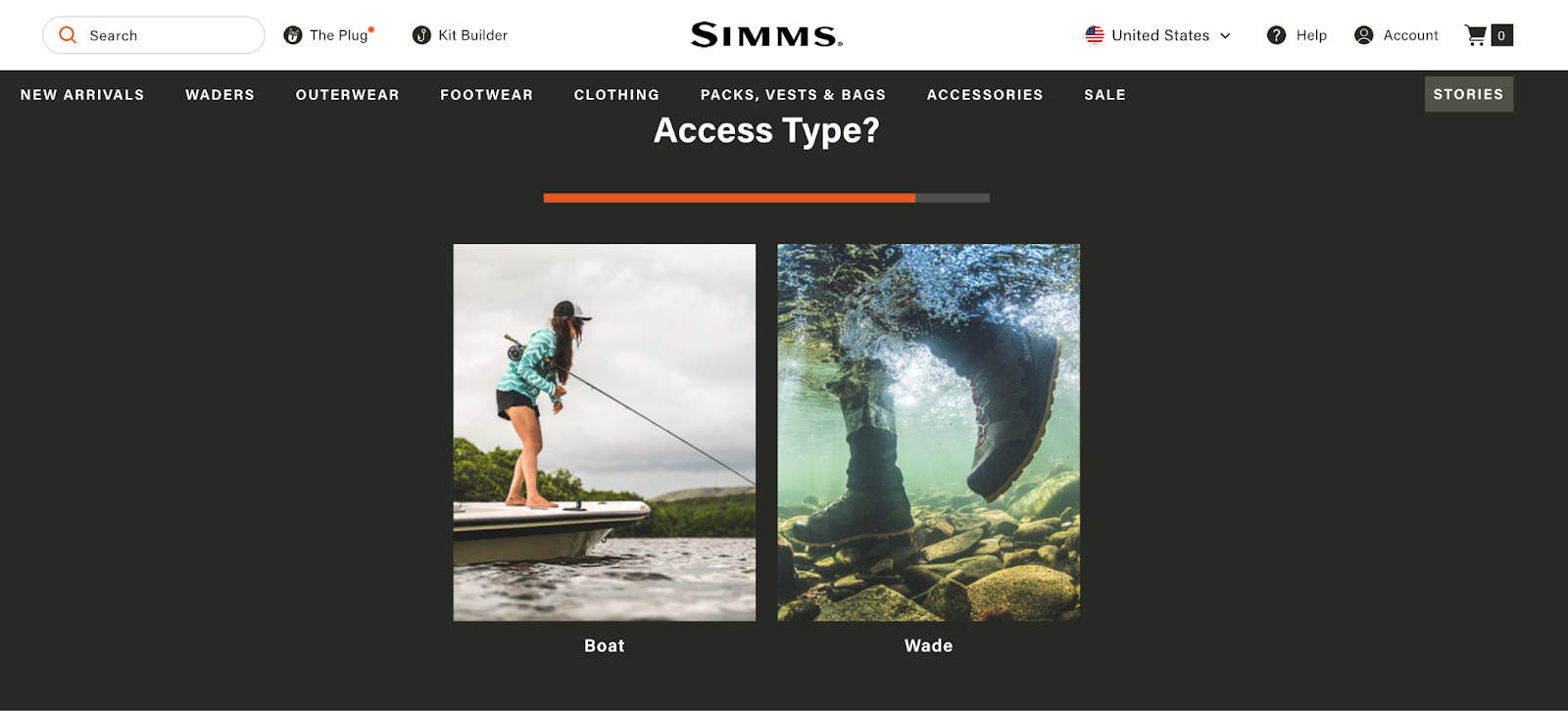
Simms Fishing has branded its quiz as a kit builder with prominent links from the home page.
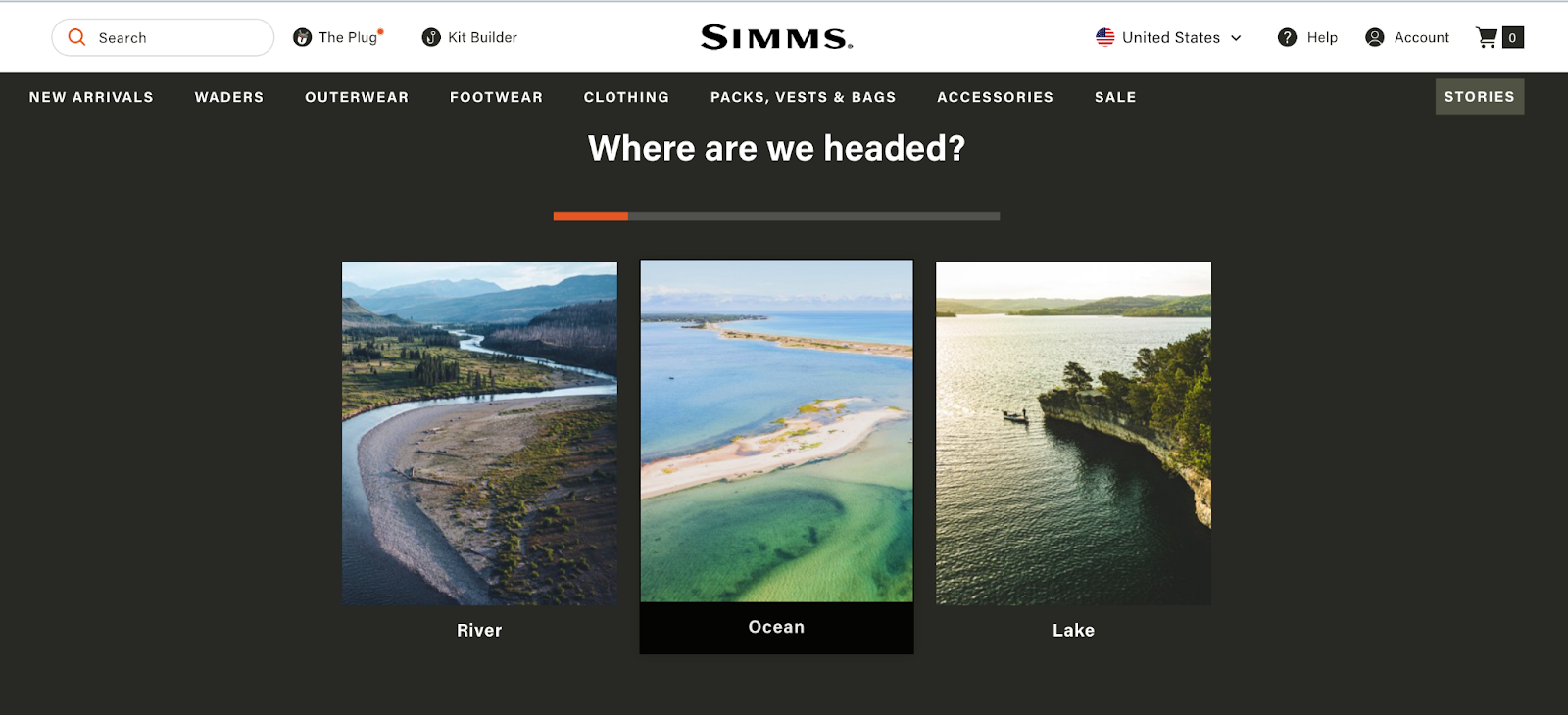
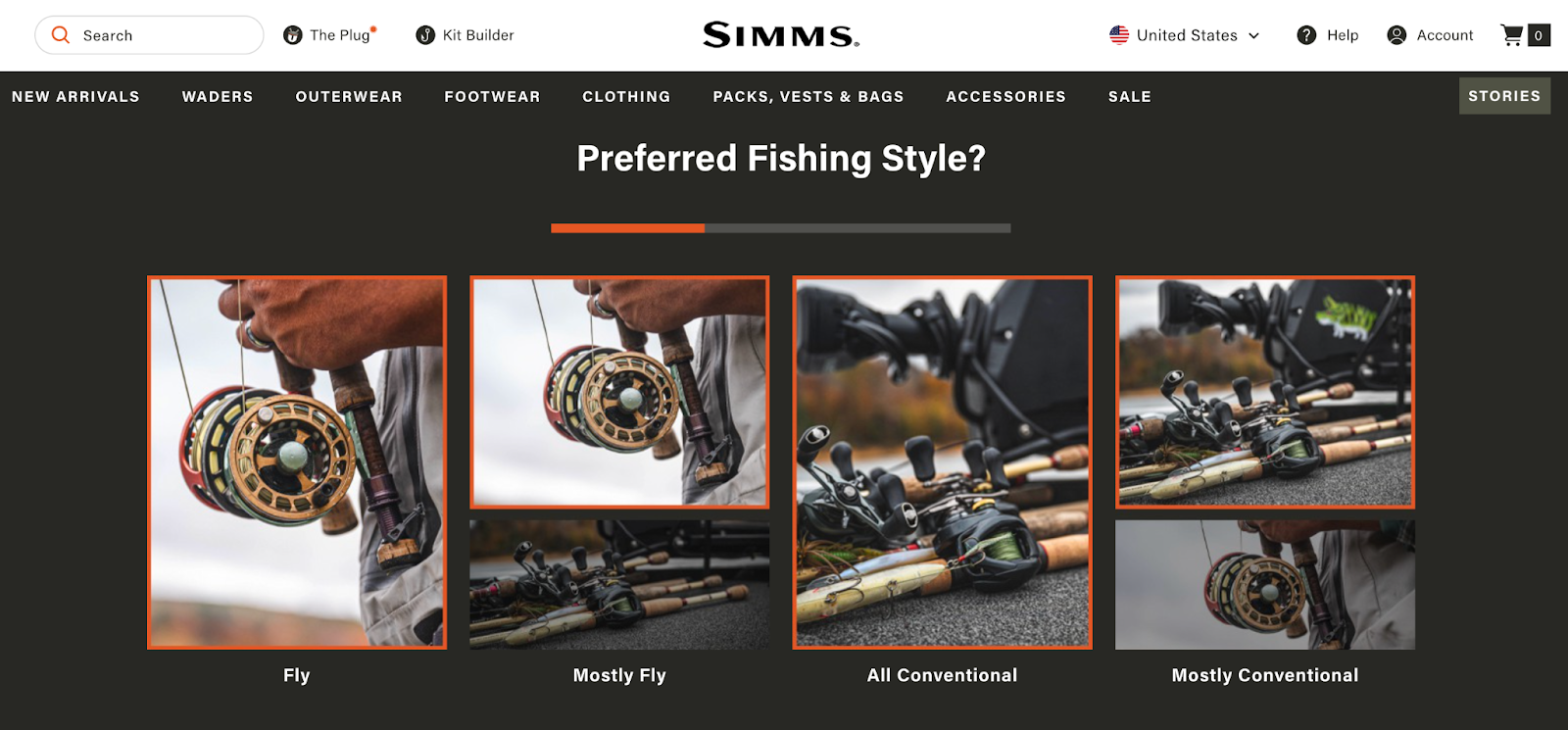
Simms immediately leads with a picture question, which pulls the consumer into the survey and directs them toward the right products.
Demographics
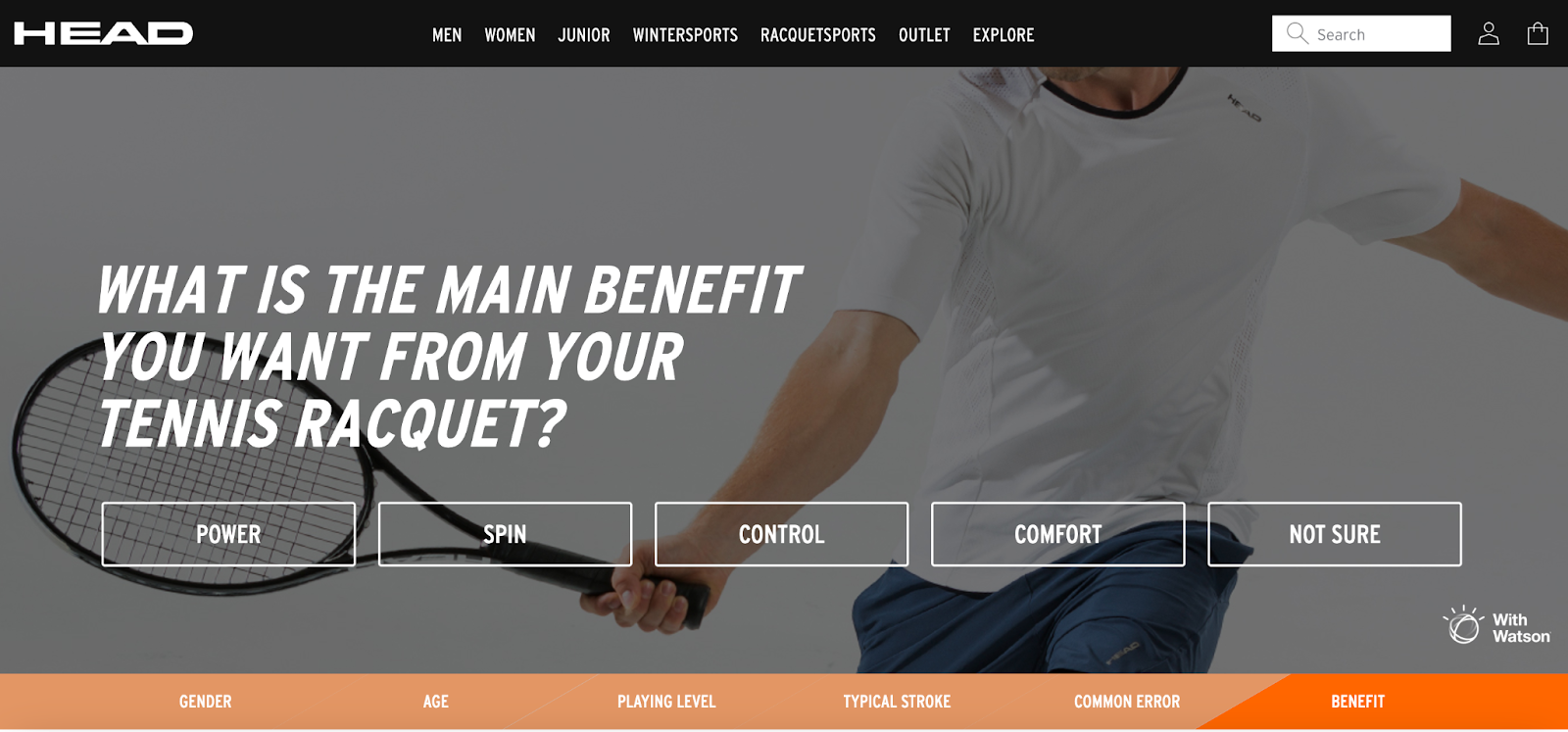
Depending on the sporting good - demographic questions can be a good starting point. For Head tennis rackets demographic questions are the natural starting point.
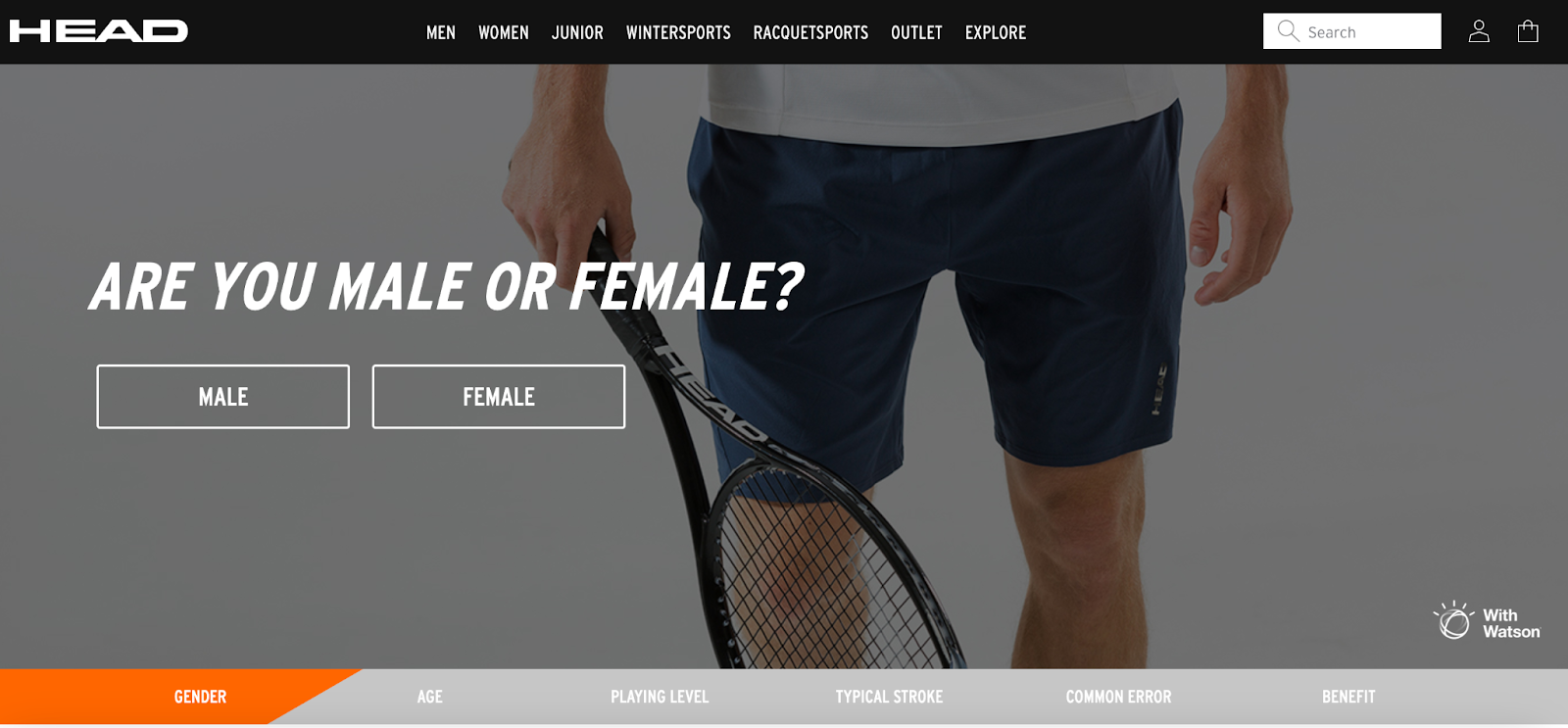
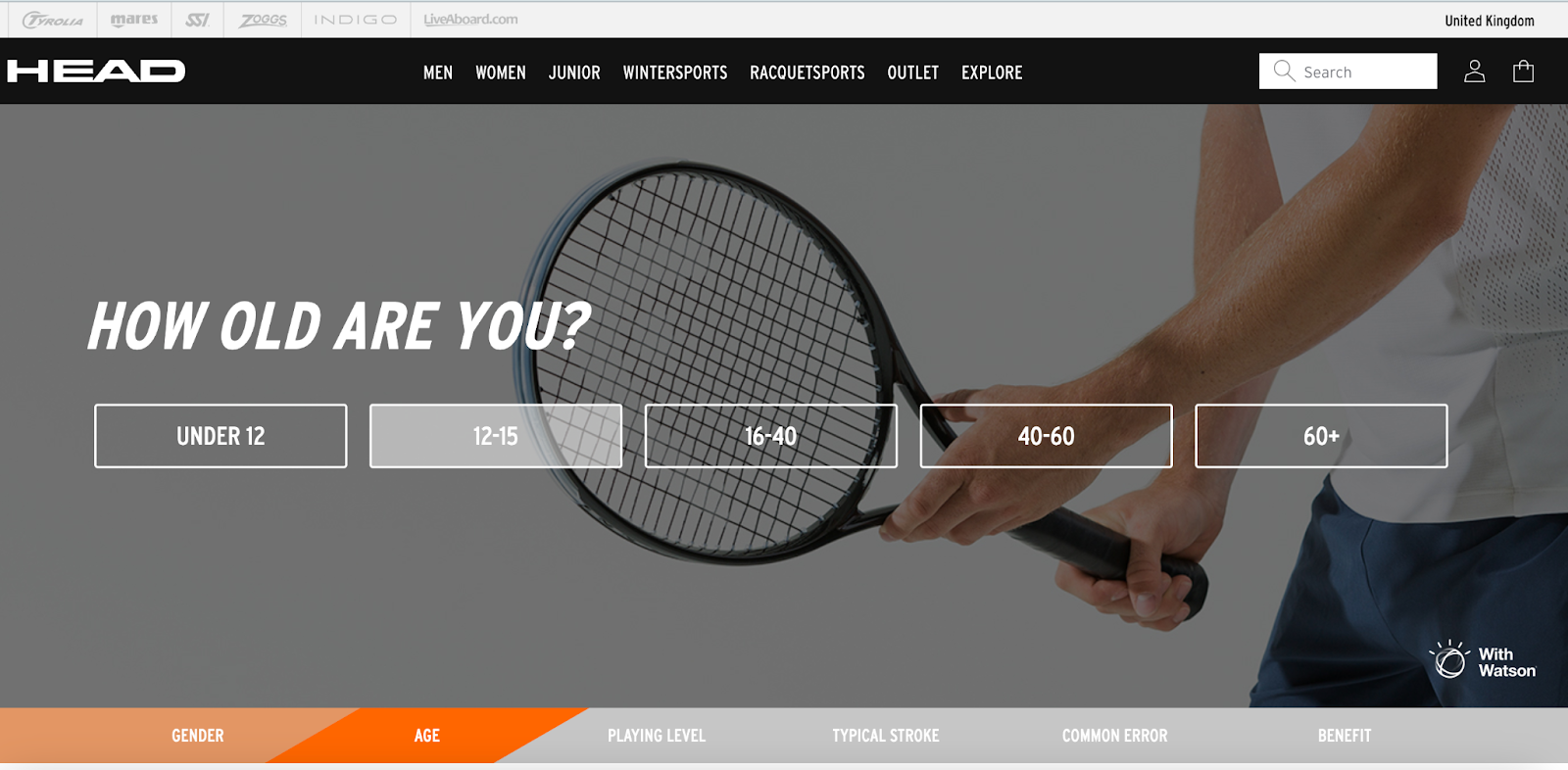
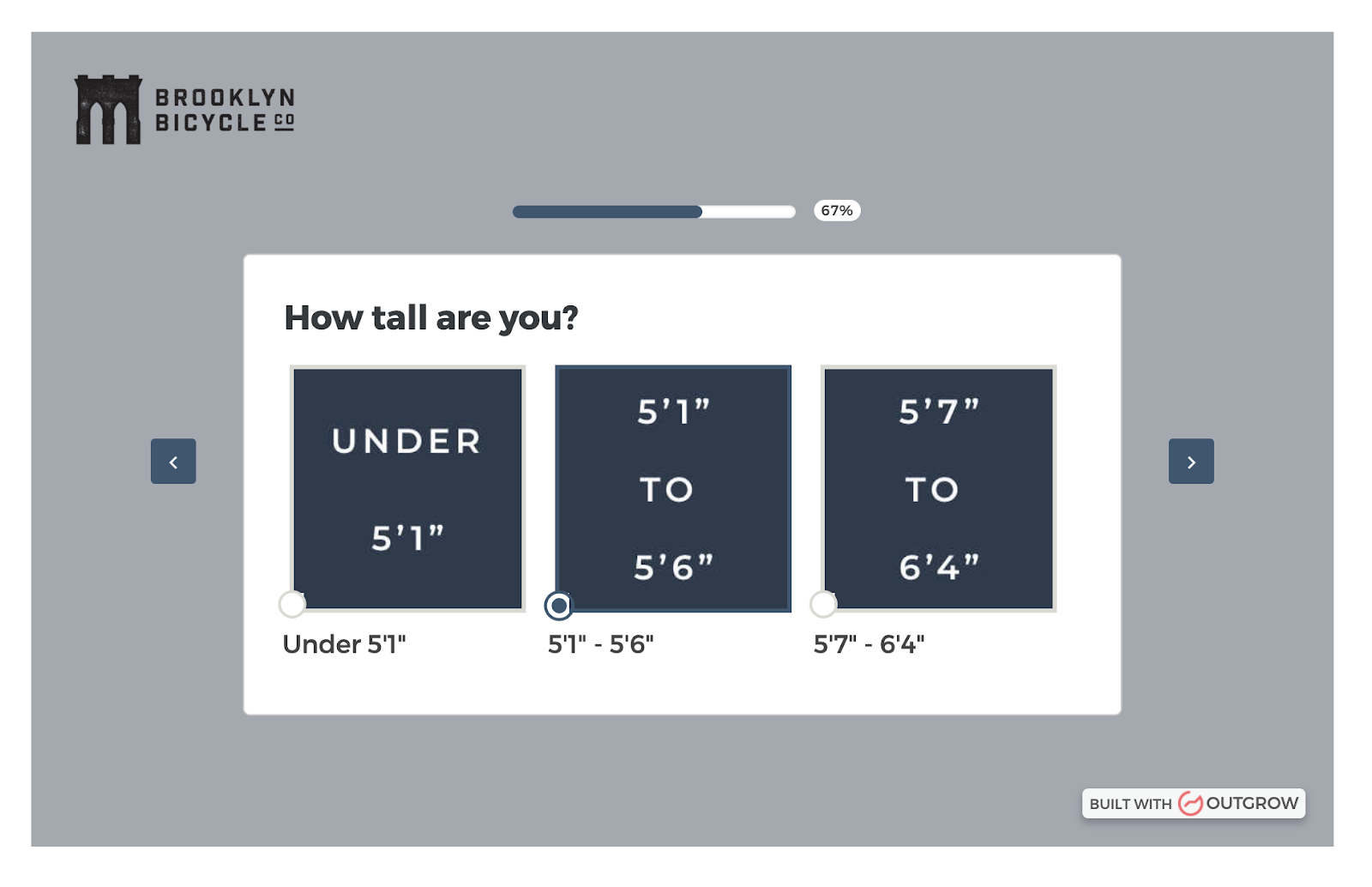
For some sporting goods, it is essential to know personal details like weight and height and here is a simple height example from Brooklyn Bikes.
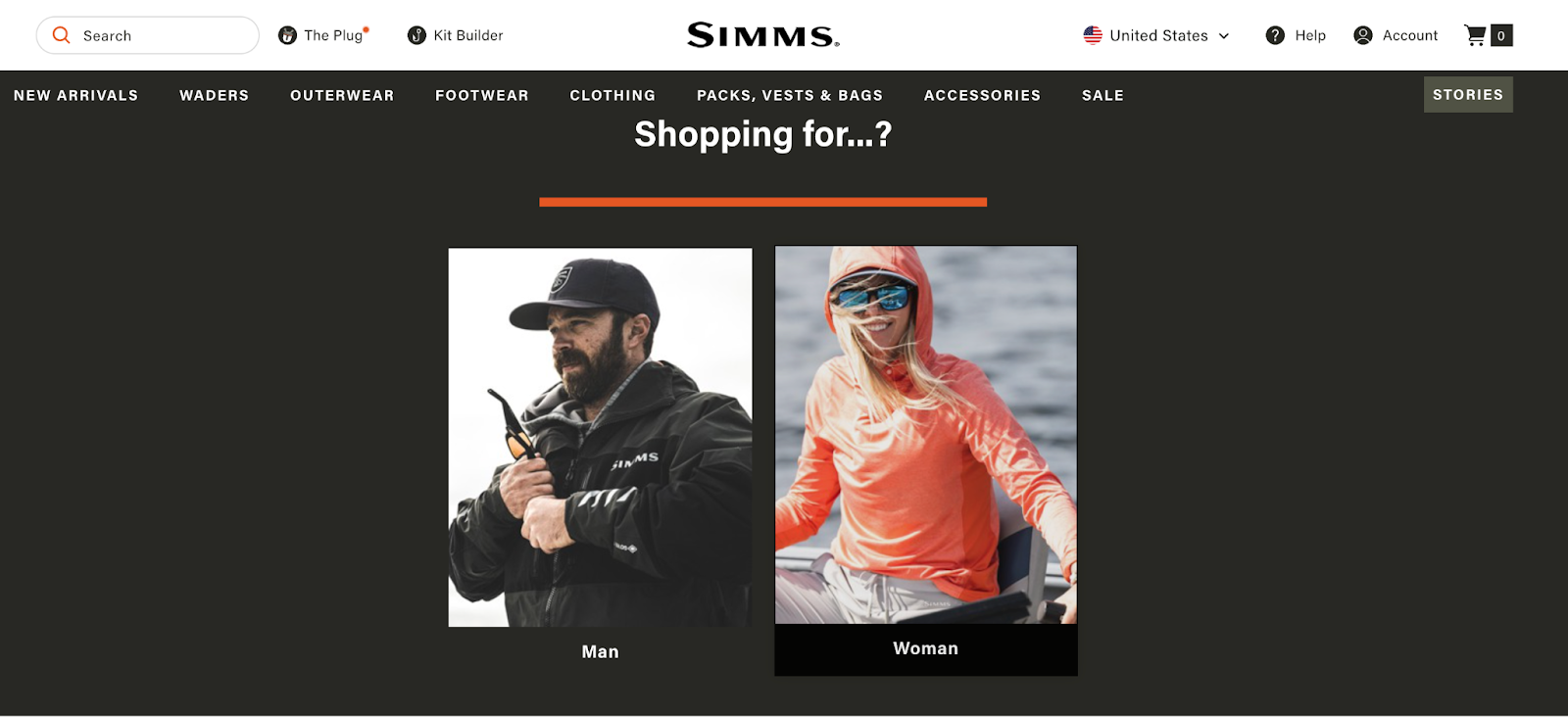
These demogrphaphic questions can work just as well at the end of the survey as shown her by Simms fishing equipment.
Level of Expertise
In many sports, the level of experience dictates the equipment needs.
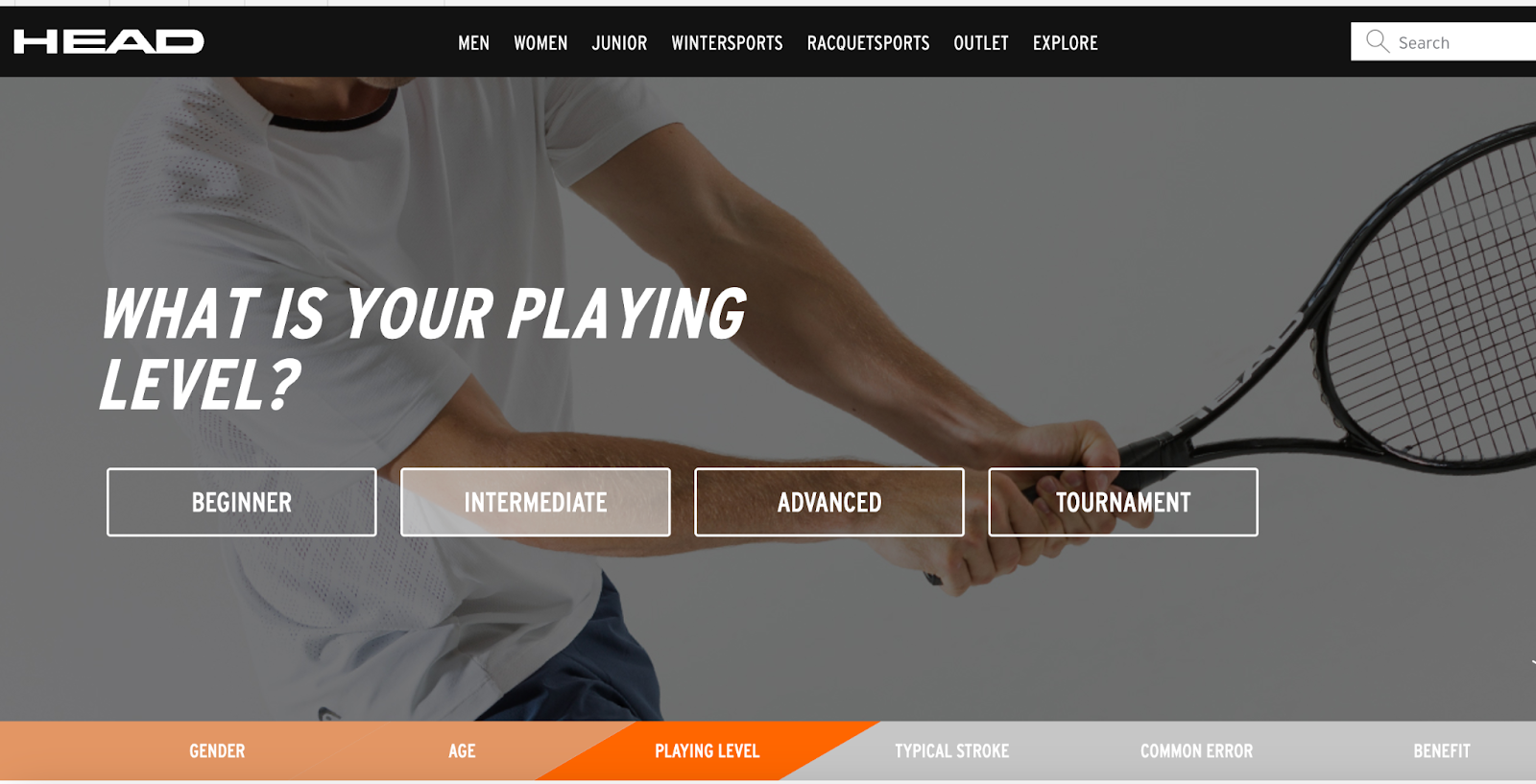
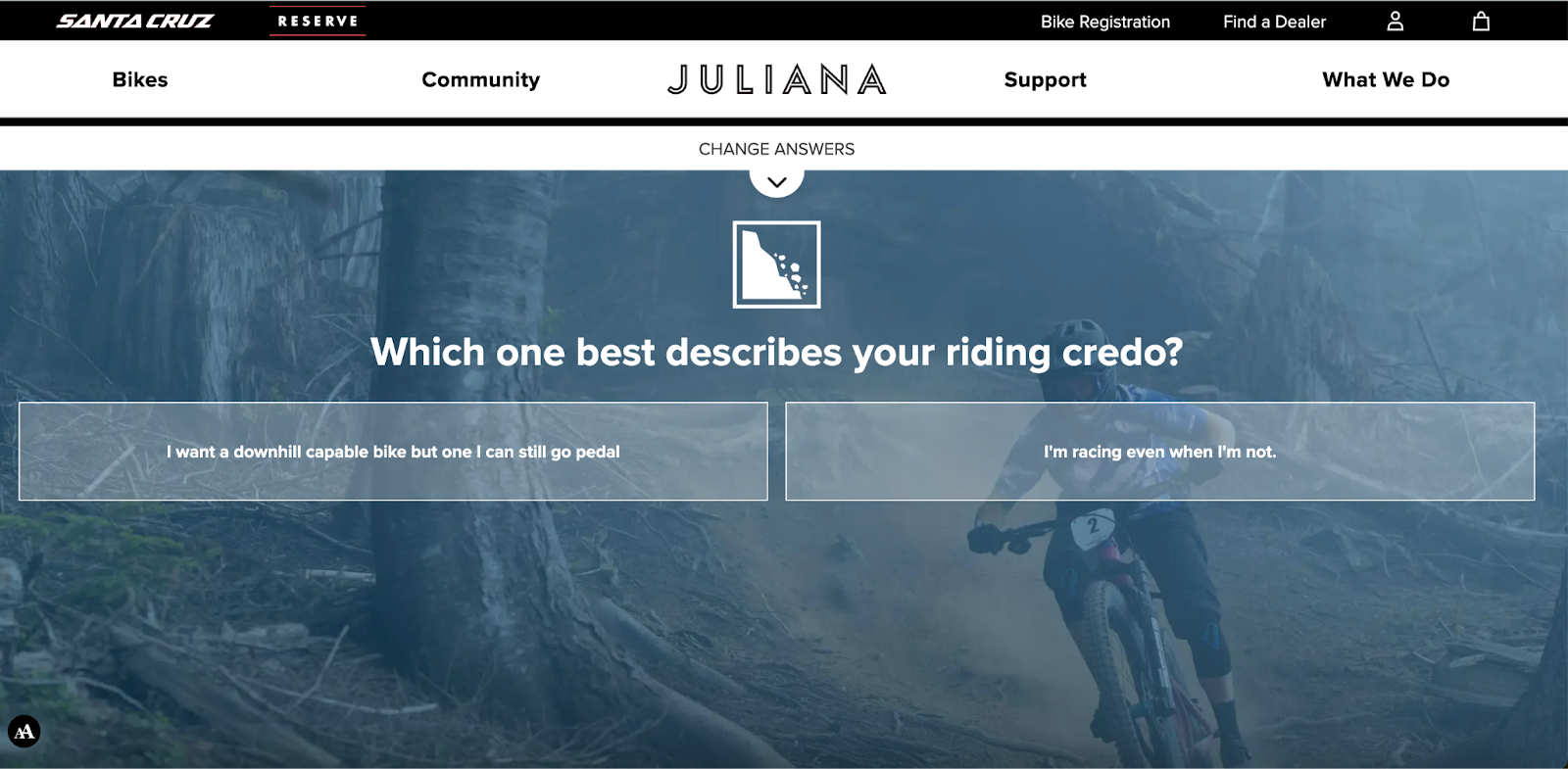
Often these questions are asked in a manner specific to the sport, here is a great example from Juliana that uses a tone and personality that their audience will relate to.
Sport Specific Questions
For sporting goods surveys, the questions are very individual to the sport and the equipment needs, here are some best practice examples from a few different sporting areas.
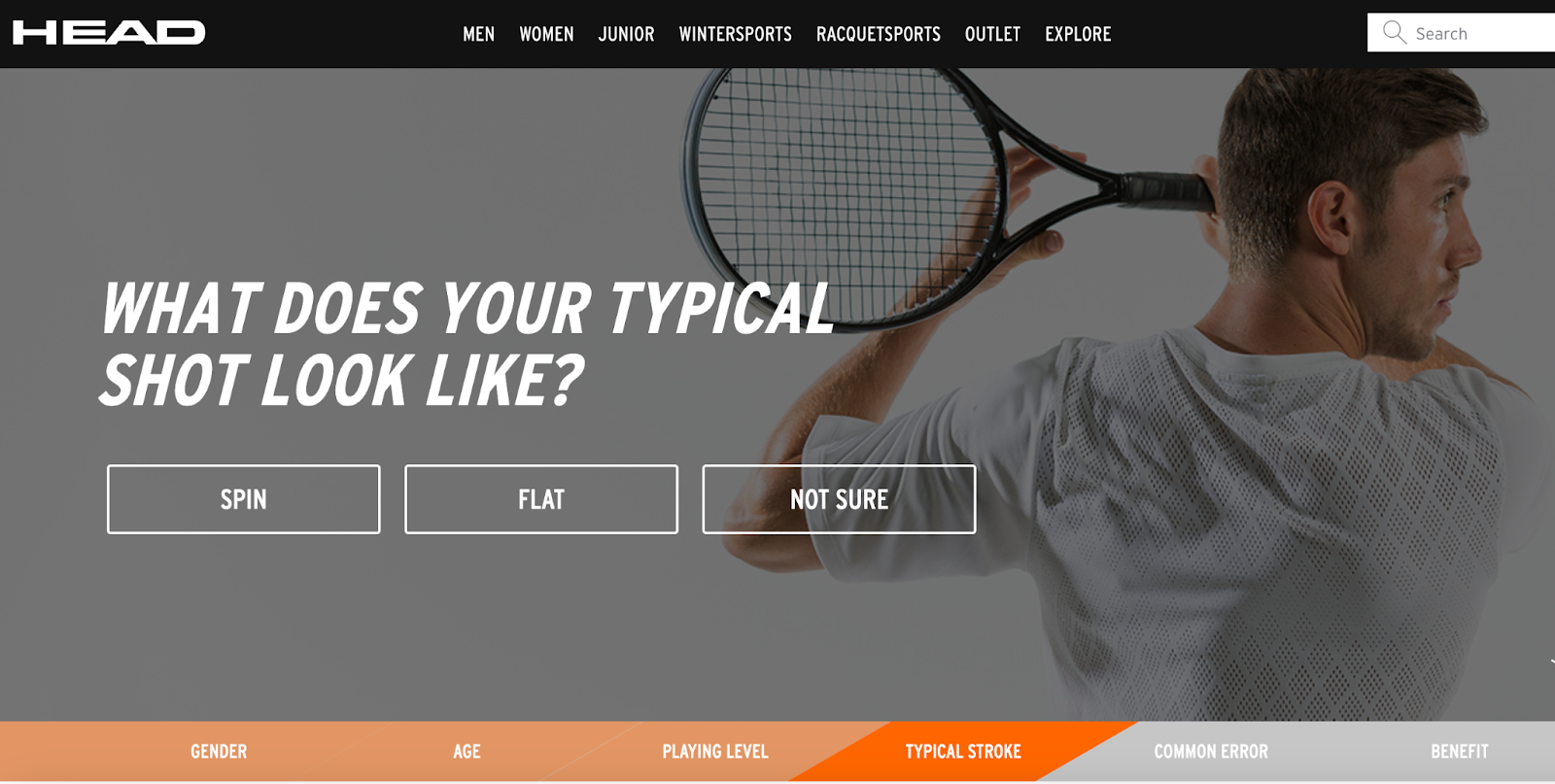
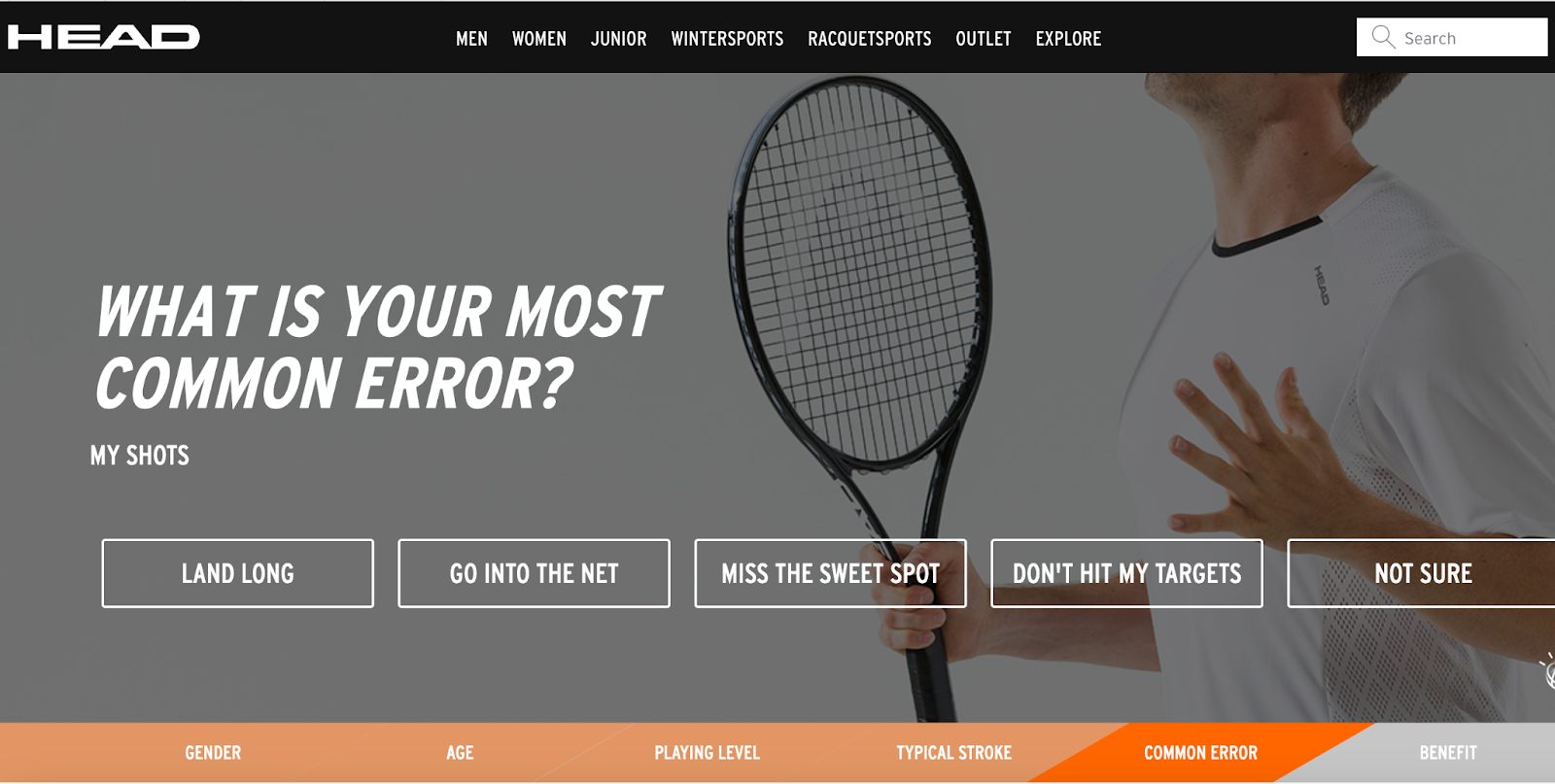
Tennis Specific Questions
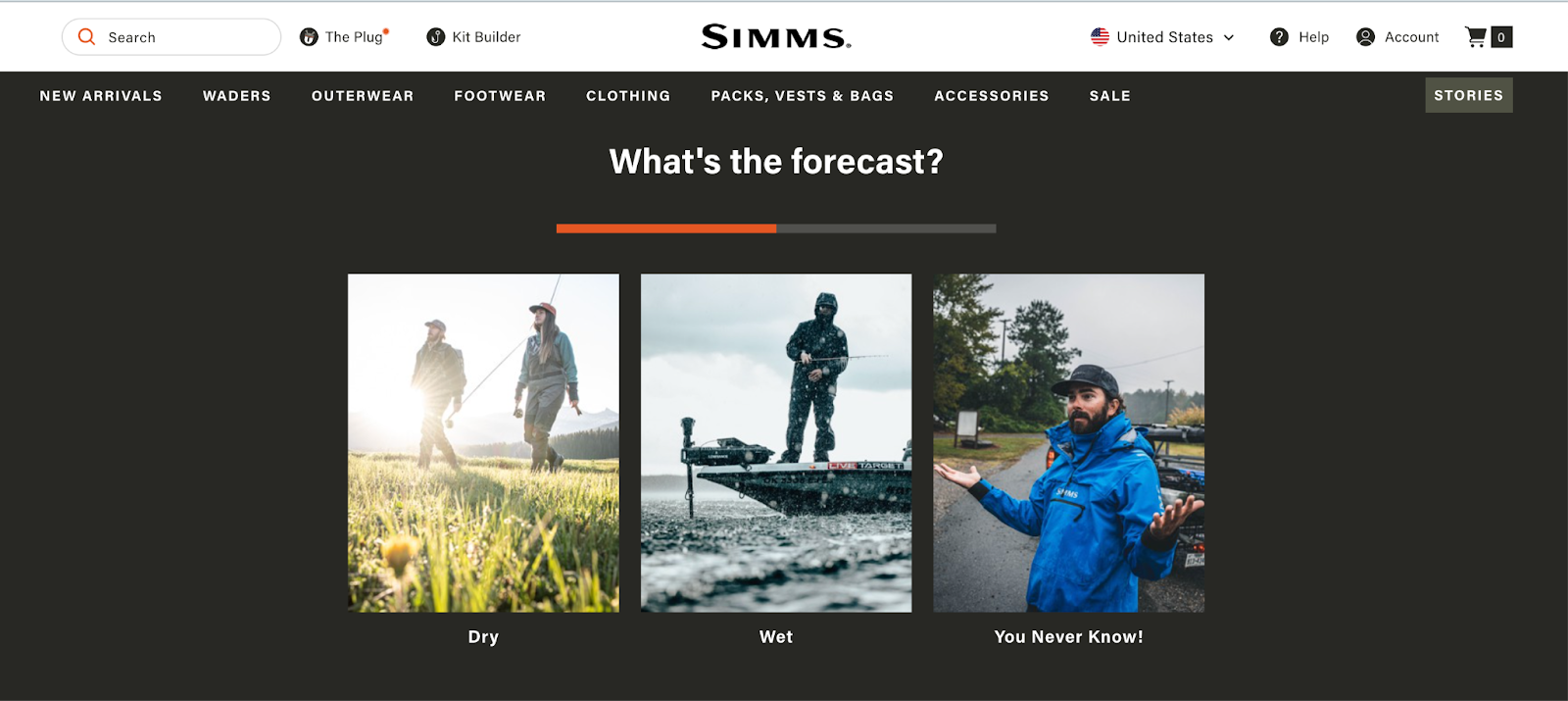
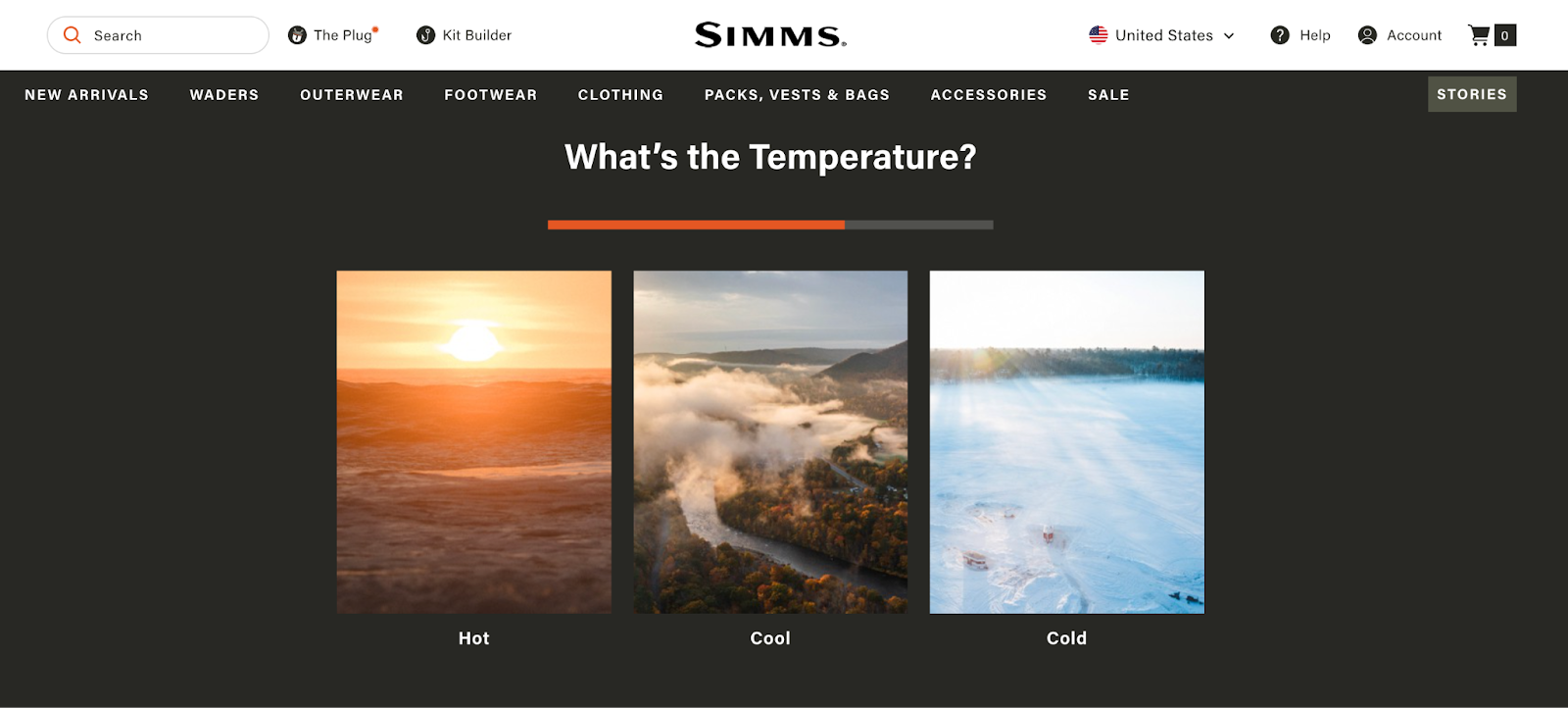
Fishing Specific Questions
Bicycle Specific Questions
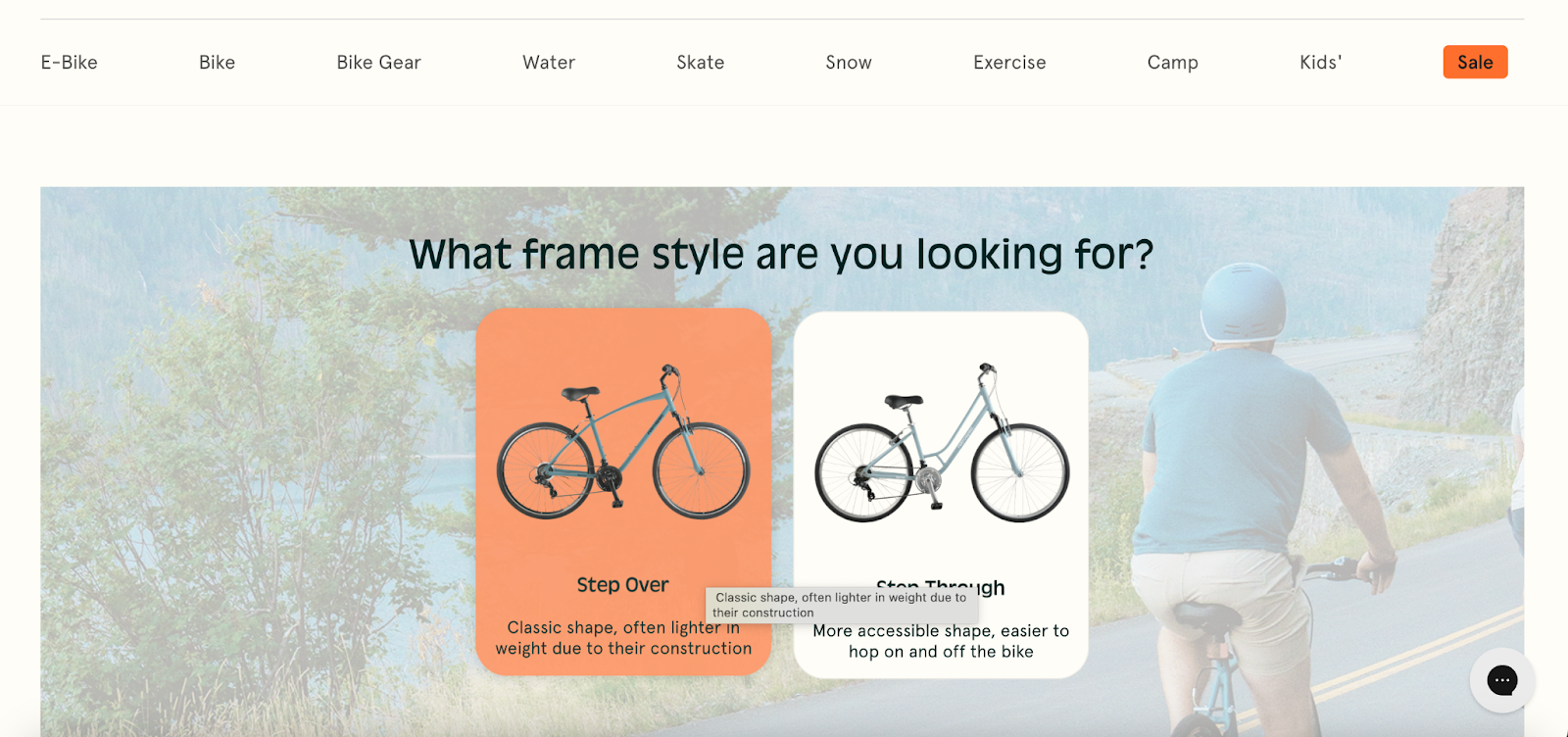
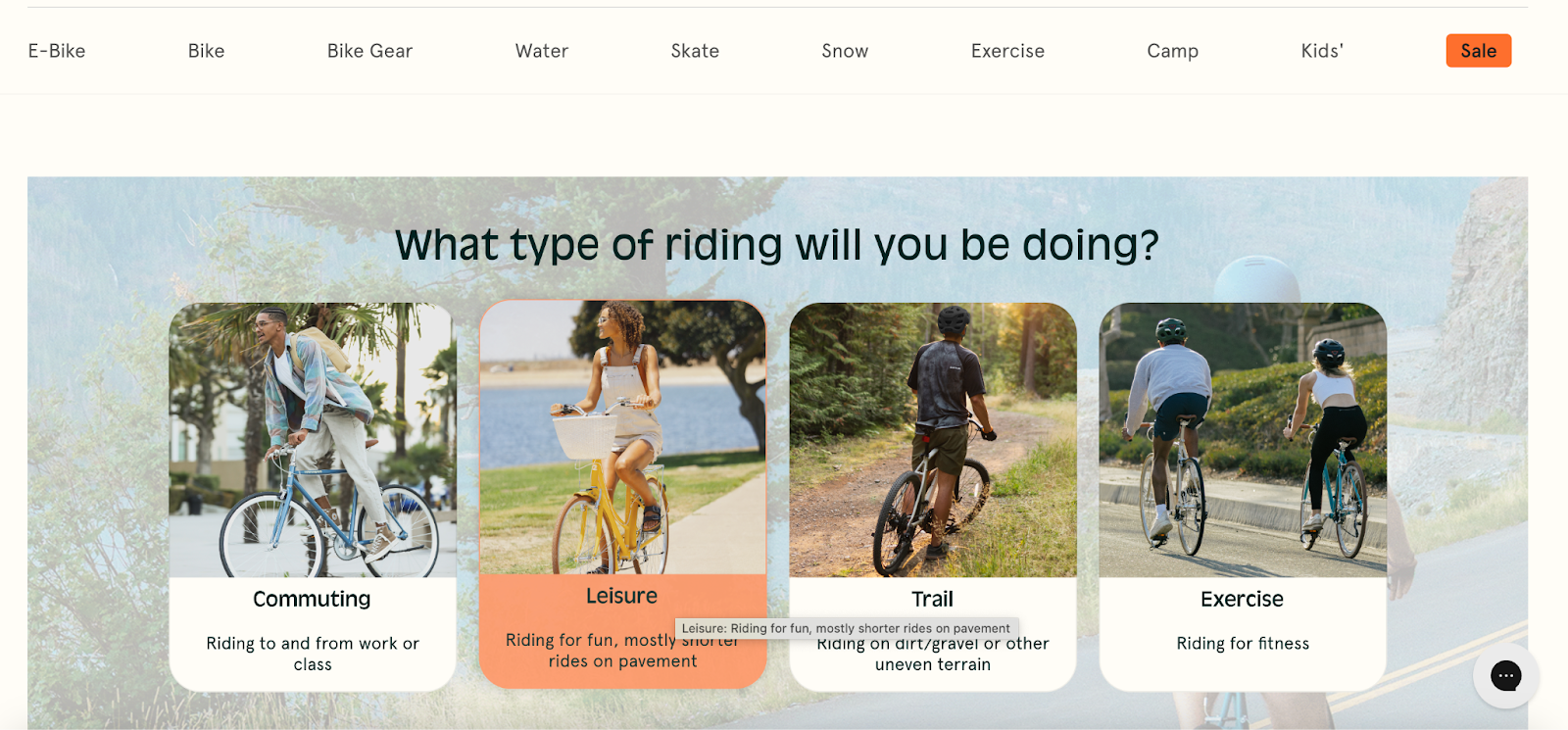
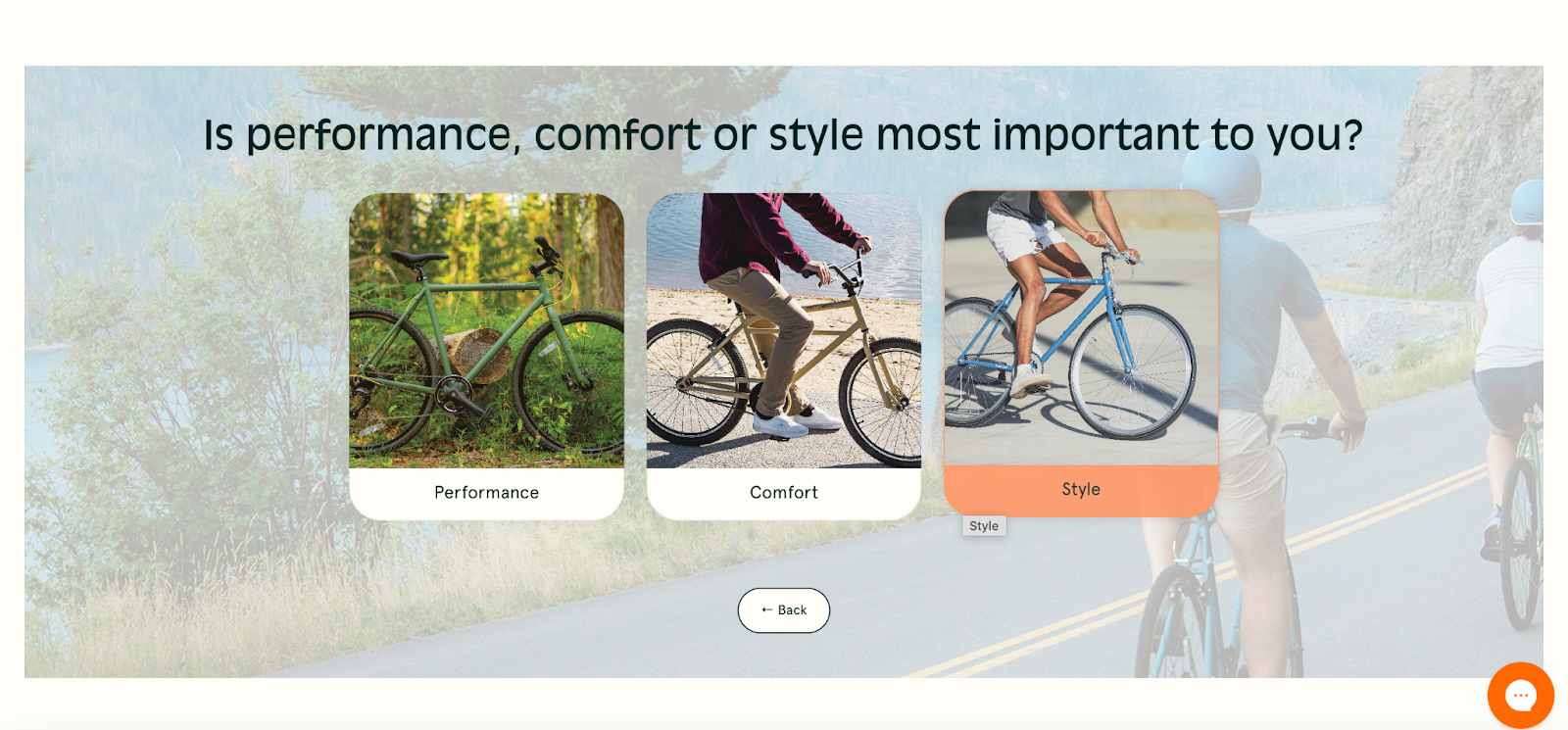
For all of these examples, you can see that the brands rely heavily on visual imagery, helping to guide and engage the customers and keep them interested so they reach the recommendation stage.
Recommendations
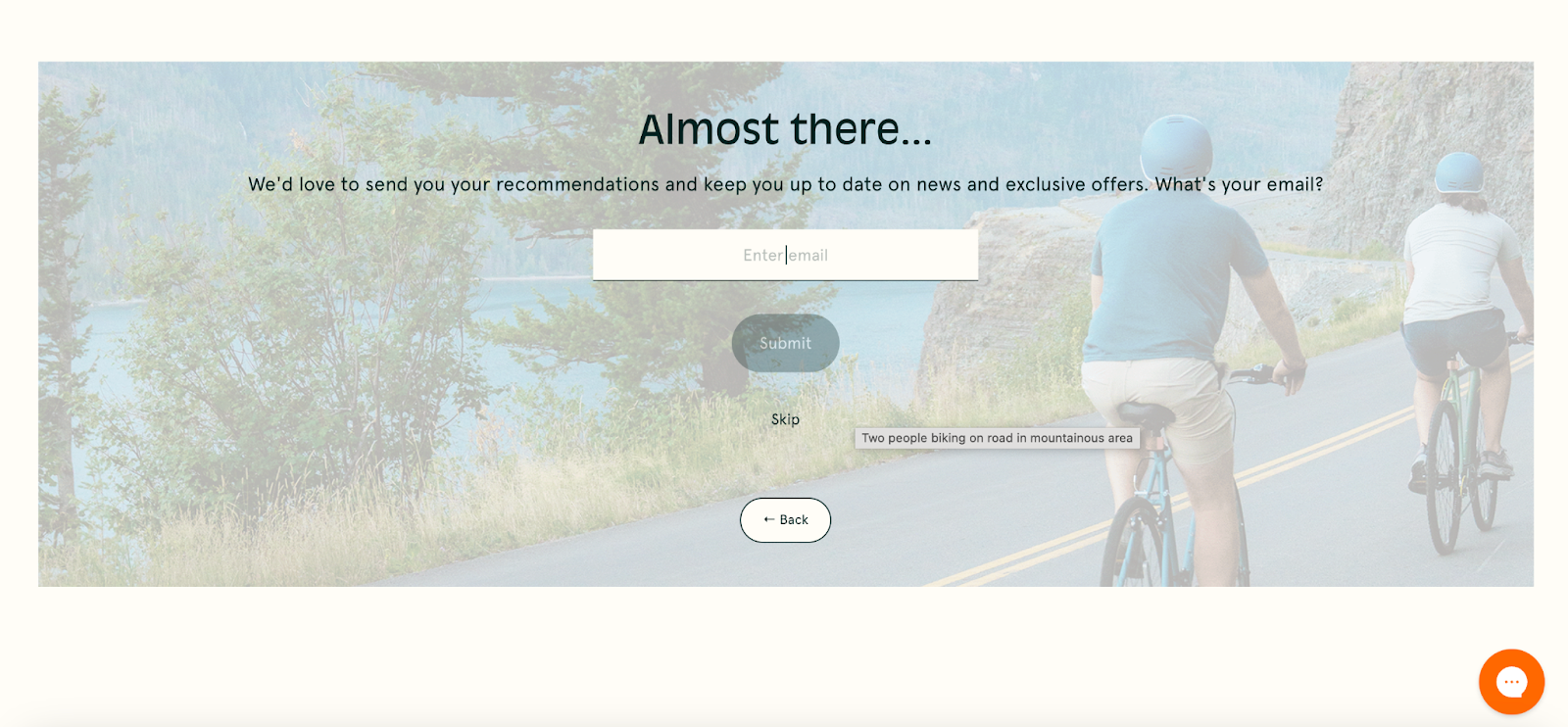
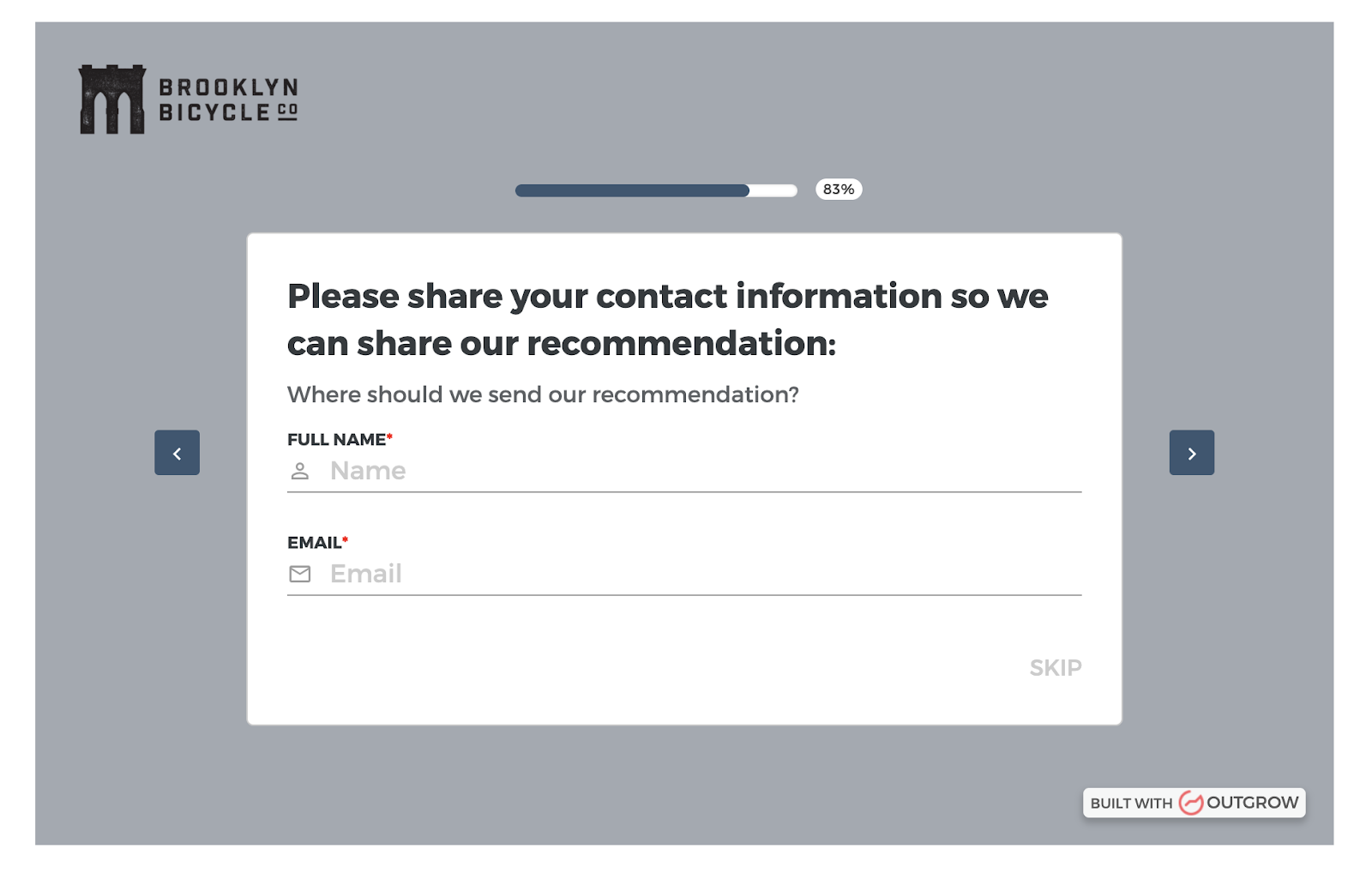
Questions are over and now it is time to see the results! Of course, no brand wants to lose the potential to engage, so if not done at the start of the survey it is now common to capture contact details.
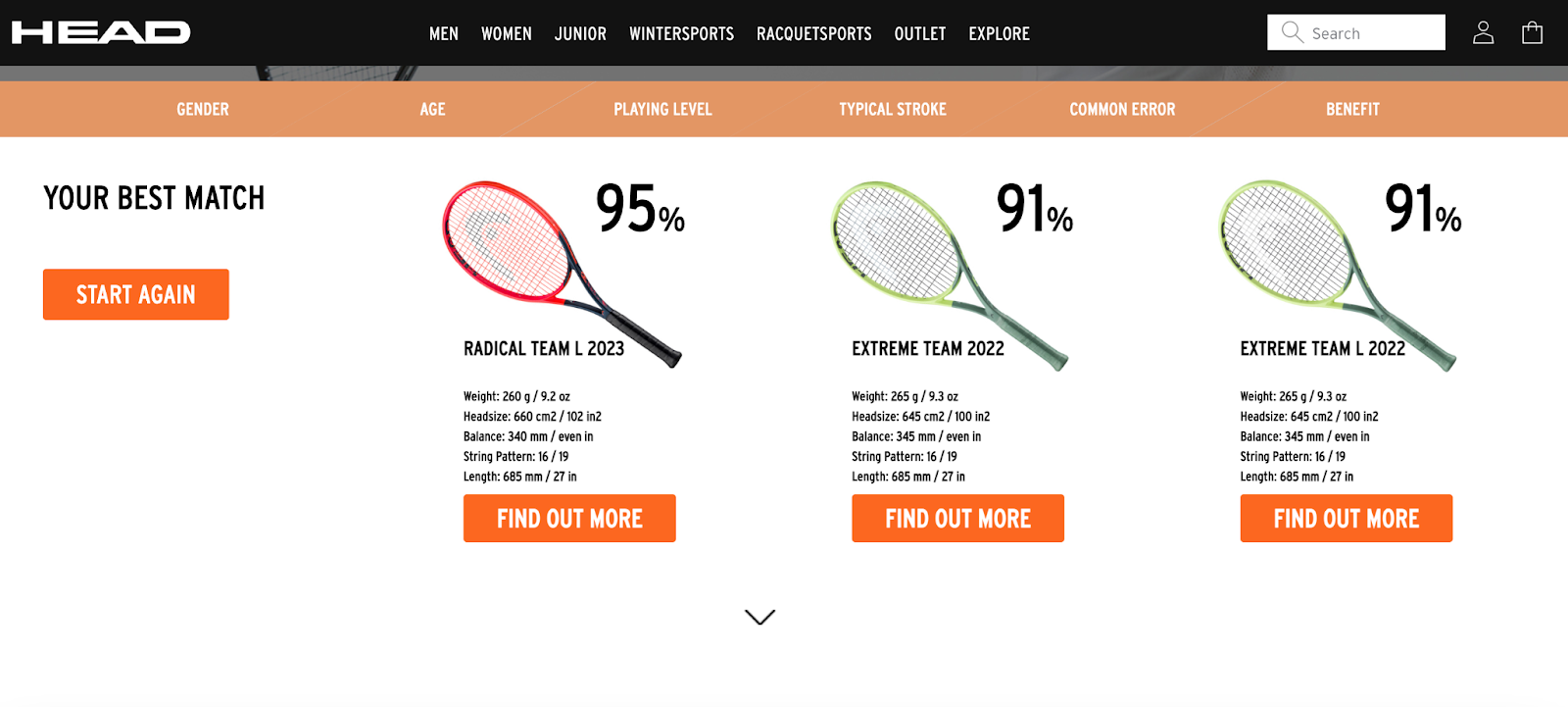
Where there is already strong brand loyalty, as in the case of Head tennis rackets, the brand may opt to lead the customer straight to the recommendations, without the extra step of capturing contact details.
The surge in the online sporting goods sector has transformed how consumers engage with sports and fitness. Its ease of use, round-the-clock availability, and wide range of products make online the go-to choice for fitness enthusiasts worldwide.
Quizzes and surveys are reshaping the interaction between sporting goods brands and their audience, paving the way for a more tailored and impactful shopping experience. These strategies, powered by insightful data, enable individuals to make informed decisions about their fitness needs while deepening their connection with favored brands.
Discover what UserLoop can do for you with a free 14-day trial 🌟. Kick off your first customer survey in just a few minutes and start unlocking valuable insights for both your brand and your customers!


The agentic growth toolkit for Shopify
Ask your customers anything
UserLoop talks to your customers at scale with surveys and contests that feed one AI-queryable dataset. AI does the setup and the analysis.
- SurveysFind out why customers buy: checkout, email, link & QR.
- ContestsGiveaways that grow your list and social following.
Free plans on both apps · live in minutes