

Back to the library
Free planning resourceBuilt for Shopify merchants

Baby product marketing playbook

Safety evidence, age and stage timing, and gift buyers decide baby purchases. Survey questions and consent-aware photo campaigns for Shopify brands.

  • Practical examples
  • Implementation checklist
  • No signup required
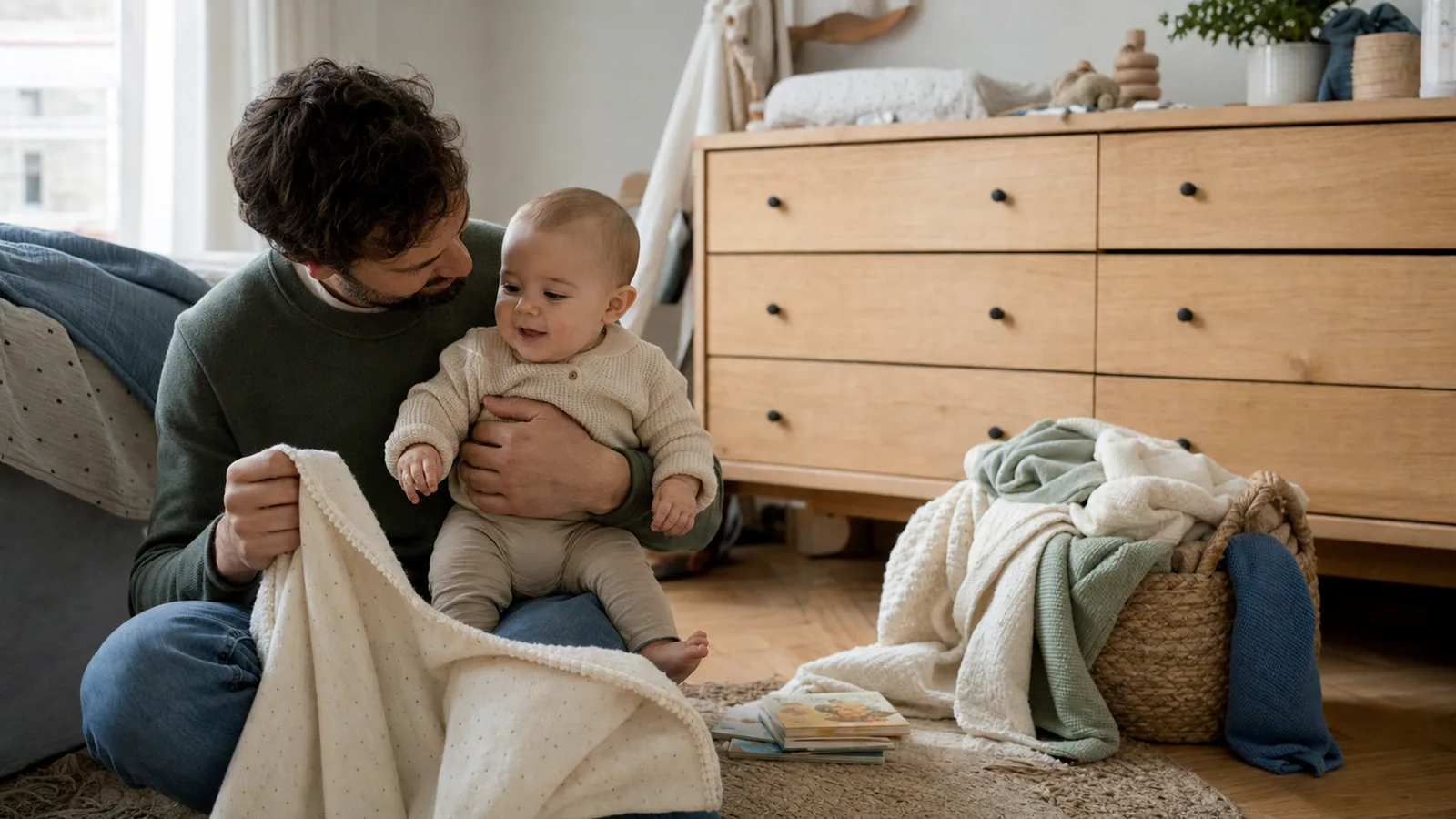
Baby product marketing playbook: baby Shopify merchant lifestyle scene

Baby is the category where the buyer reads the certification before the reviews. A parent choosing a sleep bag, a carrier, or a first spoon is not shopping in the ordinary sense, they are checking whether you are safe, and checkout is the moment they finally decided you were. Ask what convinced them and they will write your product page for you.

This playbook is written for Shopify baby and kids brands: clothing, feeding, sleep, nursery, carriers, and toys. It gives you the survey questions that surface what parents verify before they buy, the age and stage segmentation that makes repeat purchases predictable, and photo campaigns designed so no parent has to submit a picture of their child.

Everything here works without an account, and every question is short on purpose. When you want the answers tied to real Shopify orders, so the age band sits next to what was bought, Surveys and Contests each install in a few minutes.

James Devonport
Parents research harder than any segment I have seen, and they will tell you exactly which safety certification closed the sale. That answer belongs at the top of the product page, not buried in a review.
James Devonport · Founder, UserLoop
The reality

What actually holds growth back

Safety decides the sale, and you never see it being decided

Parents research further than any other buyer: standards numbers, materials lists, recall histories, forum threads at two in the morning. Almost all of it happens away from your site. The order tells you the research finished; it does not tell you what ended it. The order confirmation page is the one moment you can ask while the answer is still fresh.

Every product has an expiry date measured in months

A newborn sleep bag is wrong by six months. A stage-one teat is wrong by month four. Clothing is outgrown on a schedule the parent can already see coming. That churn is not a loyalty failure, it is the category working as designed, and it only becomes a problem when you do not know the child's age and cannot time the next offer.

A large share of your buyers will never use the product

Baby is among the most gifted categories in retail: registries, showers, grandparents, first birthdays. A gift buyer and a parent need opposite follow-up emails, and if you cannot tell them apart you send both the wrong one. The parent gets a gift guide, the gift buyer gets asked how the product performed, and neither replies.

Your best channel is a conversation you are not part of

Antenatal classes, nursery gates, group chats where eight people are all at the same stage in the same month. Parents trust other parents over any ad, and none of that traffic is attributed. It surfaces later as direct or branded search, so the channel that made the customer gets no credit and no budget.

Customer journey

The moments that decide repeat business

What you need to learn

  1. Discover

    Which parent, or which group, recommended you?

    The play: Ask where they first heard about you, with a parent group and a health professional as their own options rather than folded into 'word of mouth'.

    Surveys
  2. First order

    What convinced them you were safe, and what nearly did not?

    The play: Two questions on the order confirmation page, at the exact moment the research ends and the answer is still specific.

    Surveys
  3. Age and stage

    How old is the child, and what comes next?

    The play: One age band question turns a single order into a schedule: the next size, the next stage, and roughly the month each is due.

    Surveys
  4. Gifting peaks

    Who is buying for someone else's baby?

    The play: A gift giveaway ahead of shower and holiday season builds a list of gift buyers, who behave differently from parents and deserve their own emails.

    Contests
  5. Advocate

    Will parents show your product without showing their child?

    The play: A photo contest for the nursery, the shelf, or the flat lay, with the rules stating that pictures of children are not wanted.

    Contests
Survey plays

What to ask, and when it pays

1

What convinced them, and what almost did not

When to ask: On the order confirmation page, at the moment the research ends

Parents verify you somewhere you cannot watch, so the only place to catch the deciding fact is immediately after checkout. The answers cluster quickly: a safety standard, a materials list, a clean recall record, another parent's review, a generous returns policy. Whichever wins goes above the fold on that product page. AI analysis summarizes what they typed, which is where the sentence you are missing usually appears.

Example questions

What convinced you this was safe for your child?

What were you still unsure about when you ordered?

Which other brands did you look at first?

Get the full question set
2

Age, stage, and what is due next

When to ask: On the order confirmation page as one tap, or by email before the next stage begins

Ask for a band, never a birth date: you need the timing, not the identity of a child. Once you know a baby is four months old, you know roughly when weaning starts, when the next size lands, and when the sleep bag needs a different weight. Segment your email calendar by the child's age rather than the order date, and the next-stage email arrives while it is still relevant.

Example questions

How old is the child this is for?

Is this your first child?

What are you likely to need next?

Get the full question set
3

Gift buyers and registries

When to ask: At checkout, before the first follow-up email is scheduled

Ask one question and your list stops contradicting itself. A gift buyer asked to review a product they never used produces silence, or a review about the wrapping. Give them the sequence they can act on: the gift guide, the next occasion, and the option to send the same thing to a different family. Order-linked answers mean the split is permanent rather than a guess based on the shipping address.

Example questions

Is this order a gift or for your own family?

What is the occasion?

How did you choose what to buy for someone else's baby?

Get the full question set
Campaign ideas

Giveaways that recruit real customers

Nursery reveal photo contest

How it works: Photo upload is the entry, and the brief is deliberate: the room, the shelf, the changing table, the product in the scene. The rules say that photos of children are not required and will not be published, which is exactly why parents enter. Follows and referrals are bonus actions, and reuse rights in the rules turn entries into product page photography.

Prize
A nursery bundle for the winner, with a shortlist featured across your channels
Timing
Three weeks in a quiet retail month, because nesting does not follow the retail calendar

Parent referral giveaway

How it works: Email signup is the entry and referrals are the multiplier, with the cap stated on the page. This suits baby better than almost any category: a first-time parent's group is at the same stage in the same month, so one customer reaches a dozen people who need the same thing now. The list syncs to Klaviyo, where the stage-based sequence picks it up.

Prize
The stage bundle the referrer's child is about to grow into
Timing
Run it continuously, or for six weeks around a seasonal peak

Baby shower and holiday gift giveaway

How it works: Email signup is the entry, with a gift guide as the reason to enter and referrals as the bonus action. The list you build here is gift buyers, not parents, which is a segment most baby brands never separate and then email as if they were the same people.

Prize
The registry bundle, delivered to a parent the winner nominates
Timing
Four to six weeks before your gifting peak, so the list is warm when shower season starts
The sequence

From install to compounding loop

  1. 1

    Week 1: two questions, ten seconds, one hand

    Install Surveys and ask what convinced them it was safe and what nearly stopped the order, on the order confirmation page. Two questions is the limit here, and it is a limit worth respecting.

  2. 2

    Weeks 2 to 4: add the age band and the gift question

    Add one age question and one gift question, then read the safety answers next to them. What convinces the parent of a newborn is rarely what convinces the parent of a toddler.

  3. 3

    Month 2: rewrite one page, then launch the photo contest

    Move the evidence parents named to the top of your best-selling product page: the standard, the material, the test. Then run the nursery photo contest so that page shows real rooms instead of a studio set.

  4. 4

    Every stage after: email the child's age, not the order date

    Set the next-stage email from the age band, and run the referral giveaway when a group of first-time parents is at the same point together.

What to measure

The numbers that tell you it is working

Named safety evidence, ranked

Count how often each proof point appears in the answers to what convinced them. The top three, in that order, are your product page.

Order blocker mix by product

Read the doubts per product. A carrier that keeps producing 'I could not tell if it fits a newborn' needs a diagram, not a discount.

Repeat rate at the next stage

The share of customers who buy again inside the window the child's age predicts. It is the only repeat measure in this category that accounts for the child growing.

Gift share of orders

The percentage bought for someone else's child. It sets how much of your catalog needs to be giftable and how much of your email list should never get a review request.

Parent-to-parent share of discovery

How often a friend, a group, or another parent is named as the source. If it is your largest line and your budget does not reflect it, referral is the growth you are not running.

Worked example

How this plays out

The setup

Take a baby sleep brand doing a few thousand orders a month, with solid repeat rates on sleep bags and paid social that is returning less than it did last year.

The move

It adds two questions at checkout and one age band. Six weeks of answers show the deciding evidence is not the fabric story the ads lead with: it is the safety standard printed on the label and a line about tog weight that is currently buried halfway down the page. A quarter of buyers also name another parent as their source.

The payoff

The brand rebuilds the sleep bag page around the standard and the tog guidance, moves its email segments from order date to the child's age band so the next size goes out before the current one is outgrown, and runs a referral giveaway aimed at the parent groups its customers keep naming.

Mistakes to avoid

Protect the quality of the result

Strong execution usually comes from removing ambiguity and keeping every action tied to the original objective.

Treating a gift buyer like a parent

They cannot tell you how the product performed, so a review request lands as noise. Ask who the order is for, then send them the gifting sequence instead.

Sending a long survey to someone who has not slept

Two questions get answered, ten get closed. If you only ever ask one thing, ask what convinced them it was safe.

Making a child's face the price of entry

Most parents will not post their baby for a prize, and some who do will regret it. Ask for the nursery, the flat lay, or the product in the room, and say so in the rules.

Emailing by order date instead of the child's age

A nine-month reminder based on when they bought is aimed at a child who is now a different size. The age band you collected at checkout is a better calendar than your order history.

Frequently asked questions

Practical answers before you launch

What should a baby brand ask in a post-purchase survey?

Two questions at checkout: what convinced them this was safe, and how old the child is. Those two decide what goes at the top of your product page and when your next email should arrive. Save the doubt question and the gifting question for an email a week later, and keep every screen to two questions, because your customer is answering with one hand.

How do I build trust with parents who research everything?

Publish the evidence they name. Ask what convinced them it was safe and the answers cluster fast: a standard or certification, the materials list, another parent, a health professional. Whichever wins belongs above the fold on that product page, in the words parents used. You are not writing new claims, you are promoting the one that already works.

How does age and stage segmentation increase repeat orders?

Because a baby product has an expiry date measured in months, and that date is knowable. A six-month-old will need the next size and the next stage on a schedule you can write down. Ask for a due date or an age band once, and your email calendar can be set by the child's age instead of by the order date, which stops being accurate the moment they grow.

Can I run photo contests when a child uses the product?

Yes, if a child's face is never the price of entry. Ask for the nursery, the shelf, the flat lay, or the product in the room, and say plainly in the rules that photos of children are neither required nor wanted. Parents enter far more readily when you have removed that decision for them, and you get pictures you can publish without a second thought.

How do I market to gift buyers without confusing parents?

Ask who the order is for, then split the follow-up. A gift buyer cannot tell you how the product performed and should never receive a review request, but they will buy again for the next shower or birthday and want a gift guide. The parent gets the stage-based sequence: what comes next, and roughly when.

Keep planning

Related playbooks and templates

Browse the complete library

Turn the plan into a live Shopify campaign

Collect useful customer insight with Surveys and grow your audience with Contests.