Online Shopping Survey Report: Consumer Behavior Analysis
Ever wondered how your online shopping habits stack up against others? Well, you're in for a treat!
Our latest online shopping survey report dives deep into the fascinating world of consumer behavior in the digital marketplace.
From browsing patterns to purchase decisions, this comprehensive analysis sheds light on the evolving landscape of eCommerce and the customer journey.
Get ready to explore a treasure trove of insights that will revolutionize your understanding of online shopping trends.
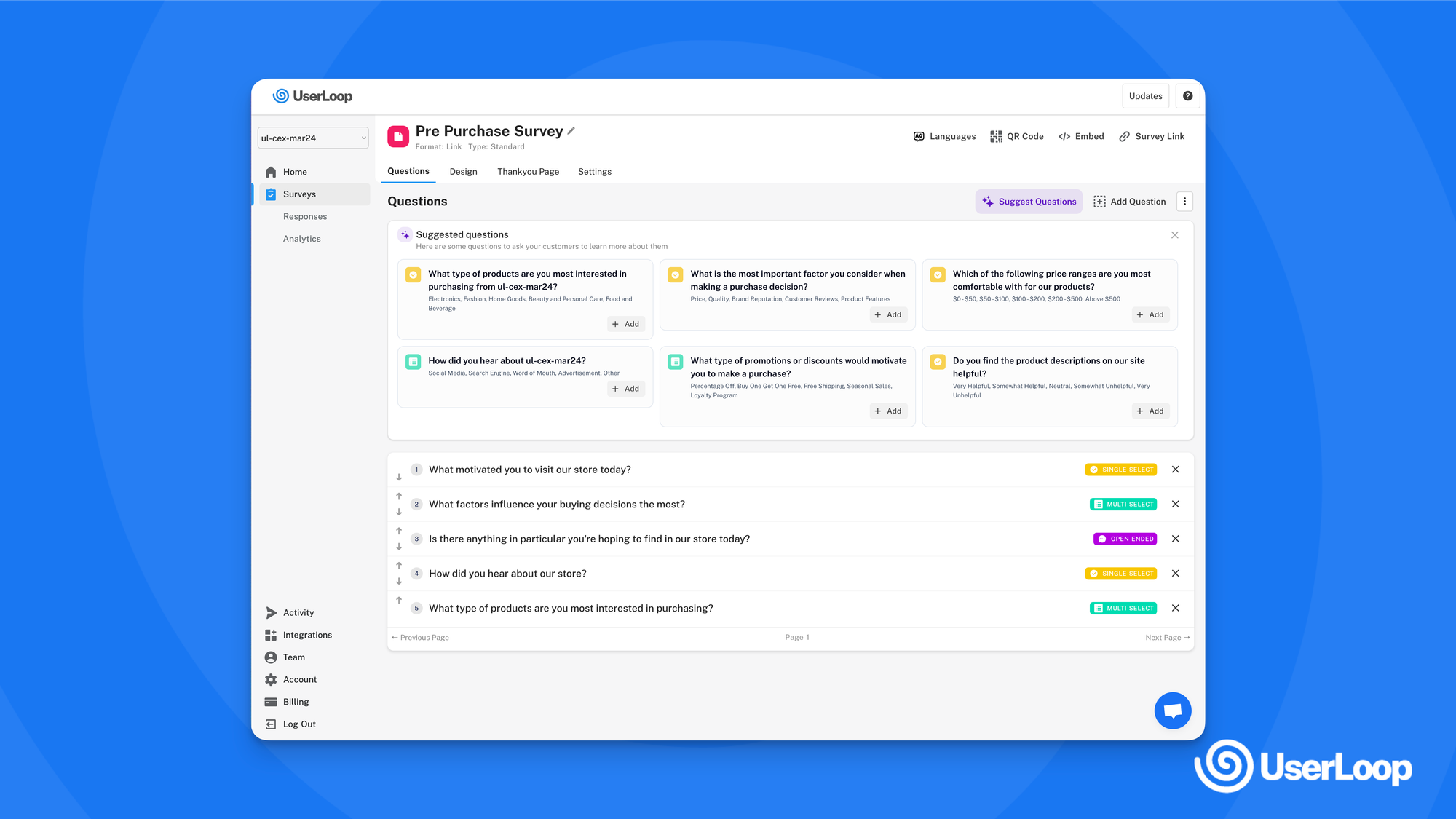
We'll uncover the factors influencing consumer choices, compare online and in-store shopping preferences, and examine the impact of customer reviews on purchasing decisions. You'll also discover intriguing statistics on online shopping frequency, spending patterns, and how sustainability concerns are shaping the way people shop. So, buckle up for an exciting journey through the world of digital retail!
Consumer Research Habits
Pre-Purchase Online Research
When you're gearing up to make an online purchase, you're not alone in doing your homework first. Pre-purchase information search is a crucial part of how you make decisions and behave as a consumer . It's fascinating to see how this process has evolved in the digital age!
You might find yourself using a mix of traditional offline sources and online resources when you're shopping on the internet .
This blend of old and new is pretty common, showing that even in our digital world, we haven't completely abandoned traditional ways of gathering information.
Interestingly, your choice of information sources might depend on what you're buying.
Are you after something fun and exciting, or more practical and useful? The type of product can influence where you look for information . For instance, you might rely more on user reviews for a gadget, but prefer expert opinions for a household appliance.
Price Comparison Behavior
Now, let's talk about one of the most common online shopping habits - price comparison.
You're in good company if you find yourself checking prices across different stores before making a purchase - we all do it!
In fact, a whopping 93% of consumers compare prices online to make sure they're getting the best deal . That's a lot of savvy shoppers!
To help you in your quest for the best price, there are numerous online price comparison tools at your fingertips.
These websites have become increasingly popular, allowing you to easily compare prices for the same product across different stores .
From flight prices on Skyscanner to everyday essentials on Radarprice, there's a comparison tool for just about everything .
But it's not just about finding the lowest price. Many of you are also interested in tracking price changes over time. Tools like CamelCamelCamel and Keepa for Amazon show you how prices have fluctuated, helping you decide if that "deal" is really as good as it seems .
Even tech giants are getting in on the action. Google Shopping, for instance, has implemented its own price comparison system. With just a quick search, you can find information about product availability and shipping costs, making your shopping experience smoother and more efficient .
As a consumer, these tools give you a clear advantage.
They're simple to use, provide instant results, and save you time by eliminating the need to check multiple stores individually . It's no wonder that 82% of online consumers in the United States regularly compare prices before making a purchase.
One of the most popular tools - UserLoop is a leading online survey and customer research platform, it can help you understand these consumer research habits better.
By gathering insights on how customers compare prices and research products, companies can tailor their strategies to meet your needs more effectively. Plus - it's free to start surveying your customers.
Online vs. In-Store Shopping Preferences
Perceived Benefits of Online Shopping
When it comes to online shopping, you're part of a growing trend that's reshaping the retail landscape.
The convenience and ease of browsing from your couch have made online shopping increasingly popular. In fact, 72% of women and 68% of men are now embracing this digital shopping experience .
One of the main draws of online shopping is the ability to compare prices and products effortlessly.
You might be surprised to learn that
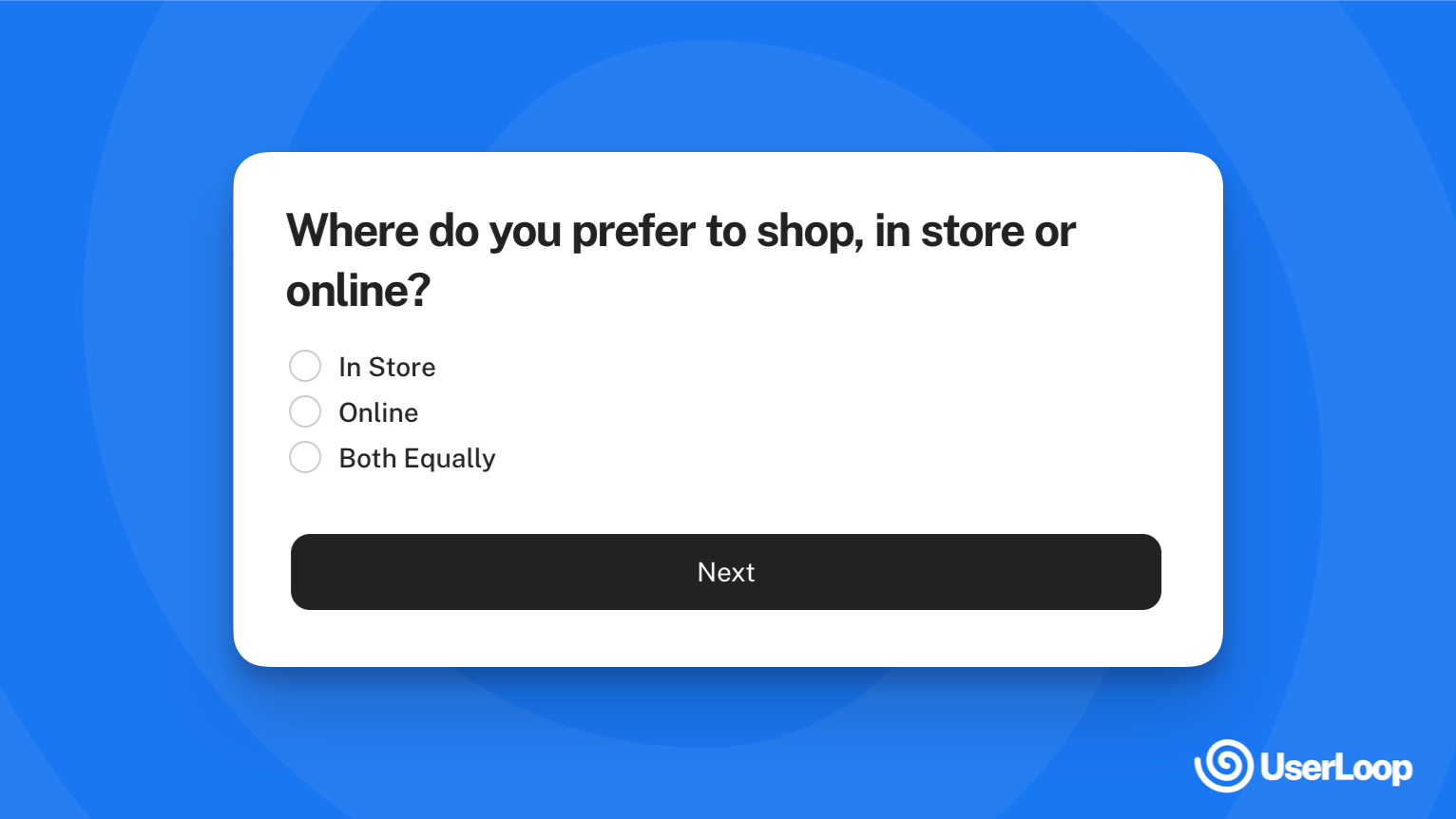
51% of shoppers have changed their minds about which company to buy from after comparing prices online . This highlights how important it is for you to have access to comprehensive product information and competitive pricing.
The desktop experience still reigns supreme for many online shoppers. A whopping 61% of online shoppers rate their desktop shopping experience at 8 or above on a scale of 10 . When it comes to mobile shopping, the experience is catching up, with 54% of mobile web shoppers rating their experience at 8 or above .
What makes a great online shopping experience? For 60% of respondents, easy navigation met or exceeded their expectations on retailers' websites . The ability to quickly find products using search boxes or filters was another top feature that more than half of the respondents appreciated .
Situations Favoring In-Store Shopping
Despite the rise of online shopping, there are still many situations where you might prefer to shop in-store. Let's explore some of these scenarios.
- Trying Before Buying: When it comes to clothing, cosmetics, or big-ticket items like furniture or cars, the ability to see, touch, and try the product can be invaluable . This hands-on experience helps you make more informed decisions about fit, quality, and suitability.
- Immediate Gratification: Sometimes, you just can't wait for shipping. In-store shopping allows you to walk out with your purchase immediately, which can be particularly appealing for last-minute needs or impulse buys .
- Personal Service: A knowledgeable sales associate can provide expert guidance and personalized recommendations, especially in specialized stores . This human touch can enhance your shopping experience and help you make better choices.
- Supporting Local Businesses: Many shoppers are willing to forgo some online conveniences to support their local community . By shopping in-store, you're directly contributing to your local economy.
- Avoiding Shipping Costs: In-store shopping eliminates shipping fees, which can be a significant factor, especially for larger items .
- Family Outings: For those with kids, a trip to the mall can be a fun family activity. It's an experience that online shopping can't replicate .
Remember using a survey tool like UserLoop can help you understand these shopping preferences better. By gathering insights on how your customers choose between online and in-store shopping, companies can tailor their strategies to meet your needs more effectively.
Role of Customer Reviews in Purchase Decisions
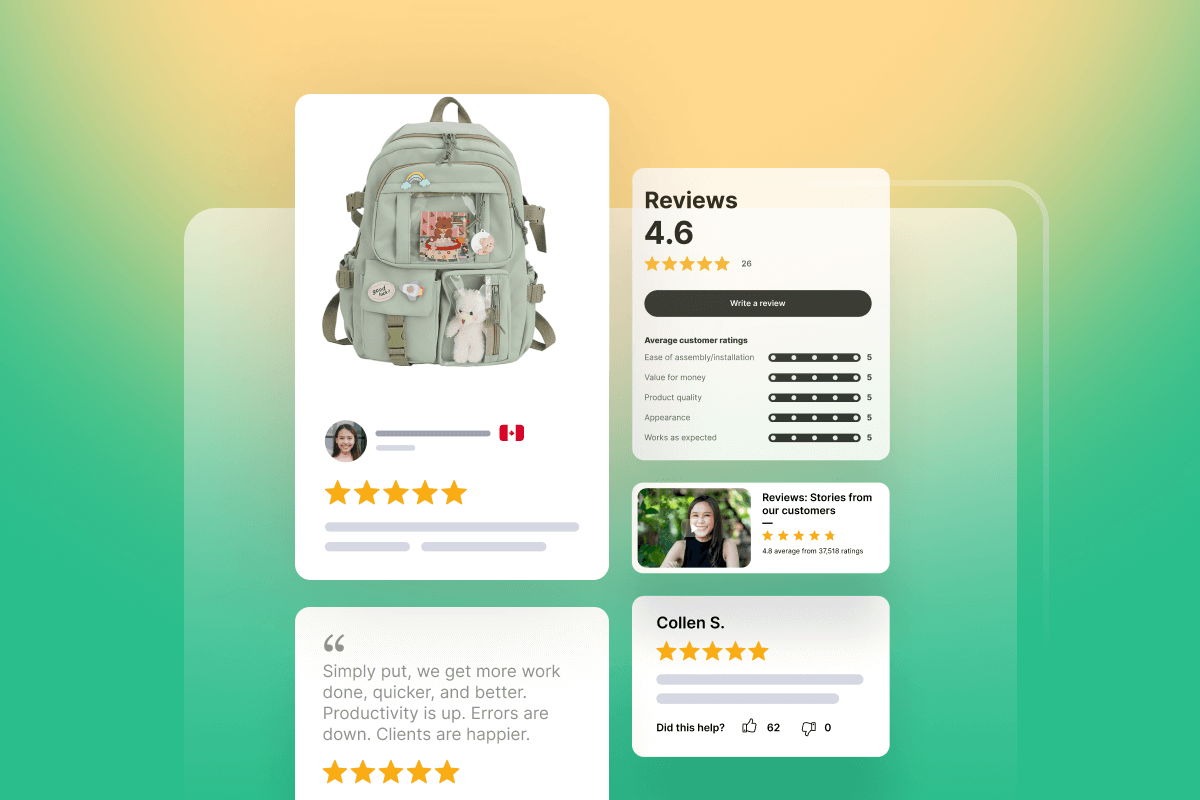
When you're shopping online, customer reviews play a crucial role in shaping your buying decisions. Let's dive into how these reviews impact your trust and your reading habits.
Impact on Consumer Trust
You're not alone in relying on reviews to guide your purchases. In fact, a whopping 93% of consumers say online reviews affect their shopping choices . These reviews have become a major factor in how you evaluate products before buying .
Interestingly, you might find yourself paying more attention to negative comments than positive ones. This is especially true if you're a woman shopper . It's part of a phenomenon known as "negative deviation," where a single-star rating tends to have a stronger influence on your buying tendencies than a five-star rating .
But here's something to keep in mind: the type of product you're buying can influence how much you trust those reviews. For instance:
- High star ratings generally seem more trustworthy and reliable to you .
- Video-based reviews often come across as more trustworthy than text-based ones .
- Image-based reviews help you understand "experience goods" (products you need to use to evaluate) better than "search goods" (products with easily comparable features) .
Review Reading Habits
You might be surprised to learn just how common it is to read reviews before making a purchase. Here are some eye-opening statistics:
- 82% of consumers read product reviews before making shopping choices .
- 60% of shoppers refer to comments every week .
- You're likely to spend more time looking at reviews when purchasing experience goods compared to search goods .
When it comes to your review reading habits, here's what research has found:
- You tend to pay more attention to negative reviews, especially if you're a female shopper .
- If you're male, you might spend more time and cognitive effort on positive reviews .
- Your visual browsing behavior of reviews is significantly correlated with your purchase intention .
Interestingly, the way you interact with reviews can vary based on your gender. For women, there's a significant correlation between the type of comments that attract more interest and purchase decisions. However, this correlation isn't as strong for men .
As online shopping continues to grow, you have access to more useful and valuable product reviews . These reviews are evolving too - from simple text to photo and video formats, giving you a more comprehensive understanding of products before you buy .
Remember, UserLoop, as a leading online survey and customer research platform, can help businesses understand these review reading habits better. By gathering insights on how customers interact with and are influenced by reviews, companies can tailor their strategies to meet your needs more effectively.
Online Shopping Frequency and Spending Patterns
Average Monthly Spend
You might be surprised to learn how much you're actually spending on online shopping each month. While the average American thinks they spend about $628 monthly, the reality is a bit different. When asked to check their credit card and bank statements, they found they're actually spending around $513 a month on online purchases .
So, what are you buying? Here's a breakdown of the average monthly spending on various categories:
- Food and beverages: $167
- Clothes: $105
- Consumer electronics: $94
- Shoes: $80
- Self-care: $53
- Home goods: $46
These numbers show that food and beverage orders, including groceries, meal delivery services, and takeout, account for the largest portion of most Americans' online shopping spending .
On a yearly basis, the average amount spent on online shopping is estimated to be around $1,000. However, keep in mind that this figure varies across different age groups, income levels, and demographics .
Frequency of Purchases
Online shopping has become a regular part of many people's lives. In fact, 3 in 5 Americans do 50% or more of their shopping online . Let's take a closer look at how often people are making online purchases:
- 41% of online shoppers in the United States purchase once or twice a week
- 24% shop once every two weeks
- 20% make purchases once a month
- 16% shop online once every few months
Interestingly, a poll by NPR and Marist found that:
- 25% of American adults shop online at least once per month
- 16% shop at least once per week
- Only 2% shop online every day
When it comes to global comparisons, the United States leads in online shopping frequency. The UK follows closely, with 27% of consumers shopping online at least once per week. Other countries with high online shopping frequencies include Mexico, Canada, and Australia, each at 22% .
It's worth noting that online shopping habits saw a significant shift during the COVID-19 pandemic. There was a 25% overall increase in ecommerce sales, with the number of online orders in the U.S. increasing by 55% . At the peak of the pandemic, 61% of consumer spending took place online, compared to just 45% before the pandemic .
As a leading online survey and customer research platform, UserLoop can help businesses understand these online shopping trends better. By gathering insights on consumer spending habits and purchase frequencies, companies can tailor their strategies to meet your needs more effectively.
Sustainability and Ethical Considerations
Consumer Awareness
You might be surprised to learn how much sustainability and ethical considerations are shaping the world of online shopping. As a consumer, you're part of a growing trend that's putting pressure on companies to be more environmentally and socially responsible.
In fact, a 2020 McKinsey US consumer sentiment survey found that more than 60% of respondents were willing to pay more for products with sustainable packaging .
But it's not just about packaging. A recent study by NielsenIQ revealed that 78% of US consumers consider a sustainable lifestyle important to them .
This shift in consumer mindset is having a real impact on the market. Over a five-year period, products making environmental, social, and governance (ESG) related claims accounted for 56% of all growth - that's about 18% more than expected given their initial market position .
Impact on Purchase Decisions
So, how does this awareness translate into your shopping habits? Well, it turns out that you and your fellow consumers are increasingly backing up your stated preferences with your wallets. Products making ESG-related claims averaged 28% cumulative growth over a five-year period, compared to 20% for products without such claims .
Interestingly, this trend isn't limited to any specific demographic. While higher-income households, urban and suburban residents, and families with children are more likely to buy products with ESG-related claims, the appeal is widespread. There's only about a 15% deviation across different demographic groups when it comes to buying environmentally and socially conscious products .
But here's where it gets really interesting. Your desire for sustainable and ethical products isn't just affecting your choice of brands. It's also influencing your loyalty. Brands that get more than half of their sales from products with ESG-related claims enjoy higher repeat purchase rates. These brands see 32% to 34% of their customers buying from them three or more times annually, compared to under 30% for brands with fewer ESG-related products .
However, it's not all smooth sailing in the world of ethical online shopping. The internet can be a breeding ground for unethical behaviors, with issues like false testimonials, deceptive advertisements, and undisclosed product information becoming more common as online transactions increase . This has led to a rise in perceived risk among consumers like you, creating hesitation in online shopping decisions .
To address these concerns, online retailers are focusing on building trust through ethical practices. They're recognizing that consumers who perceive positive ethical behaviors are more likely to make repeat purchases . As a result, many companies are now using "ethical" labels as a means of product differentiation .
Your role in this ethical shopping landscape is crucial. By choosing brands that align with your values, you're essentially voting with your wallet. In fact, 90% of US survey respondents indicated they would boycott a brand if they discovered irresponsible business practices . Moreover, 56% of US consumers say they would stop doing business with companies they believe to be unethical .
As UserLoop, a leading online survey and customer research platform, can attest, understanding these consumer trends is vital for businesses looking to meet your evolving needs and expectations in the ethical online shopping space.
Conclusion
The world of online shopping is constantly evolving, with consumer behavior shaping the landscape of e-commerce. From research habits to sustainability concerns, shoppers are becoming more informed and conscious about their purchases. This shift has a significant impact on how businesses approach their online strategies, forcing them to adapt to meet changing customer expectations.
As we've seen, the role of customer reviews, price comparisons, and ethical considerations all play a part in shaping buying decisions. These insights are invaluable to companies looking to improve their online presence and customer experience. UserLoop, as a leading online survey and customer research platform, can help businesses gather and analyze this crucial data, enabling them to stay ahead in the competitive e-commerce market and better serve their customers' needs.
FAQs
1. How does online shopping influence the behavior of consumers?
Online shopping significantly influences consumer behavior by providing unparalleled convenience. This modern retail environment allows for an 'always on' shopping experience, enabling consumers to shop continuously and discover new products at any time.
2. What methods are used to assess consumer behavior in online shopping?
To measure consumer behavior towards online shopping effectively, several methods can be utilized:
- Post Purchase Surveys like UserLoop
- Structured Research Tasks
- Digital Customer Satisfaction Tracking
- Digital Consumer Panels
- Social Media Monitoring
3. How can one conduct an analysis of online consumer behavior?
Analyzing online consumer behavior involves several steps:
- Define your customer segments.
- Collect both qualitative and quantitative data regarding customer behaviors.
- Analyze the data to gain insights into consumer behavior.
- Modify the customer journey and experience to enhance customer lifetime value.
4. Do online reviews significantly affect consumer purchasing decisions?
Yes, online reviews play a crucial role in influencing consumer purchasing decisions. A significant 93% of consumers admit that online reviews affect their decisions, as these reviews provide valuable insights and information about products or services before making a purchase.


The agentic growth toolkit for Shopify
Ask your customers anything
UserLoop talks to your customers at scale with surveys and contests that feed one AI-queryable dataset. AI does the setup and the analysis.
- SurveysFind out why customers buy: checkout, email, link & QR.
- ContestsGiveaways that grow your list and social following.
Free plans on both apps · live in minutes