

Back to the library
Free planning resourceBuilt for Shopify merchants

Outdoor brand marketing playbook

Activity, spec doubt, season windows, and adventure photos: how Shopify outdoor brands grow, with the survey questions and campaigns for each one.

  • Practical examples
  • Implementation checklist
  • No signup required
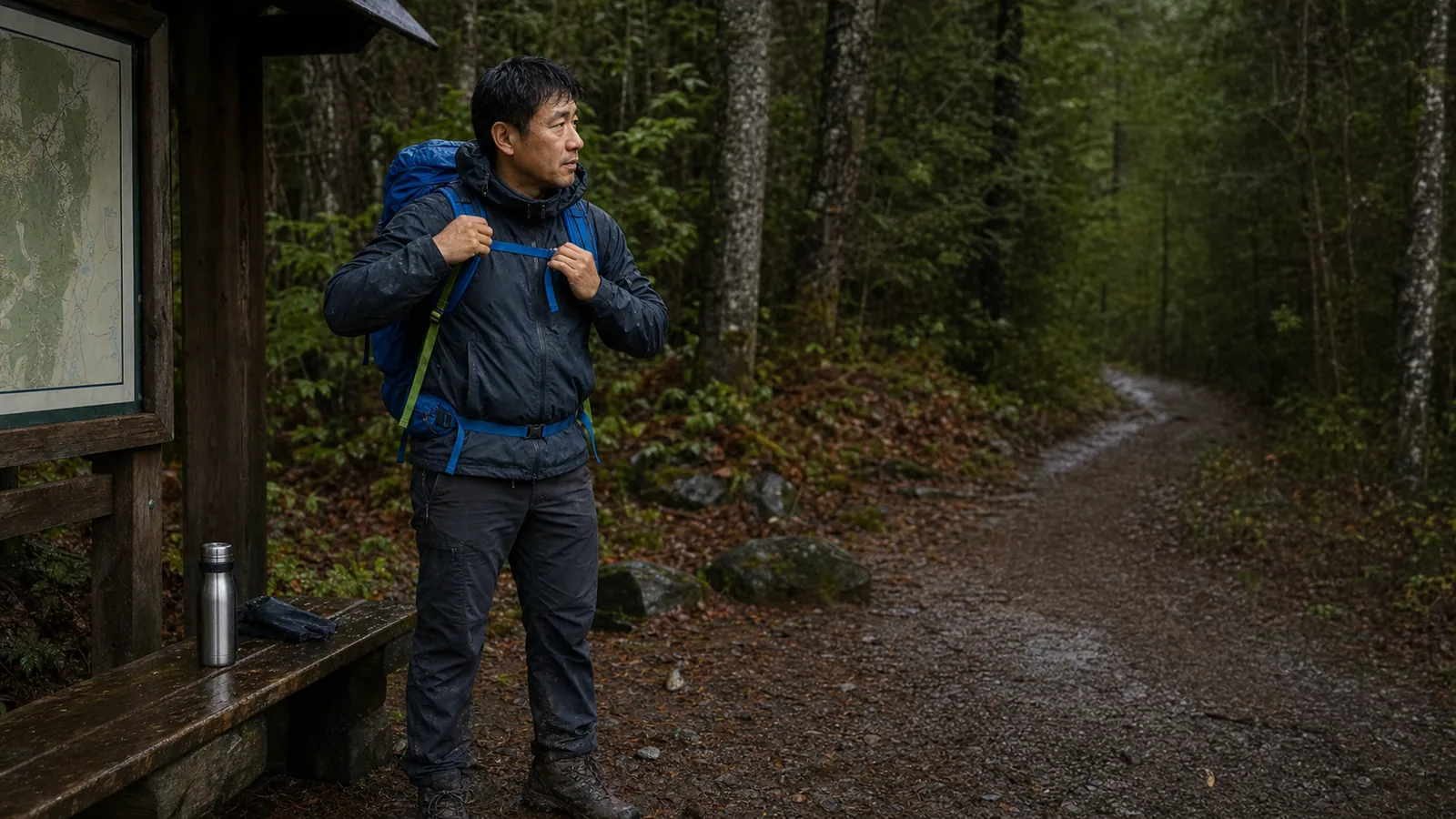
Outdoor brand marketing playbook: outdoors Shopify merchant lifestyle scene

Outdoor customers do not sort themselves by age or postcode. They sort themselves by what they do on Saturday. A trail runner and a car camper can look identical in your analytics and want a different product, a different season, a different price ceiling, and a different photograph. One question fixes that, and almost nobody asks it.

This playbook is written for Shopify stores selling gear: bikes, packs, shelters, sleep systems, technical apparel, and the accessories around them. It covers activity segmentation, the spec doubts that stall expensive orders, the replacement cycles that decide when to email, and the photo campaigns that supply proof no studio can shoot.

All of it is free to copy. When you want the answers attached to real Shopify orders, so activity and order value can be read together, Surveys and Contests each install in a few minutes.

James Devonport
Outdoor gear spreads through group chats and trailheads, not attribution pixels. Ask buyers who introduced them to you and the marketing plan writes itself.
James Devonport · Founder, UserLoop
The reality

What actually holds growth back

Demographics tell you nothing about a gear buyer

Two customers, same age, same city, same order value: one is training for an ultra and one is packing a family car for two weekends a year. They need different products, hear different words as reassurance, and buy in different months. Every campaign built on demographics splits the difference and lands short for both.

A single spec can stall a four-figure order

Frame size, pack volume in liters, comfort versus limit temperature ratings, hydrostatic head: the shopper knows these numbers matter and does not know how to compare them across brands. So the cart sits, the tab stays open, and the order goes to whoever explained it in plain language first.

Gear replaces itself on a cycle you cannot see

Boots fail after a couple of seasons, drivetrains wear, a sleeping bag loses loft. Customers know roughly when their kit is due and you do not, so your reorder email arrives eleven months early or two months after they bought elsewhere. The cycle is knowable, but only if you ask.

Reputation is set in clubs, not in your ads

One failed zip discussed in a club WhatsApp group reaches more buyers than a week of paid social. Durability and warranty handling are the marketing in this category, and both are invisible to you until someone posts about them.

Customer journey

The moments that decide repeat business

What you need to learn

  1. Discover

    Which reviewers, clubs, and events actually send buyers?

    The play: Ask where they first heard about the gear, with options that match how this category spreads: a club-mate, a video review, a race expo, a local shop.

    Surveys
  2. First order

    Which spec made them hesitate on an expensive order?

    The play: One open question right after checkout names the spec, and support can settle it before a bike or a shelter is dispatched.

    Surveys
  3. First outings

    Did the gear match the conditions they actually met?

    The play: An email survey a few weeks in, once the kit has been used, catches the gap between what the spec sheet promised and what the weekend delivered.

    Surveys
  4. Season change

    Who is ready to buy when the window opens?

    The play: A season-opener kit giveaway brings last season's buyers back before the weather turns, and email entry means the audience belongs to you.

    Contests
  5. Advocate

    Will they post the photo they were going to take anyway?

    The play: An adventure photo contest collects summit, trailhead, and campsite shots, with reuse rights written into the contest rules from the first entry.

    Contests
Survey plays

What to ask, and when it pays

1

Activity segmentation

When to ask: On the order confirmation page, as the very first question

This is the highest-value tap in the category. Activity decides the season you should email in, the vocabulary that reads as competent, the price ceiling, and which photograph converts. Surveys ties the answer to the order, so you can also see which activities carry your margin and which just carry volume.

Example questions

What will you mainly use this for?

How often do you get out?

What conditions do you use it in?

Get the full question set
2

Spec doubt on high-value orders

When to ask: Immediately after checkout on orders above your average, while the comparison is still fresh

Ask buyers to name the number they were unsure about. One answer is anecdote. Fifty answers naming pack volume is a comparison table you have not built yet. AI analysis in Surveys clusters the open text, and the top three specs usually point at one product page and one missing explanation.

Example questions

Which detail or spec were you unsure about?

Did you compare this against another brand?

What would have made the decision easier?

Get the full question set
3

Replacement and upgrade cycles

When to ask: By email a few weeks after delivery, then again at the end of the season

Customers know the life of their kit better than your analytics ever will. Ask what this replaced and how long the last one lasted, and you get a reorder window per category rather than a guess: boots on one clock, drivetrains on another, shelters on a much slower one.

Example questions

Is this replacing something you already owned?

How long did the last one last?

What is the next piece of kit you plan to buy?

Get the full question set
Campaign ideas

Giveaways that recruit real customers

Season-opener kit giveaway

How it works: Email signup is the entry, with referrals and a social follow as bonus actions. Build the prize as a complete kit for one activity rather than a single item, so entrants sort themselves into the segment you want. The list syncs to Klaviyo ahead of the season launch.

Prize
A full kit for one activity: the pack, the shelter, and the sleep system chosen to work together
Timing
Open three to four weeks before the season window, close on launch day

Adventure photo contest

How it works: Photo upload is the entry: your gear in real conditions on a real day out. Following and referring are the bonus actions. Reuse rights in the rules mean a shot of your shelter in a storm can go straight onto the product page as evidence for the rating printed on it.

Prize
Gear credit for the winner, with the shortlist featured across your channels and product pages
Timing
The last two weeks of the season, when camera rolls are full and the weather has already tested everything

Club referral drive

How it works: Referring a friend is the entry action, and each verified referral adds entries. Gear recommendations already travel through clubs, training groups, and Sunday ride threads, so this campaign follows a path that exists instead of building a new one.

Prize
Kit for the winner and matching kit for the club-mate who was referred
Timing
Four weeks in pre-season, while clubs are recruiting and training blocks are starting
The sequence

From install to compounding loop

  1. 1

    Week 1: activity first, spec doubt second

    Install Surveys and put two questions on the order confirmation page: what the gear is mainly for, and which spec caused hesitation. The first sorts your whole database, the second builds a to-do list for your product pages.

  2. 2

    Weeks 2 to 4: count the named specs

    Let the answers accumulate, then count how often each number appears. AI analysis groups the open text for you. The winner is almost never the spec you expected, and it is usually explainable in two sentences and a table.

  3. 3

    Month 2: rewrite the page, then start the photo contest

    Publish the comparison or the plain-language explanation the answers asked for, and launch the adventure photo contest so the same page starts getting the real-conditions images it has always needed.

  4. 4

    Every season: campaign before the weather

    Open the kit giveaway a few weeks ahead of the window, launch the range to that list, then survey after the first outings to catch anything the spec sheet promised and the gear did not deliver.

What to measure

The numbers that tell you it is working

Order value by primary activity

Activities carry very different budgets. The mix tells you which one deserves the next range, the next ad set, and the next photoshoot, and which one is quietly unprofitable.

Named-spec frequency

Count how often each spec appears in the hesitation answers. The most-named number is the next page you rewrite, and the count is the size of the prize for rewriting it.

Durability complaints per hundred units, by line

In a category where clubs compare notes, a failing zip or bearing spreads faster than any campaign. Per-line counts turn that risk into a supplier conversation while it is still small.

Reorder window by product category

Boots, drivetrains, and shelters wear out on completely different clocks. Knowing the real interval decides when the email lands, and it is rarely next month.

Photos usable as product-page evidence

A shot of your tent in a storm proves a waterproof rating better than the number does. Count frames that show the gear in the conditions you claim, not total entries.

Worked example

How this plays out

The setup

Take a Shopify store selling packs, shelters, and sleeping bags, doing five hundred orders a month, with returns concentrated in sleeping bags and an ad budget split evenly between hiking and camping audiences.

The move

It adds a primary-activity question and an open question about the spec that caused hesitation. Six weeks of answers show most bag returns coming from customers who bought on the comfort rating and camp in the shoulder season, plus a steady stream of confusion about comparing pack volumes between brands.

The payoff

The store publishes a volume comparison table, adds a plain-language note on comfort versus limit ratings to every bag page, and splits its email list by activity so campers stop receiving trail content. The season-opener giveaway builds the launch list, and the photo contest supplies the in-conditions images the bag pages never had.

From the Shopify App Store
User Loop is an exceptional tool for obtaining actionable, data-driven insights to enhance satisfaction and profitability.

Aventon Bikes

5-star Shopify App Store review for Surveys, United States

Mistakes to avoid

Protect the quality of the result

Strong execution usually comes from removing ambiguity and keeping every action tied to the original objective.

Segmenting by demographics when activity is one tap away

Two buyers with the same profile and different sports have nothing in common except the ad set that found them. Ask what they do, then market to that.

Leaving spec doubt to the support inbox

Every question support answers by email is a question the product page could have answered a thousand times. Find the recurring spec, then answer it where the doubt happens.

Emailing the range after the season opens

Buying windows in this category open with the weather. A campaign that lands mid-season is competing with gear the customer already bought from someone faster.

Publishing only sponsored-athlete photography

A pro on a big wall sells nothing to a weekend hiker. The customer photos that convert show ordinary conditions, ordinary skill, and gear that looks used.

Frequently asked questions

Practical answers before you launch

What should an outdoor brand ask after a purchase?

The primary activity, the spec the buyer hesitated over, and whether this replaces something they already owned. Activity decides who they are, the spec names the page you should rewrite, and the replacement answer dates the next order. Three questions, under fifteen seconds.

How should I segment customers for outdoor gear?

By activity, not by age or location. A trail runner and a car camper can share every demographic and still want opposite emails, opposite seasons, and opposite price points. Ask the activity once on the order confirmation page and every list, ad audience, and photo choice afterwards gets sharper.

How do I stop technical specs from blocking big orders?

Ask buyers which spec they were unsure about, in their own words, and let the answers pile up. Frame size, pack volume, temperature rating, and waterproof rating cluster fast. Publish a comparison or a plain-language explanation where the doubt happens, and have support answer the flagged orders before dispatch.

Do photo contests work for outdoor brands?

Better here than in almost any category, because customers already photograph their days out. A photo upload contest asks for a shot they were going to take anyway, and reuse rights in the contest rules turn the entries into product-page evidence and ad creative you own.

When should an outdoor brand run a giveaway?

Before the season, not during it. Open entries a few weeks ahead of the window so the list is built when the buying starts, and use referral bonus actions so the campaign travels the way gear recommendations already travel: through clubs, training groups, and group chats.

Keep planning

Related playbooks and templates

Browse the complete library

Turn the plan into a live Shopify campaign

Collect useful customer insight with Surveys and grow your audience with Contests.