

Back to the library
Free planning resourceBuilt for Shopify merchants

Clothing brand marketing playbook

Fit, attribution, drops, and customer photos: the levers that grow a Shopify clothing brand, with survey questions and giveaway campaigns ready to run.

  • Practical examples
  • Implementation checklist
  • No signup required
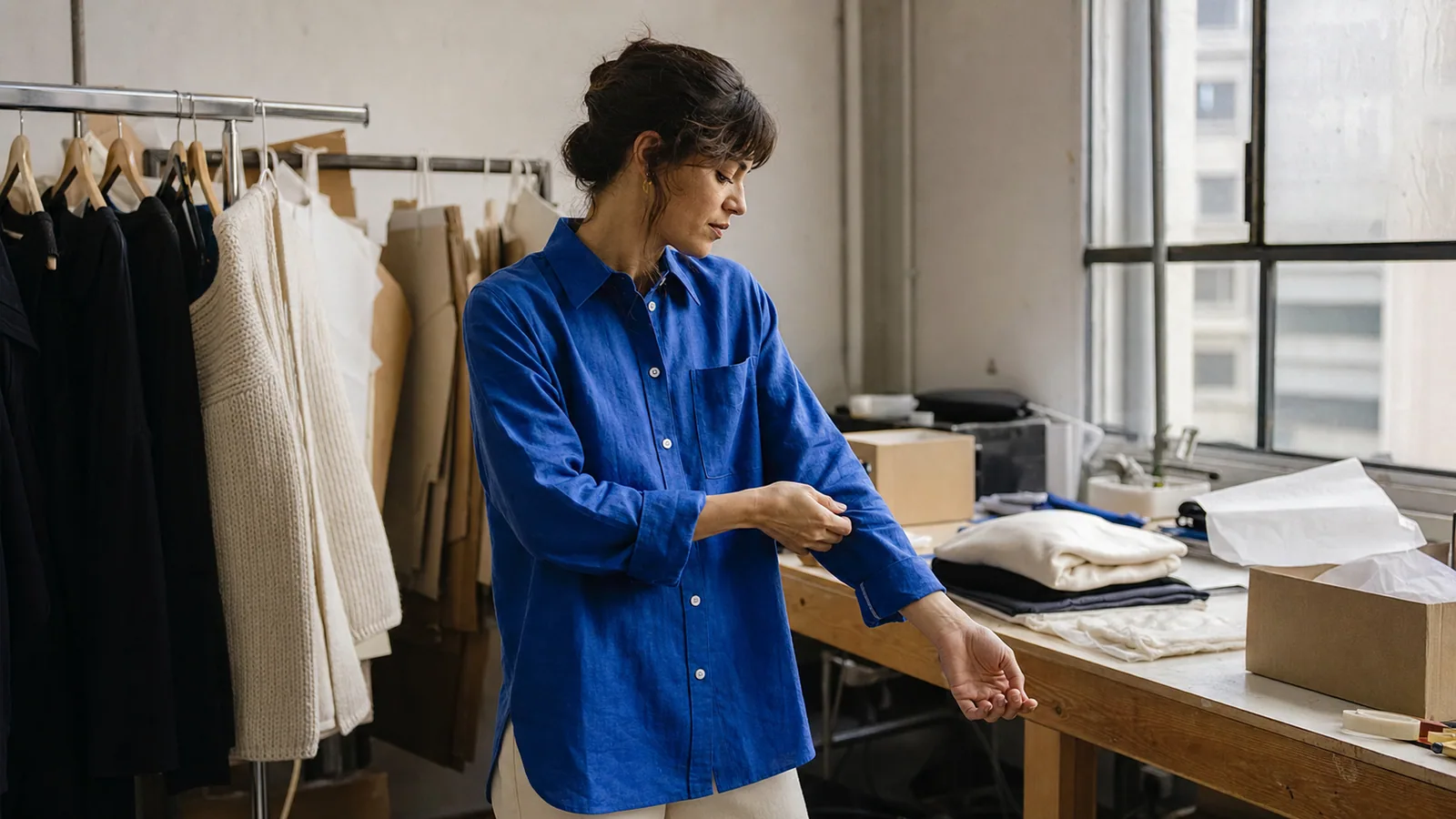
Clothing brand marketing playbook: Independent fashion merchant preparing a new apparel collection in a working studio

Marketing a clothing brand comes down to four questions. Do shoppers trust your fit enough to order? Which channels and creators actually send buyers? Does each collection launch to a warm audience or a cold one? And do customers ever show your clothes to anyone else? Everything else, ads included, works better once you can answer those four.

This playbook is written for Shopify apparel brands: womenswear, menswear, streetwear, and basics alike. It gives you the survey questions that expose fit doubt and real discovery channels, the giveaway campaigns that build drop-day audiences and photo libraries, and the order to run them in.

Everything on this page works without an account. When you want answers tied to real Shopify orders, Surveys and Contests each install in a few minutes.

James Devonport
Apparel founders keep asking me about ads, and I keep pointing at returns. A month of fit-confidence answers at checkout usually explains more margin than a quarter of media testing.
James Devonport · Founder, UserLoop
The reality

What actually holds growth back

Returns are a fit-data problem

Online apparel return rates run far above the ecommerce average, and sizing doubt is the biggest driver. Shoppers bracket sizes because they cannot try before buying, and every ordered-two-to-try basket books margin loss in advance. A returns policy handles the symptom; fit data at the point of order treats the cause.

Last-click hides where fashion demand starts

Clothing is discovered on feeds and on bodies: a creator's try-on, a friend's jacket, a TikTok that never gets clicked. Analytics credits the branded search that happens days later, so paid search looks heroic and the creator budget looks optional. Spend follows the wrong line.

Every drop is an inventory bet

Minimum order quantities force you to commit to styles, colors, and a size curve months before customers vote with their wallets. Guess wrong and the season ends in markdowns. The cheapest demand signal available is asking recent buyers what they wanted and could not find.

You need photos you are allowed to use

Real customers in real outfits outsell studio shots in ads and on product pages, but collecting usable, rights-cleared photos one DM at a time does not scale. Without a system, your best marketing asset stays in customers' camera rolls.

Customer journey

The moments that decide repeat business

What you need to learn

  1. Discover

    Which channels and creators send buyers, not just traffic?

    The play: Ask every new customer where they first saw you, with answer options that match how fashion spreads: TikTok, a specific creator, a friend wearing it.

    Surveys
  2. First order

    Is the shopper sure about their size, or already planning a return?

    The play: A one-question fit-confidence check on the order confirmation page flags doubtful orders while there is still time to help.

    Surveys
  3. Delivery and first wear

    Did it fit, and would they say so in a review?

    The play: An email survey a few days after delivery captures fit reality per product line and routes happy customers toward reviews.

    Surveys
  4. Repeat

    What should the next drop include, and who is waiting for it?

    The play: Pre-launch waitlist giveaways turn the next collection into a list-building event and a demand test at the same time.

    Contests
  5. Advocate

    Will customers show your clothes to their audience?

    The play: A style-showcase photo contest pays customers in credit for the photos your ads and product pages need.

    Contests
Survey plays

What to ask, and when it pays

1

Fit confidence and sizing

When to ask: On the order confirmation page, while the order is still being packed

One question tells you which orders are already at risk of coming back. Segment the answers by product line: a denim line where a third of buyers hedge on size has a size-guide problem, not a customer problem. Route the doubtful answers to support for a proactive size check before dispatch.

Example questions

How confident are you that the size you ordered will fit?

Did you check the size guide before ordering?

Did you order more than one size to try?

Get the full question set
2

Discovery and attribution

When to ask: Right after checkout, while the purchase story is fresh

Self-reported discovery consistently contradicts last-click reports for apparel, because feeds and friends do the selling long before search does. Ask, then compare the answer mix with where the budget goes. Surveys ties each answer to order value, so you can also see which channels send full-price buyers and which send discount hunters.

Example questions

Where did you first come across us?

Which creator or account was it?

What convinced you to order today?

Get the full question set
3

Assortment and next-drop demand

When to ask: By email, two to three weeks after delivery, once the piece has been worn

Buyers who already wear your clothes are the cheapest trend research you will ever run. Ask what they wanted and could not find, then take the answers into the next buying meeting alongside sell-through data. AI analysis in Surveys summarizes the open text, so four hundred answers read like one memo.

Example questions

What would you like us to stock more of?

Was there a color or size you wanted but could not find?

How does this piece fit into your wardrobe?

Get the full question set
Campaign ideas

Giveaways that recruit real customers

Style showcase photo contest

How it works: Customers upload a photo wearing your pieces. Photo upload is the entry; following on Instagram and referring a friend are bonus actions. Reuse rights sit in the contest rules, so every entry becomes an asset you can publish.

Prize
Seasonal wardrobe credit for the winner, a feature on your channels for finalists
Timing
Two weeks in mid-season, once customers have worn the collection enough to style it

Drop waitlist giveaway

How it works: Entry is joining the launch list, with bonus entries for referrals. The entry count doubles as a demand test for the drop, and the list syncs to Klaviyo for launch-day email and SMS.

Prize
First pick of the new collection plus store credit for one winner
Timing
Open one to two weeks before each collection drop, close at launch

Tag-a-friend seasonal giveaway

How it works: Instagram follow and a comment tagging a friend as the entry, with email signup as a bonus action so the audience you build is owned, not rented. Contests verifies entries and picks the winner for you.

Prize
Your hero piece in the winner's choice of size and color
Timing
Timed to gifting peaks: holidays, back to school, or your biggest seasonal collection
The sequence

From install to compounding loop

  1. 1

    Week 1: turn on the two revealing questions

    Install Surveys and launch fit confidence plus discovery on the order confirmation page. Two questions, under ten seconds to answer, shown while goodwill is at its peak.

  2. 2

    Weeks 2 to 4: read answers next to orders

    Let responses accumulate, then read them by product line and order value. Find your worst fit offender and your most undercounted channel. Both usually surprise.

  3. 3

    Month 2: fix one thing, launch one campaign

    Rewrite the size guidance for the offending line, then launch the style-showcase contest so the returns fix and the photo engine start compounding together.

  4. 4

    Every drop after: campaign, then collection

    Run the waitlist giveaway ahead of each drop, launch to that list, then ask post-delivery what was missing. Each collection starts warmer than the last one did.

What to measure

The numbers that tell you it is working

Return rate by product line

The store-wide number hides the problem. One line usually drives the damage, and that is where new size guidance pays back first.

Fit-confidence share at checkout

The percentage answering 'very confident' is a leading indicator: it moves weeks before the returns report does.

Self-reported discovery mix

Compare where customers say they found you against where the budget goes. The gap between the two is your cheapest growth lever.

Repeat purchase rate within 90 days

Wardrobes are built in seasons. If second orders are not landing within one, your lifecycle email has a gap where a habit should be.

Rights-cleared photos per campaign

Count usable assets, not entries. Fifty entries yielding twenty publishable photos beats five hundred tag-a-friend comments.

Worked example

How this plays out

The setup

Take a womenswear brand doing a thousand orders a month, with denim returns running well above the rest of the store and a paid social budget split evenly across channels.

The move

It adds the fit-confidence and discovery questions at checkout. A month of answers shows a quarter of denim buyers sizing up because reviews say the fit runs small, and far more buyers naming TikTok creators than the ad reports suggest.

The payoff

The brand rewrites the denim size guide with model height and fit notes, answers sizing questions directly in its review replies, and moves budget toward the creators customers actually named. The next drop launches to a waitlist built by giveaway instead of a cold audience.

From the Shopify App Store
Such a useful app. Very easy to install. The customer service is exceptional, staff are super helpful and got back to me almost immediately.

THEBLACKWARDROBE.COM

5-star Shopify App Store review for Surveys, United Kingdom

Mistakes to avoid

Protect the quality of the result

Strong execution usually comes from removing ambiguity and keeping every action tied to the original objective.

Asking about fit weeks after delivery

Fit memory fades fast, and by then the returns are already booked. Ask confidence at checkout and reality within a week of delivery.

One size chart for every line

Denim, knitwear, and outerwear fit differently. Per-line guidance is more work once, and fewer returns forever.

Prizes that attract sweepers, not shoppers

Cash and gadgets fill your list with people who will never buy clothes from you. A hero piece in the winner's own size only attracts your customer.

Collecting photos without collecting rights

A reposted photo without usage terms is a takedown request waiting to happen. Put reuse rights in the contest rules from the first entry.

Frequently asked questions

Practical answers before you launch

What should a clothing brand ask in a post-purchase survey?

Three things: how confident the buyer is about fit, where they first discovered you, and what nearly stopped the order. Keep it under five questions. Fit confidence catches returns before dispatch, discovery corrects your channel spend, and the blocker question hands you conversion fixes in customer language.

How do surveys reduce clothing returns?

They locate the cause. When buyers tell you at checkout that they sized up because of reviews, or hedged between two sizes, you can fix the size guide, add fit notes per line, and have support offer a size check before dispatch. Returns fall because doubt falls, not because the policy tightened.

Do giveaways work for fashion brands, or do they just attract freebie hunters?

The prize decides. Store credit and hero-piece prizes only appeal to people who want to wear your brand, while cash or gadget prizes attract sweepstake hunters who unsubscribe at the first email. Add email entry and referral bonus actions so each campaign grows an audience you own.

When is the best time to survey a clothing customer?

Twice. On the order confirmation page for discovery and fit intent, while motivation is highest, then by email a few days after delivery for fit reality and review routing. Surveys runs both from one install and ties every answer to the Shopify order.

Can I grow a clothing brand without discounting?

Contests are the alternative pressure valve. A giveaway creates urgency and list growth without teaching customers to wait for 20 percent off, and a credit prize costs margin only when it is redeemed. Pair that with fit fixes that cut returns and you protect margin from both ends.

Keep planning

Related playbooks and templates

Browse the complete library

Turn the plan into a live Shopify campaign

Collect useful customer insight with Surveys and grow your audience with Contests.