

Back to the library
Free planning resourceBuilt for Shopify merchants

Food and beverage marketing playbook

Flavor, dietary needs, and arrival condition decide repeat orders for a Shopify food brand. Survey questions and giveaway campaigns ready to run.

  • Practical examples
  • Implementation checklist
  • No signup required
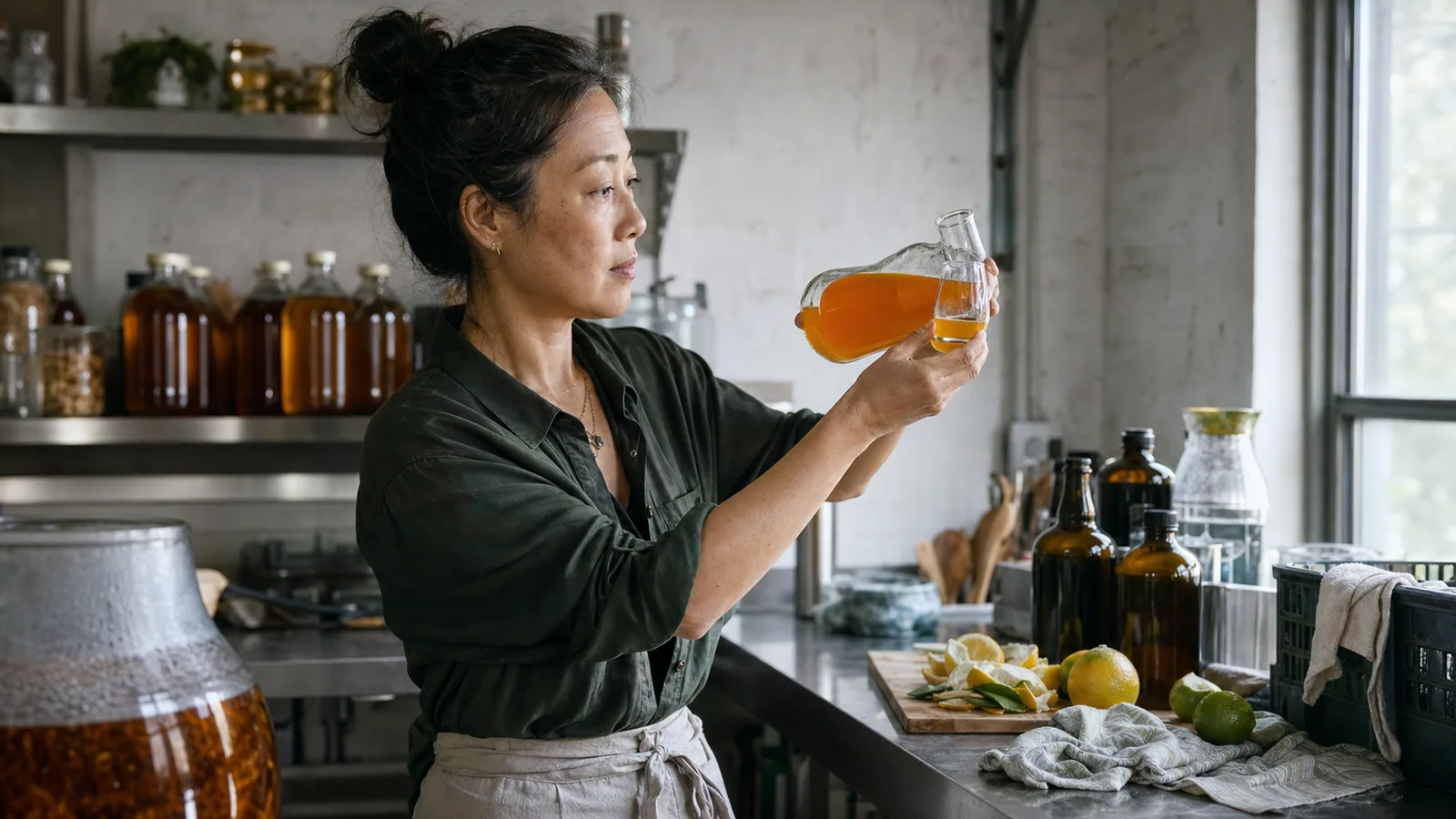
Food and beverage marketing playbook: food Shopify merchant lifestyle scene

Selling food and drink online means asking someone to pay for a taste they cannot try first. Everything else follows from that. It is why the first order is the hardest one you will ever sell, why a sampler outsells a single flavor at the same ad spend, why one leaking bottle costs far more than the bottle, and why the customers who love you have nothing left to photograph a week later.

This playbook is written for Shopify food and beverage brands: coffee and tea, snacks, sauces, chocolate, and small-batch drinks. It gives you the survey questions that name the winning flavor and the losing one, the campaigns that build a list before your gifting peak, and the order to run them in.

You can copy every question on this page without an account. When you want the answers attached to real Shopify orders, so a flavor verdict sits next to the pack it came from, Surveys and Contests each install in a few minutes.

James Devonport
Taste is the one thing a product page cannot prove. The food brands that grow ask which flavor won the first box, then give the loser's shelf space to the winner.
James Devonport · Founder, UserLoop
The reality

What actually holds growth back

The first order is all risk, and none of it is returnable

Nobody sends back a half-eaten bag. A shopper who guesses wrong about your hot sauce has bought a bottle they will not finish, and they price that risk in before they click. Sampler packs and variety bundles exist to move that risk down, which is why they convert. What they do not do is tell you which flavor earned the reorder and which one is still in the cupboard.

Dietary needs are an identity, not a preference

Someone shopping gluten-free is not browsing, they are checking whether you are safe to eat. Vegan, keto, dairy-free, and nut-free buyers arrive with the filter already applied, and they tend to stay once you pass, because switching means starting the label reading over. Give each one its own answer option and its own segment. A single 'what matters to you' checkbox flattens the exact thing they came to find out.

Your product can arrive melted, leaking, or stale

Chocolate in July, a cracked seal, a bag of chips that arrives as crumbs, coffee dated closer than the customer expected. Very little else in ecommerce fails this way in transit, and damage feedback that surfaces in a quarterly review is archaeology: a whole season has already shipped in the same box. You need arrival condition weekly through the warm months, while a packing change still helps someone.

Consumables run out on a clock you cannot see

Shopify records when someone reordered. It does not record when they ran out, whether they topped up at the supermarket in between, or whether the bag is feeding one person or five. Get that gap wrong by a week and your reminder arrives after the grocery shelf has already taken the reorder.

Customer journey

The moments that decide repeat business

What you need to learn

  1. Discover

    Which channels bring people who order a second time?

    The play: Ask new customers where they first came across you, with options that match how food spreads: a friend's kitchen, a market stall, a recipe video, a gift box.

    Surveys
  2. First order

    Is this a cautious taster order or a committed one?

    The play: On the order confirmation page, ask who the order is for. Gift buyers, households, and cafes testing you all need a different second email.

    Surveys
  3. First taste

    Did it arrive intact, and did the flavor land?

    The play: An email a few days after delivery captures arrival condition and the flavor verdict, while the pack is open and the memory is still exact.

    Surveys
  4. Reorder

    What brings them back before the jar is empty?

    The play: Print a code on the pack and run a draw only buyers can enter. Secret-code entry rewards people already paying you and reaches the ones who found you on a shelf.

    Contests
  5. Advocate

    Will anyone photograph something they ate?

    The play: A recipe and pairing photo contest gives a consumable a reason to be photographed, and gives your product pages the answer to 'what do I actually do with this'.

    Contests
Survey plays

What to ask, and when it pays

1

Flavor verdicts from variety packs

When to ask: By email, seven to ten days after delivery, once every pack in the box has been opened

A sampler sells the first order and then hides the result. Revenue says the box sold, not which sachet went untouched. Ask which one they would buy on its own and which they would leave out, then read the answers by pack, since Surveys ties every response to the Shopify order behind it. AI analysis clusters the open text, so three hundred people saying 'too sweet' arrive as one line instead of three hundred.

Example questions

Which flavor would you order again on its own?

Which one would you leave out of the next box?

How would you describe the taste to someone who has not tried it?

Get the full question set
2

Dietary needs and the household behind the order

When to ask: On the order confirmation page, before the first follow-up email is scheduled

Two facts change every message you send afterwards: what the customer cannot eat, and how many people they are feeding. A gluten-free household wants the certification, not the recipe roundup. A five-person household wants the larger format and the better price per serving, and will empty it three times faster. Both answers take one tap and both outlive the order they came from.

Example questions

Do any dietary needs affect what you buy from us?

How many people will be eating this?

What were you buying before you found us?

Get the full question set
3

Arrival condition, read weekly

When to ask: By email, two to three days after delivery, while the packaging is still by the bin

Give people the failures by name: melted, leaking, crushed, seal broken, dated closer than expected. Named options get answered where a star rating gets skipped, and the answers group into causes you can act on: one summer route, one carrier, one box that is an insert short. Watch them weekly from the first warm week to the last, and reach the customer before the review appears.

Example questions

What condition did your order arrive in?

How did the packaging hold up in transit?

If something arrived damaged, what happened to it?

Get the full question set
Campaign ideas

Giveaways that recruit real customers

Full range variety box sweepstakes

How it works: Email signup is the entry, with referrals and a social follow as bonus actions that multiply entries. The prize does the filtering: one of everything you make appeals only to someone who wants to taste your range, which is the same person who buys the sampler. The list syncs to Klaviyo before the season opens.

Prize
One of every flavor in a single box for the winner, a two-flavor pack for runners-up
Timing
Four to six weeks before your gifting peak, so the list is warm when the season starts

Recipe and pairing photo contest

How it works: Photo upload is the entry: what they cooked with it, what they poured alongside it, how it ended up on the table. Reuse rights sit in the contest rules, so entries become product page content that answers the objection you cannot answer yourself, which is what to do with an ingredient someone has never cooked with.

Prize
A restock of the ingredient they cooked with, plus their recipe published under their name
Timing
Three weeks in your quietest month, when there is no launch to talk about

Code on the pack reorder draw

How it works: A code printed on the label or the insert is the entry, so only people holding your product can take part. It reaches customers who bought you in a store and have never given you an email address, and email signup as a bonus action turns them into someone you can reach again.

Prize
A refill of their usual order, drawn once a month
Timing
Run it across one print run, so every pack you ship that season carries the code
The sequence

From install to compounding loop

  1. 1

    Week 1: two questions on the order confirmation page

    Install Surveys, then ask where they first came across you and who the order is for. One tap each, answered while the buyer is still pleased with the decision, and neither one needs the food to have arrived.

  2. 2

    Weeks 2 to 4: add the post-delivery email

    Once you know your usual delivery window, send arrival condition and the flavor verdict a few days after it. Read damage by week and route, and read flavor by pack.

  3. 3

    Month 2: cut a flavor, fix a box, start a photo library

    Retire the flavor nobody names, change the seal or the insert that keeps failing, and launch the recipe photo contest so the pages you are about to rewrite have real food on them.

  4. 4

    Every season after: campaign before the peak, questions after

    Run the variety box sweepstakes six weeks ahead of gifting season, launch to that list, then ask January's new buyers what they would reorder. Each peak starts with a bigger list than the last.

What to measure

The numbers that tell you it is working

Sampler to full-size conversion

The share of variety-pack buyers who come back for a full-size product. If it stays low, your sampler is a discount with extra shipping rather than a trial.

Reorder rate by first flavor

The flavor that wins the first order is not always the one that earns the second. Whichever has the highest reorder rate belongs on the front of the box.

Arrival condition by month

Melt and breakage are seasonal. A store-wide damage number averages July into January and misreports both ends of the year.

Days between orders, by product

Your email calendar, written by customers. Coffee that gets reordered at twenty-four days does not want a reminder on day thirty.

Dietary segment mix

The share of buyers naming gluten-free, vegan, or low sugar decides which claim belongs above the fold and which is small print on the label.

Worked example

How this plays out

The setup

Take a hot sauce brand doing a thousand orders a month, where the five-bottle sampler is the best seller and second orders have been flat for a year.

The move

It adds an arrival-condition question and a flavor verdict to an email sent five days after delivery. Two months of answers show the mildest sauce is the one people finish and reorder, while the hottest is bought as a novelty and rarely repeated, and that a quarter of July orders arrived with a sticky cap.

The payoff

The brand puts the mild sauce on the front of the sampler and at the top of the reorder email, changes the cap seal and adds a summer insert, and prints a code on the box so the people who do reorder are entered in a monthly draw. The next gifting season launches to a list built by giveaway instead of to last year's buyers.

From the Shopify App Store
We've really enjoyed using Userloop for our monthly customer surveys. It's a strong, reliable tool that's become an important part of our feedback process.

Love Me Gluten Free

5-star Shopify App Store review for Surveys, United States

Mistakes to avoid

Protect the quality of the result

Strong execution usually comes from removing ambiguity and keeping every action tied to the original objective.

Asking how it tastes on the day it ships

A survey sent at dispatch measures anticipation. Wait until the pack has been opened, which for a variety box means a week or more after delivery.

One 'dietary preferences' box for every kind of need

Celiac and cutting sugar are not the same customer. One is checking whether you are safe, the other is browsing. Collapse them into one option and you lose both.

Reviewing shipping damage quarterly

By the time the number lands, an entire summer has shipped in the same box. Read arrival condition weekly from the first warm week to the last.

Treating a gift order like a new customer

The person who bought your hamper in December never tasted it. A January reorder prompt is aimed at the wrong household, and it teaches them to ignore you.

Frequently asked questions

Practical answers before you launch

What should a food or drink brand ask in a post-purchase survey?

Four things, split across two moments. At the order confirmation page, ask where they found you and who the order is for. A few days after delivery, ask what condition it arrived in and which flavor they would buy on its own. Taste questions need the pack to be open; discovery and gifting questions do not.

How do I work out which flavors to keep and which to cut?

Ask variety-pack buyers which one they would order on its own, and which they would leave out of the next box. Sell-through only tells you the pack sold, never which sachet is still in the cupboard. Surveys ties each answer to the Shopify order, so you can read the verdict by pack before the next production run is committed.

How quickly should I act on shipping damage feedback?

Weekly through the warm months. Melt, leaks, and crushed packaging cluster by season and by route, so a quarterly review averages July into January and hides both. An arrival-condition question sent two or three days after delivery gives you the packing fix while the season is still running, and lets you reach the customer before the review is written.

Do giveaways work for food and drink brands?

They work when the prize is the product. A box holding one of everything you make appeals only to someone who wants to taste your range, while a cash prize collects people who will never eat your food. Secret-code entry printed on the pack goes further: only customers holding your product can enter, which turns a draw into a reorder prompt.

How do I get more repeat orders on a consumable?

Find out when the pack empties instead of guessing. Ask how long a customer expects it to last, then time the reminder to that answer rather than to a fixed thirty days. Split the list by household size and by whether the order was a gift, because the person who bought a hamper in December never tasted what was in it.

Keep planning

Related playbooks and templates

Browse the complete library

Turn the plan into a live Shopify campaign

Collect useful customer insight with Surveys and grow your audience with Contests.