

Back to the library
Free planning resourceBuilt for Shopify merchants

Skincare marketing playbook

Skin match, routine fit, replenishment timing, and claim-safe giveaways: the levers that grow a Shopify skincare brand, with questions and campaigns to run.

  • Practical examples
  • Implementation checklist
  • No signup required
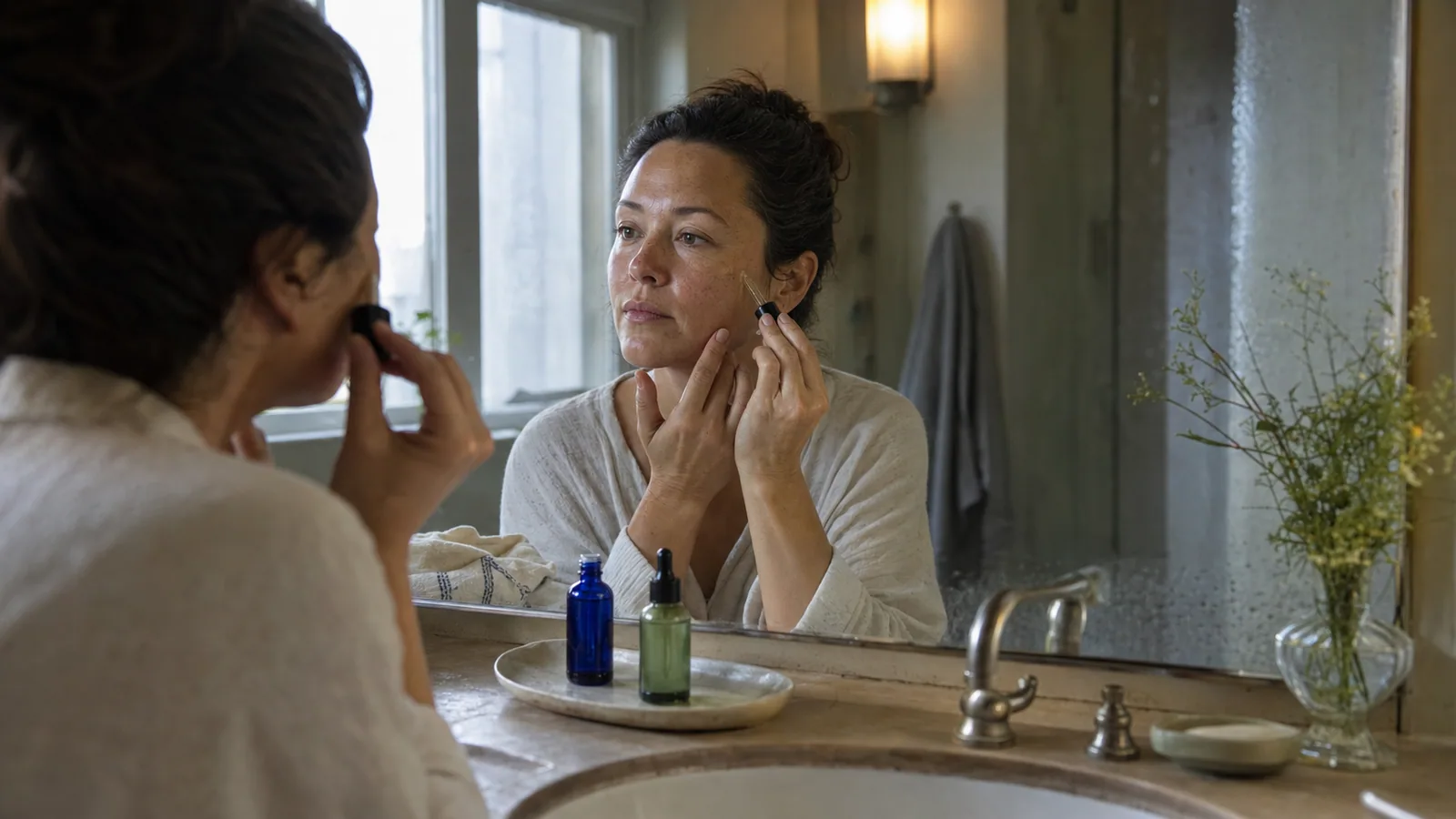
Skincare marketing playbook: Skincare customer applying serum during a natural morning routine

Skincare is bought on a hypothesis: this will suit my skin. Almost everything in marketing a skincare brand traces back to whether that hypothesis held. Did the texture suit the skin type that bought it, did the product find a slot in a routine the customer already keeps, and did the jar run out while they still wanted more? Ads get cheaper once you can answer that per product.

This playbook is written for Shopify beauty and skincare brands: actives-led ranges, sensitive-skin lines, and clean formulations alike. It covers the survey questions that catch a bad skin match early, the giveaway campaigns that build an audience without promising anyone results, and the replenishment timing that turns one jar into a habit.

Everything here works without an account: copy the questions, run the campaigns. When you want the answers tied to real Shopify orders, so skin type breaks down per product and per pack size, Surveys and Contests each install in a few minutes.

James Devonport
Skincare buyers will tell you exactly which claim they came for and which ingredient made them hesitate. Brands that ask before the first bottle ships match products to skin instead of refunding mismatches.
James Devonport · Founder, UserLoop
The reality

What actually holds growth back

A bad skin match costs more than a bad size

There is no try-on for skincare. A reactive-skinned buyer who orders the wrong strength of acid stops using it in week two, blames the formula, and writes the review that costs you the next hundred orders. The mismatch happens at the moment of choosing, so that is where the question belongs, not in a review request a month later.

You cannot sell on results, and you should not try

Claims about what a product will do to skin are restricted by advertising rules and by platform policy, and outcome-led copy sets an expectation skin does not always meet. That pushes the persuasive work somewhere else: texture, ingredient logic, routine fit, and what customers say about living with the product.

Replenishment is the business, and it is invisible

A moisturizer has an empty date. Miss it by three weeks and someone else has already sold the refill. Shopify tells you when the order shipped, not how fast the jar is going, and usage rates vary far more than pack sizes suggest, so a fixed reorder flow is wrong for most of your customers in one direction or the other.

Discovery happens in videos you never see

Skincare spreads through routine videos, derm and esthetician creators, ingredient explainers, and long review threads. None of it clicks through on the day. Last-click credits the branded search a week later, so the seeding budget looks optional while it is quietly doing the selling.

Customer journey

The moments that decide repeat business

What you need to learn

  1. Discover

    Which creators and formats turn into first orders?

    The play: Ask every new customer where they first heard about the product, with options that match how skincare travels: a routine video, a derm or esthetician account, a review thread, a friend.

    Surveys
  2. First order

    Is this product right for the skin that bought it?

    The play: Skin type and sensitivity questions on the order confirmation page tell you whether the match holds while there is still time to slip usage guidance into the parcel.

    Surveys
  3. First routine

    Did it find a slot in a routine they actually keep?

    The play: An email survey two weeks after delivery asks where it sits, morning or night, and how the texture wears. Routine slot predicts repurchase better than a satisfaction score does.

    Surveys
  4. Repeat

    What brings a one-product customer back for the range?

    The play: An early-access giveaway for the next launch gives single-product buyers a reason to opt in, and the entry list shows who wants the rest of the routine.

    Contests
  5. Advocate

    Will customers show their shelf to their feed?

    The play: A shelfie contest pays customers in product for the routine content your ads and product pages need, judged on styling rather than on skin.

    Contests
Survey plays

What to ask, and when it pays

1

Skin type and sensitivity match

When to ask: On the order confirmation page, before the parcel is packed

Two questions tell you whether the product suits the person who bought it. Read the answers per product: an exfoliating acid where a third of buyers report reactive skin needs a patch-test note in the box and clearer strength guidance on the page, not a reformulation. Route the sensitive answers into a gentler onboarding email that starts at twice a week rather than nightly.

Example questions

How would you describe your skin?

Do you react to fragrance or strong actives?

Have you used a product like this before?

Get the full question set
2

Discovery and creator attribution

When to ask: Right after checkout, while the video that sold it is still in mind

Skincare purchases are researched: a routine video, a creator explaining an ingredient, a thread comparing two serums. None of that registers as a click, so the platform report hands the credit to the branded search that follows. Ask, then check the named accounts against your seeding list. Surveys ties each answer to order value, so you can also see which sources send full-routine baskets and which send single-item, discount-code orders.

Example questions

Where did you first hear about this product?

Was there a creator or account that convinced you?

What were you using before this?

Get the full question set
3

Replenishment and routine expansion

When to ask: By email, timed to when the first jar or bottle should be running low

A 50ml moisturizer has a predictable empty date, but usage varies enough that a flat 30-day flow misses in both directions. Ask how quickly they are getting through it and whether they plan to buy again, then set the send window per pack size. The same email is the natural place to learn which step of the routine they still buy elsewhere, which is your next product and your next bundle.

Example questions

How much of it have you used so far?

How likely are you to buy this again when it runs out?

Which step of your routine are you still buying elsewhere?

Get the full question set
Campaign ideas

Giveaways that recruit real customers

Shelfie routine contest

How it works: Customers upload a photo of their shelf or their morning routine with your product in it. Photo upload is the entry action, following on Instagram and referring a friend are bonus entries. Reuse rights sit in the contest rules, so every entry becomes an asset. Judge styling and setup, never skin, and rule out before-and-after images in the terms.

Prize
A full routine set for the winner, restock credit for finalists
Timing
Two weeks, four to six weeks after a launch, once buyers have lived with the product

Next-launch early-access giveaway

How it works: Entry is joining the early-access list for the next formula, with referral and a TikTok follow as bonus actions. Entry volume is a demand read before you commit to a production run, and the list syncs to Klaviyo so launch day opens warm.

Prize
First access to the new product plus a full-size bottle for one winner
Timing
Two to three weeks before a launch, closing when early access opens

Sampling referral giveaway

How it works: Refer a friend is the entry action, with email signup as a bonus, so existing customers put your travel sizes in front of people who already trust their recommendations. Contests verifies each referral and draws the winner, and the entrants export to CSV or sync to Klaviyo.

Prize
Six months of the winner's hero product, discovery sets for runners-up
Timing
Alongside a new size or format, or in the quiet weeks after holiday gifting
The sequence

From install to compounding loop

  1. 1

    Week 1: ask the two questions that decide the match

    Install Surveys and put skin type and discovery on the order confirmation page. Two questions, answered in seconds, while the order is still being picked and guidance can still go in the box.

  2. 2

    Weeks 2 to 4: read the answers per product, not per store

    Once responses build, break them down by product and pack size. Look for the formula whose buyers skew sensitive, and for the creator named far more often than the ad reports admit. Both change what you do next.

  3. 3

    Month 2: fix the education, start the photo engine

    Rewrite usage guidance for the product with the worst match rate, add a patch-test note to the insert, then launch the shelfie contest so content accumulates while the fix beds in.

  4. 4

    Every launch after: list first, formula second

    Run the early-access giveaway ahead of each launch, sell to that list on day one, then survey buyers two weeks in to learn which step of the routine is still missing.

What to measure

The numbers that tell you it is working

Repurchase rate by pack size

The 30ml and the 100ml behave like different products. If the small size never reorders, your pack strategy is losing the customer, not your formula.

Days to second order

Measure it against the empty date of the size you sold. When the median drifts past it, your reorder email is late and someone else has already sold the refill.

Sensitive-skin share per product

The proportion of buyers reporting reactive skin tells you which lines need patch-test guidance in the box, and which review scores are really an onboarding problem.

Self-reported discovery against spend

Skincare is sold in videos that never get clicked. The gap between the accounts customers name and the accounts you pay is the cheapest correction on this page.

Rights-cleared routine photos per campaign

Count publishable assets, not entries. Thirty shelfies you can legally run in ads beat a thousand comment tags you cannot use anywhere.

Worked example

How this plays out

The setup

Take a Shopify skincare brand doing eight hundred orders a month, built around one hero serum, with a strong first order and a thin second one.

The move

It adds skin type and discovery questions at checkout and a routine email two weeks after delivery. The answers show a large share of serum buyers describing their skin as sensitive and never having used an acid before, and a reorder email landing three weeks after most people finish the bottle.

The payoff

The brand adds a start-slow schedule to the insert and the welcome email, splits the reorder flow by pack size, and moves budget toward the two creators customers keep naming. The next launch opens to an early-access list built by giveaway instead of to a cold audience.

From the Shopify App Store
Killer App! Every year it just gets better and better. SUPER responsive team. We've even had the pleasure of talking to the owner numerous times.

MyDermaDream

5-star Shopify App Store review for Surveys, United States

Mistakes to avoid

Protect the quality of the result

Strong execution usually comes from removing ambiguity and keeping every action tied to the original objective.

Marketing the outcome instead of the routine

Promises about how skin will look are restricted by ad policy and set an expectation you cannot control. Sell texture, ingredient logic, and routine slot. Those are things you can describe and a customer can verify for themselves.

One reorder email for every pack size

A 15ml eye cream and a 200ml cleanser empty months apart. A single 30-day flow is early for one and late for the other, and the late one loses the refill.

Running before-and-after contests

Transformation entries invite claims you cannot support, trouble with ad review, and comparison between people's skin. A shelfie or routine-styling contest gets you usable assets with none of that attached.

Collecting the sensitivity answer and ignoring it

If a buyer tells you fragrance is a problem and your next email pushes the most fragranced launch of the year, you have taught them you were not listening. Segment on the answer or do not ask the question.

Frequently asked questions

Practical answers before you launch

What should a skincare brand ask in a post-purchase survey?

Skin type, sensitivity to fragrance or actives, and where they first heard about you. Three questions at checkout. Skin type turns every other answer into a segment, sensitivity catches a bad match while you can still send guidance with the parcel, and discovery corrects the channel budget. Leave routine and reorder questions for email.

How do I market skincare without claiming results?

Move the persuasion onto things you can describe rather than promise: texture, ingredient rationale, where the product sits in a routine, and how customers actually use it. Ask about habits rather than outcomes, and keep contests on styling and shelfies. Copy written that way also survives ad review.

When should I email a skincare customer about reordering?

Work backwards from the pack size, then correct it with the customer's own answer. A few weeks in, ask how fast they are getting through it, and let the reply set the send window per size. One flat 30-day flow arrives weeks late on a cleanser and weeks early on an eye cream, and late is the expensive direction.

Do giveaways work for skincare brands?

They do when the prize is your own product and the entry actions build something you keep. A full routine set attracts people who want to use your formulas, while a cash prize attracts sweepstake accounts. Skip before-and-after mechanics entirely: judge shelfies and routine styling, which gets you publishable content without a word about anyone's skin.

Where do samples and travel sizes fit into acquisition?

They lower the cost of being wrong. A full-size actives serum is a large bet for someone who has never used one, and a mini or a discovery set turns it into a small one. Use survey answers to find which products stall at first purchase, then put those in the sample set instead of guessing.

Keep planning

Related playbooks and templates

Browse the complete library

Turn the plan into a live Shopify campaign

Collect useful customer insight with Surveys and grow your audience with Contests.