

Back to the library
Free planning resourceBuilt for Shopify merchants

Pet store marketing playbook

The buyer is not the user, which changes every question you ask. Survey questions and photo campaigns built for Shopify pet brands, ready to run.

  • Practical examples
  • Implementation checklist
  • No signup required
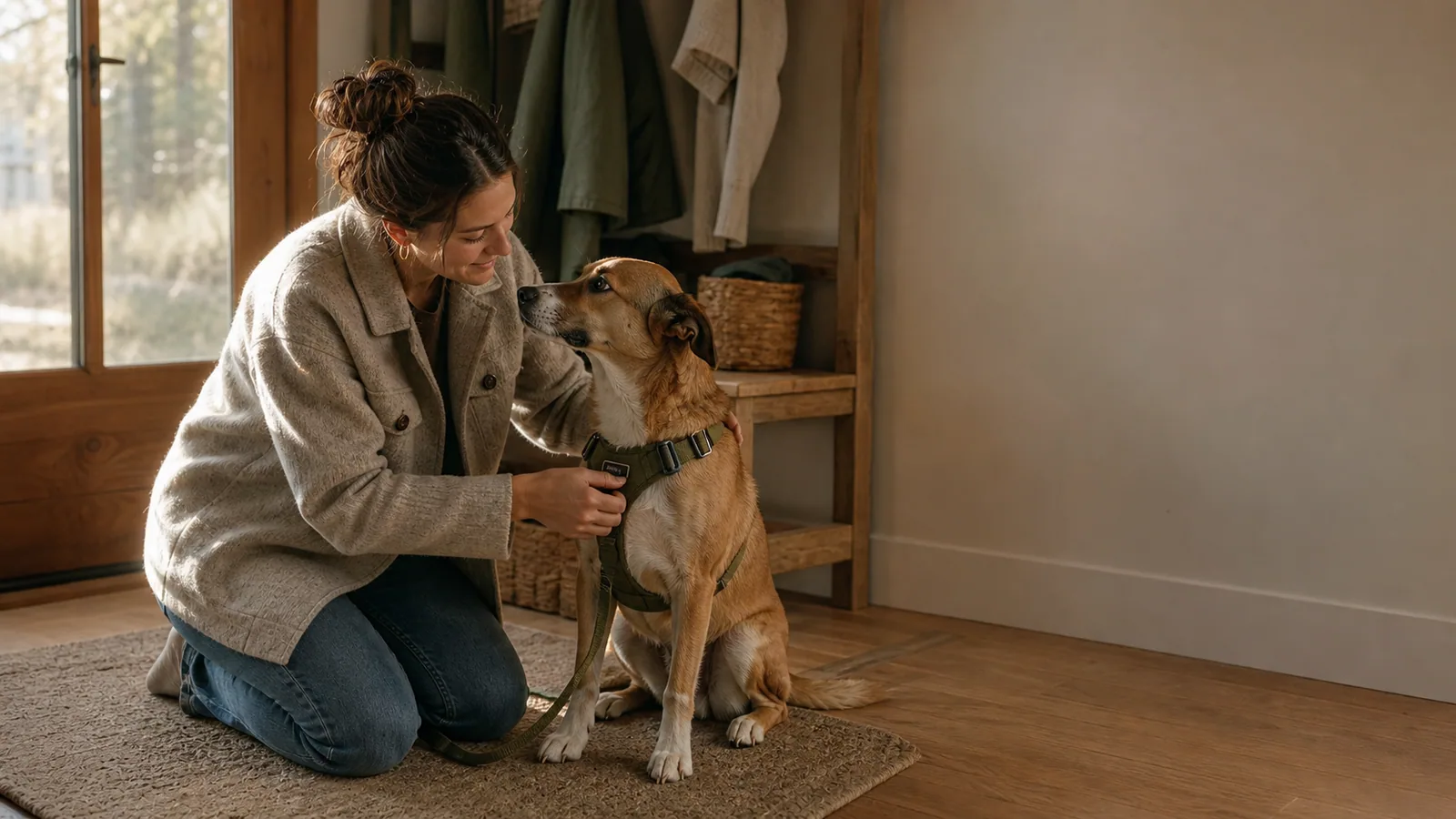
Pet store marketing playbook: pets Shopify merchant lifestyle scene

In almost every other category, the person who pays is the person who uses the product. Pet is the exception. Your customer can tell you what the delivery was like and what they paid, but on the only question that decides a repeat order, whether the animal liked it, they are reporting on somebody else's behavior. Write your questions for that and the answers get sharper immediately.

This playbook is written for Shopify pet brands: food and treats, supplements, toys and chews, beds, litter, and gear. It gives you the survey questions that ask what the animal did instead of how the owner feels, the segmentation that makes your catalog fit the pet in the house, and the photo campaigns owners enter more readily than almost any other audience.

Everything here works without an account. When you want the weight band and the life stage a customer gave you sitting next to what they actually bought, Surveys and Contests each install in a few minutes.

James Devonport
Pet owners answer questions about their dogs faster than most people answer about themselves. Ask what the dog actually did with the toy and you get assortment truth no review section offers.
James Devonport · Founder, UserLoop
The reality

What actually holds growth back

Every satisfaction question is a proxy question

Ask an owner how satisfied they are and you learn about the box, the price, and the courier. The animal did not fill in the survey. Ask instead what the dog did when the bowl went down, or how long the chew survived, and you get an observation rather than an opinion. Behavior is reportable; taste, in this category, is not.

Your assortment depends on facts you never collect

Species, adult weight, life stage, and whether the household has one cat or four. Those facts set portion size, chew strength, harness and bed dimensions, litter volume, and dosing. Without them, every recommendation you make is a guess dressed as a suggestion, and every size upsell is aimed at an animal you have never seen.

Consumables and durables run on opposite clocks

Food, litter, and treats run on replenishment cycles you can predict once you know pack size and household. Toys and chews run on destruction cycles you can only learn by asking how long the last one lasted. One reorder reminder cannot serve both, and sending the food cadence to a toy buyer is how a useful email becomes an unsubscribe.

The recommendation happens where you cannot see it

Vets, groomers, trainers, breeders, rescue centers, and the dog park. Those conversations produce a branded search days later, which analytics files under search, so the channel that actually created the customer never appears in the report. It is also the cheapest channel you have, because a sample box and a business card cost less than a week of bids.

Customer journey

The moments that decide repeat business

What you need to learn

  1. Discover

    Who told them about you: a vet, a trainer, or a feed?

    The play: Ask where they first heard about you, with professional recommendation as its own option rather than buried inside 'other'.

    Surveys
  2. First order

    Which animal is this order actually for?

    The play: On the order confirmation page, collect species, weight band, life stage, and the pet's name. Four taps, and every future recommendation has something to aim at.

    Surveys
  3. First use

    Did the pet accept it, and for how long?

    The play: An email five to seven days after delivery asks what the animal did and how long it lasted, which is a palatability score for food and a durability score for chews.

    Surveys
  4. Repeat

    Who else in their circle owns the same animal?

    The play: A referral giveaway pays owners in product for introductions. Every friend they bring multiplies their entries, so the customer with the biggest walking group does the acquisition.

    Contests
  5. Advocate

    Will owners show the pet using your product?

    The play: A photo contest with photo upload as the entry action. The picture already exists on their phone, and reuse rights in the rules make it yours to publish.

    Contests
Survey plays

What to ask, and when it pays

1

What the animal actually did

When to ask: By email, five to seven days after delivery, once the pet has met the product

Give owners behavior to report rather than a feeling to rate: went straight for it, took a while, ate around it, would not go near it. Read the answers by product and by weight band. A treat with a high 'ate around it' share has a palatability problem no discount will fix, and a chew that dies in an evening with large dogs needs a sizing note, not a recall. AI analysis groups what owners typed, which is usually where the specifics live.

Example questions

What did your pet do the first time you offered it?

How long did it last before it was finished or destroyed?

Would your pet choose it over what you fed before?

Get the full question set
2

The pet profile behind the order

When to ask: On the order confirmation page, in three taps, before the customer leaves

Collect the animal once and your emails stop being catalog blasts. You know when a puppy is due to move to adult food, which customers need the next collar size, and how much of your range is wrong for the household you are writing to. It also settles buying arguments: if a third of your buyers own large dogs, your chew strength range and bed sizing are the assortment gap, not your ad spend.

Example questions

What kind of pet is this order for?

How big is your pet?

How old is your pet?

Get the full question set
3

Replenishment timing and quiet switching

When to ask: By email, timed to the end of the pack your customer just bought

Pet food customers rarely churn loudly. They switch because a vet advised something else, because a price rose, or because one bag was different from the last. Ask how long a pack lasts in their household and what would make them change brands, then set the reminder to the answer. Compare it against the real gap between orders: when customers reorder later than the pack should last, somebody else is topping them up.

Example questions

How long does one pack usually last in your household?

Where else do you buy food or litter for your pet?

What would make you change brands?

Get the full question set
Campaign ideas

Giveaways that recruit real customers

Pet photo contest

How it works: Photo upload is the entry, with an Instagram follow and a referral as bonus actions. The barrier is unusually low here: owners are picking a favorite from a camera roll rather than creating something, which is why this category enters and shares at rates other industries plan for. Reuse rights sit in the rules, so entries become product page and ad assets.

Prize
The winner's usual order refilled, plus their pet featured across your channels for the month
Timing
Two to three weeks, any month you need photography, and re-run it seasonally without fatigue

Dog park referral giveaway

How it works: Email signup is the entry and the referral is the multiplier, with a stated cap so the draw stays winnable. Pet owners cluster by geography and habit, walking the same route at the same hour, so one enthusiastic customer reaches a dozen people with the same animal and the same problem. Entries sync to Klaviyo as a list you own.

Prize
A month of food and treats sized to the winner's pet, using the weight band they gave you
Timing
Three weeks, timed to when owners are outside together: spring puppy season or the long summer evenings

New pet starter kit giveaway

How it works: An Instagram follow plus tagging another new owner is the entry, with email signup as the bonus action so the audience is one you own. Aim it at the weeks after adoption and rehoming peaks, when a household is choosing every brand it will use for the next decade in the space of a fortnight.

Prize
A first-month kit: food, a chew sized to the breed, a bed, and a bowl
Timing
Two weeks, aligned with a rescue partnership or a local adoption event
The sequence

From install to compounding loop

  1. 1

    Week 1: collect the pet profile at checkout

    Install Surveys and put four questions on the order confirmation page: name, species, weight band, life stage. No typing beyond the name, and every one of them is useful for years.

  2. 2

    Weeks 2 to 4: add the behavior question by email

    Send it five to seven days after delivery, once the animal has met the product. Read the answers by product and by weight band rather than as one store-wide score.

  3. 3

    Month 2: fix the mismatch, then launch the photo contest

    The chew that dies in an evening gets a chew-strength note and a size recommendation. The treat they ate around gets a smaller pack or a different pitch. Then run the photo contest so the pages you just rewrote show animals the right size for the product.

  4. 4

    Every season after: referrals out, replenishment timed

    Run the referral giveaway when owners are outdoors together, and set food and litter reminders from the pack-life answers rather than a fixed thirty days.

What to measure

The numbers that tell you it is working

Acceptance rate by product

The share of owners reporting the animal ate it, used it, or slept on it. It is the closest thing to a direct review the actual user can give you.

Toy lifespan by weight band

Measured in days, not stars. The same chew can be a month of value for one dog and an evening for another, and the gap is a sizing guide waiting to be published.

Days between food or litter orders

Compare the real gap with what customers said a pack lasts. When the order arrives later than the pack should have run out, someone else is filling the difference.

Share of customers with a pet profile

The percentage of your list where you know species, weight, and life stage. Every recommendation and every size upsell is limited by this number.

Professional recommendation share

How often a vet, groomer, trainer, or rescue is named as the source. It never shows up in last-click reporting, and it is the cheapest partnership list you can build.

Worked example

How this plays out

The setup

Take a dog treat and chew brand doing a few thousand orders a month, with strong reviews on treats and a steady trickle of complaints about one chew.

The move

It adds the pet profile at checkout and the behavior question by email. Two months in, the chew's lifespan splits cleanly by weight band: it lasts weeks with small dogs and an evening with large ones. A fifth of new customers also name a groomer or a trainer as the source.

The payoff

The brand publishes a chew-strength guide, recommends the chew by weight rather than by breed name, and stops emailing the small size to large-dog households. It sends sample boxes to the groomers customers keep naming, and runs a photo contest so the product pages show dogs the size the chew was made for.

Mistakes to avoid

Protect the quality of the result

Strong execution usually comes from removing ambiguity and keeping every action tied to the original objective.

Asking the owner for a score the pet cannot give

Satisfaction ratings in pet measure the delivery experience. Ask what the animal did instead, and the answer turns into a product decision rather than a number on a dashboard.

Treating a house cat and a large dog as one customer

Portion, chew strength, bed dimensions, and dosing all follow from weight and life stage. Without those facts, personalization is just your best-seller list with a name on top.

One reorder reminder for food and for toys

Food empties on a schedule and toys die on an event. Send the same cadence to both and half your list gets an email about something they already have.

Collecting the pet's name and never using it

It is the one personal detail customers enjoy giving you. An email that names the dog gets opened, and a photo contest entry with the name attached is easier to publish.

Frequently asked questions

Practical answers before you launch

What should a pet brand ask in a post-purchase survey?

Behavior first. Ask what the animal did the first time it was offered: went straight for it, ate around it, ignored it, destroyed it in an evening. Then collect species, weight, and life stage, which decide portion, chew strength, and sizing. Owner satisfaction can only rate the delivery, so it comes last if it comes at all.

How should I segment pet customers?

By species, weight band, and life stage, because those three facts drive almost every recommendation you will make. Portion size, chew strength, collar and bed dimensions, and supplement dosing all follow from them. Shopify stores the shipping address; only a survey stores the animal, and one question each is enough to collect all three.

Why do photo contests work so well for pet brands?

Because the photo already exists. Owners photograph their pets daily, so entering means choosing a favorite rather than staging a shoot, which is why entry and share rates in this category outrun most others. Photo upload is the entry action, reuse rights sit in the contest rules, and the result is a library of real animals using your product.

How do I know whether a toy is durable enough?

Measure it in days and read it by size of dog. Ask how long the toy lasted, then cross the answers with the weight band you collected at checkout. A chew that survives weeks with a small dog and an evening with a large one is not a bad product, it is a mis-sized one, and the fix is a chew-strength note on the page rather than a reformulation.

How do I get more repeat orders on food and litter?

Ask how long one pack lasts in that household, then time the reminder to the answer instead of to a fixed month. A multi-pet home empties a bag in half the time a single-pet home does, and a reminder that arrives late is a bag bought at the supermarket. Collect the pet's name at the same time and use it in the email.

Keep planning

Related playbooks and templates

Browse the complete library

Turn the plan into a live Shopify campaign

Collect useful customer insight with Surveys and grow your audience with Contests.